Forgotten ’60s celebrities who were once household names
Before the Beatles landed at JFK in February 1964, American teenagers already had their idols. They had faces on magazine covers, songs on transistor radios, fan clubs with actual mailing addresses. Then four young men from Liverpool walked off a plane and the whole ranking system collapsed inside of a week. The names below were enormous. Genuinely enormous. Most people under 60 have never heard of any of them.
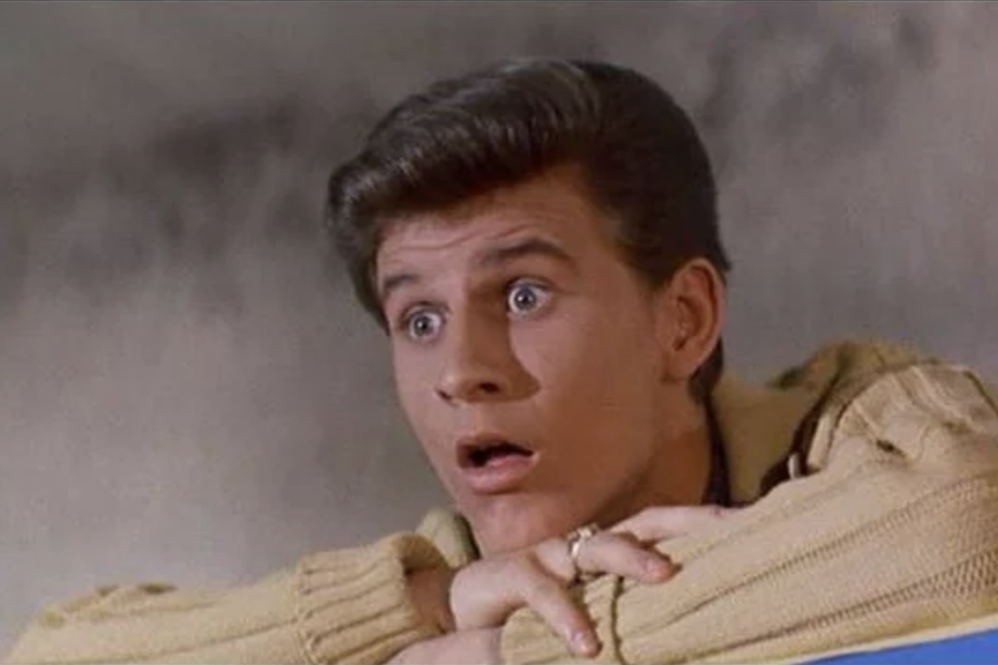
Edd “Kookie” Byrnes and his comb
Nobody in television history made combing a hairdo look like an act of rebellion. Byrnes played Kookie on 77 Sunset Strip starting in 1958 and became such a phenomenon that Warner Bros. released a novelty song with Connie Stevens called “Kookie, Kookie (Lend Me Your Comb)” that reached number four on the Billboard Hot 100. Teenagers plastered his face next to Elvis. Fan mail by the sackful. Then the character became the trap. Nothing he did afterward could shake the pompadour, and by the mid-60s the offers had dried to a trickle. He had a small role in Grease in 1978, which gave him a nostalgic moment. That was about it.
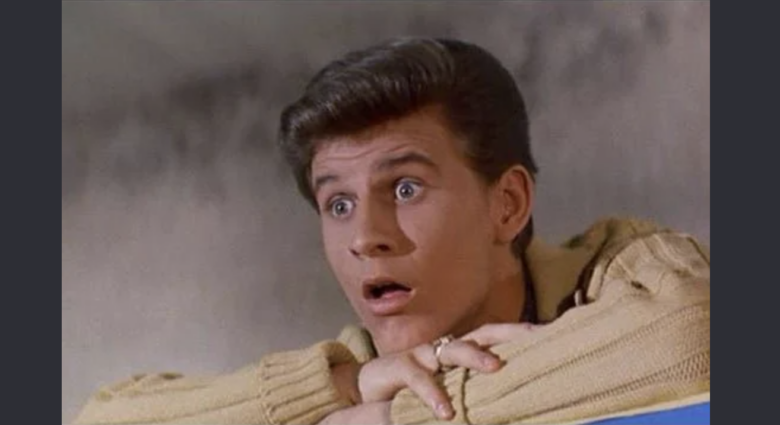
Bobby Rydell, who gave his name to a school
Philadelphia. 34 Hot 100 singles. “Wild One.” “Volare.” A legitimate multi-year run as one of the biggest pop names in the country. Rydell High in Grease was named after him; a detail that surprises people every time, because almost nobody connects the school name to an actual person. He kept touring into his seventies as part of a nostalgia package with Frankie Avalon and Fabian. Good career. Just not the one 1962 suggested.
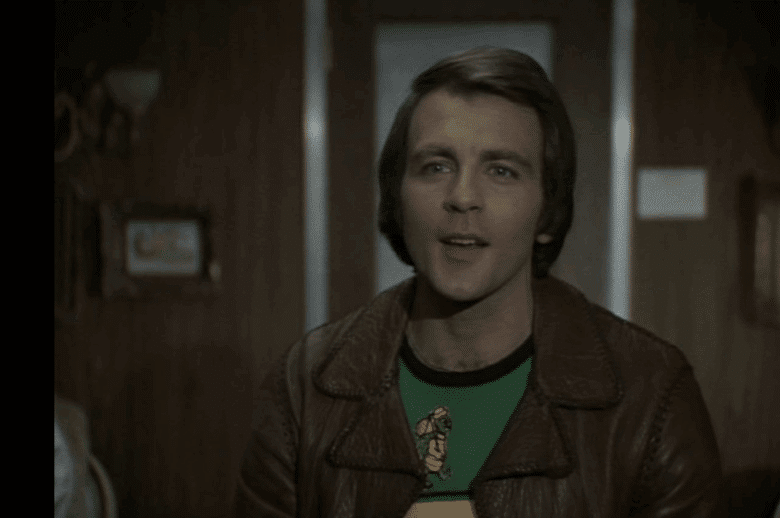
Fabian, discovered on a doorstep
Literally discovered sitting on his front step in Philadelphia at age 14, which tells you something about how the industry worked then. His biggest hit, “Tiger,” reached number three; critics spent years arguing he could not actually sing, and he sold millions of Tiger Beat covers anyway. The face was the point. When the British Invasion arrived with a different idea of what a face should look like, Fabian’s version of teen-idol perfection had nowhere left to go.
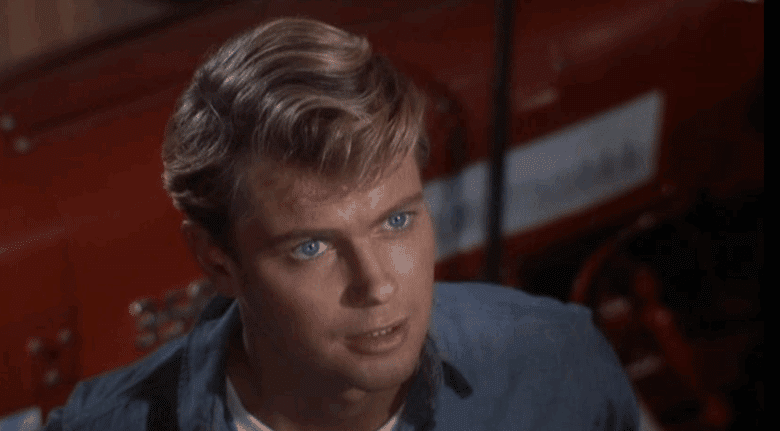
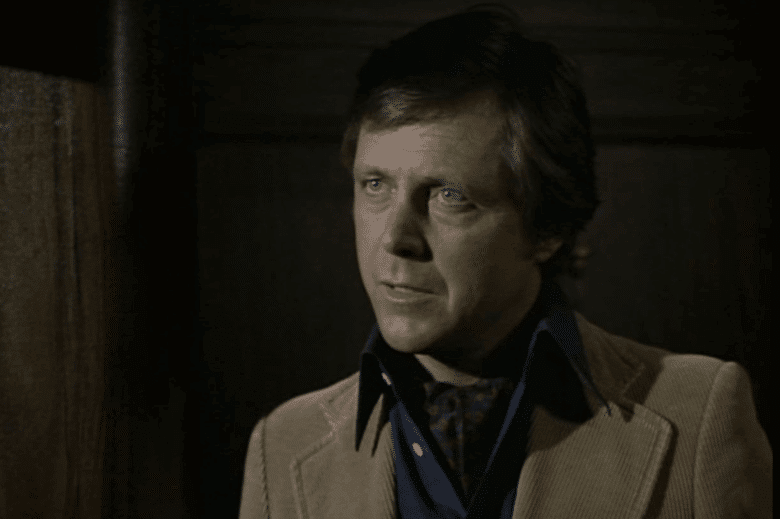
Troy Donahue, the Warner Bros. product
Carefully built by the studio system. Blond. Jawline. A Summer Place. Warner Bros. groomed him for romantic drama the way Detroit assembled cars. For a few years it worked. Then tastes shifted toward something grittier and the machine that built him had no plan for that. He worked for decades more in small roles. None of it touched the early-60s peak. He later said he had been more a product than a person during those years. He was not wrong.
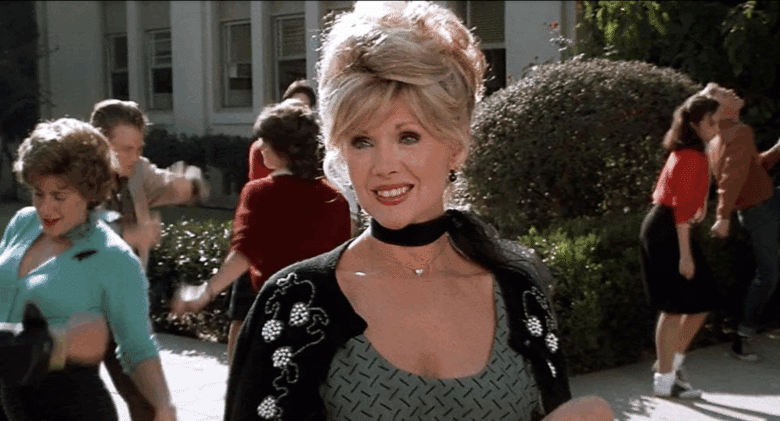
Connie Stevens on Hawaiian Eye
Two seasons on a Warner Bros. detective show. Pop duets with Edd Byrnes. A top three hit, “Sixteen Reasons,” in 1960. Regular magazine covers throughout the early part of the decade. Stevens kept working in television and Las Vegas long after her teen-idol years, which separates her from some of the others on this list. Still, the level of fame she had in 1960 and 1961 never returned. That particular saturation was a one-time thing.

The bottom line
The British Invasion did not kill these careers one by one. It rearranged the entire framework. What counted as cool, what counted as handsome, what a pop star was supposed to sound like (all of it shifted in about six months). The names above had the misfortune of being enormous at exactly the wrong time. Some of them have taken that more philosophically than others.
Ask us! What questions do you have about content, strategy, pop culture, lifestyle, wellness, history or more? We may use your question in an upcoming article!
Related:
- 10 feel-good movies to watch when you need a break
- The most controversial songs of the ’60s: Do you agree?
Like MediaFeed’s content? Be sure to follow us.
This article was syndicated by MediaFeed.co.