
Household chores you’re actually doing completely backward
Plenty of cleaning habits feel intuitive until someone points out that the sequence matters. Do the steps in the wrong order and the exact same effort produces a noticeably worse result. Sometimes creating more work than the chore started with in the first place.
Professional cleaners keep flagging the same recurring sequence errors, habits that feel logical in the moment but actively work against the goal.

Vacuuming before dusting
Dust settles downward, always, eventually. Vacuum a room first and every surface dusted afterward just sends a fresh layer right back onto the floor that was supposedly already clean. The correct order runs top to bottom: dust high surfaces first, vacuum last, so the floor actually catches everything that fell during the process instead of getting re-dirtied immediately.
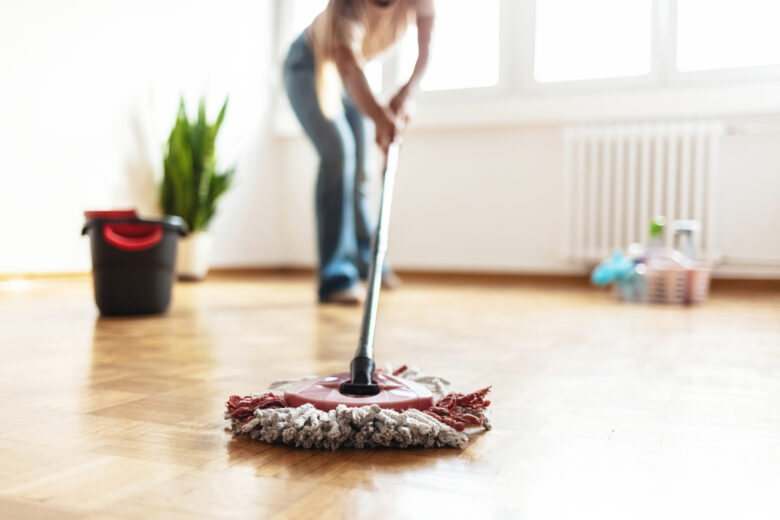
Mopping before sweeping
Wet streaks. Smeared dirt and hair. That’s what mopping over loose debris produces, doubling the work. Cleaning professionals are consistent on the fix: sweep, dust mop, or vacuum first. Clear the large debris. Then, and only then, water touches the floor.

Cleaning windows on a sunny day
What actually causes streaky glass? Not bad technique, usually. Direct sunlight, drying the cleaner too fast before a cloth even gets the chance to wipe it away. One cleaning expert put it plainly: the product hits the glass and dries almost instantly once the sun’s involved. The fix is almost embarrassingly simple. Pick the dullest, most overcast day available. Not the brightest one.
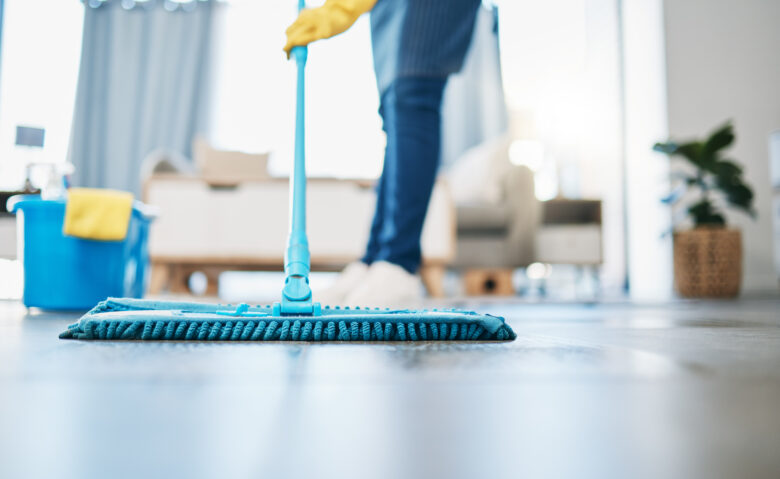
Cleaning the floors before the furniture
Wiping tables. Counters. Shelves. All of it knocks crumbs and dust straight down onto the floor below. Clean the floor first and that same floor needs redoing almost immediately. One direction only, top of the room down to the baseboards, floor last, every single time. No exceptions to that order, none.

Dusting with random, back-and-forth motions
Scrubbing dust in every direction just scatters particles back into the air. Doesn’t capture anything, really. Single swipes work better, one consistent direction, left to right and nowhere else. A microfiber cloth built specifically to trap particles rather than push them around a room.
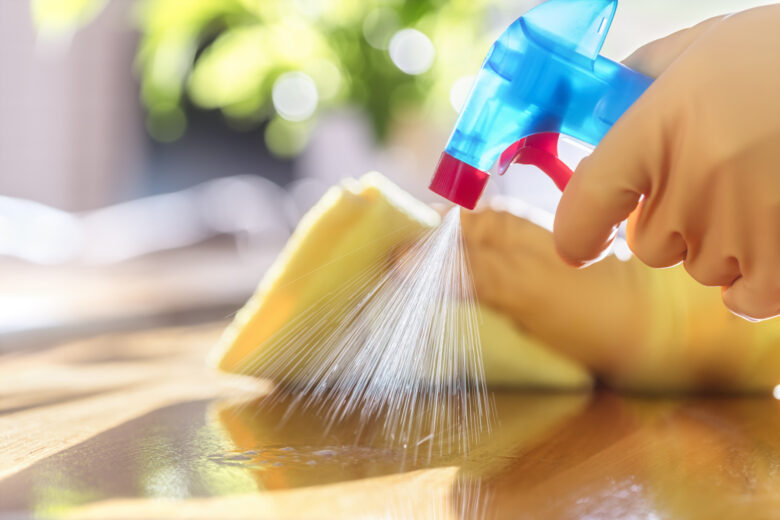
Spraying cleaner directly onto the surface
That satisfying spritz-and-wipe motion. Feels productive. Causes real buildup over time, regardless, on countertops, furniture, glass, a greasy film that gets harder to remove the longer it sits unnoticed. Spray the cloth instead. That residue never gets the chance to accumulate in the first place. Small swap. Entirely different outcome.

Making the bed the instant you wake up
Five hundred milliliters. That’s roughly how much moisture the average person sweats out overnight, and pulling the covers up immediately traps it all under the sheets, creating exactly the environment dust mites prefer. Mattress expert Martin Seeley has the fix down to a number: leave the bed unmade for at least 30 minutes after waking. Just enough time for the moisture to actually go somewhere before the sheets get tucked back in.

The bottom line
None of this is about doing more work. It’s about doing the same work in an order that doesn’t quietly undo itself halfway through. Small sequence changes save real time, mostly by eliminating the re-cleaning nobody realizes they’re signing up for.
Ask us! What questions do you have about content, strategy, pop culture, lifestyle, wellness, history or more? We may use your question in an upcoming article!
Related:
- 15 Things Boomers Still Miss About the Way Life Used to Be
- 7 everyday baby boomer habits that are illegal today
Like MediaFeed’s content? Be sure to follow us.
This article was syndicated by MediaFeed.co.