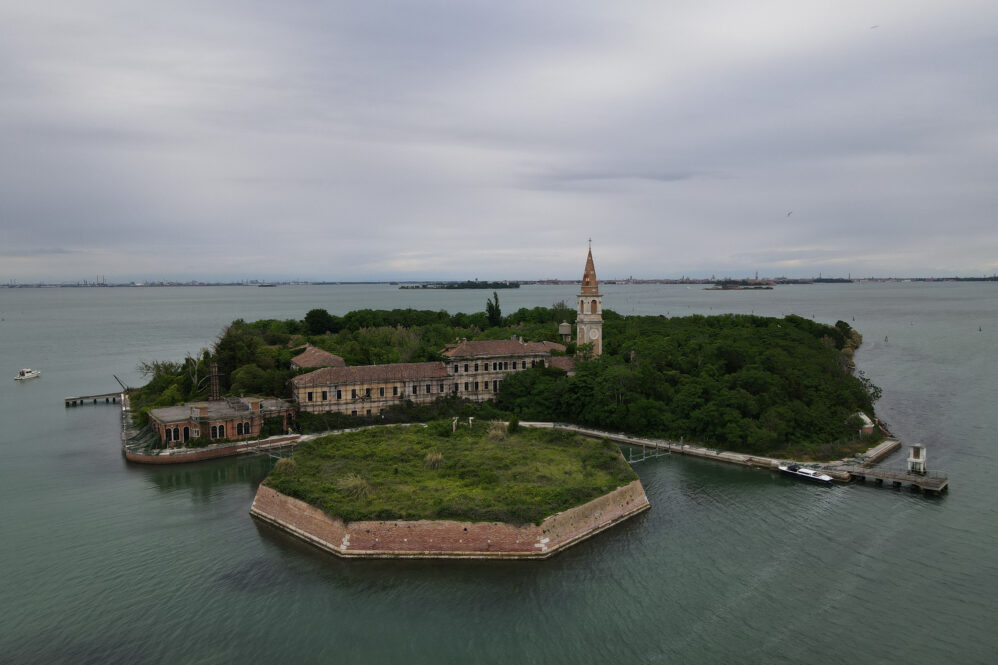
8 eerie abandoned places around the world that scientists refuse to visit
Some places stay empty because nobody bothered building there. Others stay empty for a sharper reason: visiting at all would be a genuinely terrible idea, backed by hard evidence rather than superstition.
The reasons behind these restrictions turn out to be remarkably consistent. Radiation. Venom. Isolated communities that never asked to be found. Eight places even scientists approach with real caution, if they approach at all.
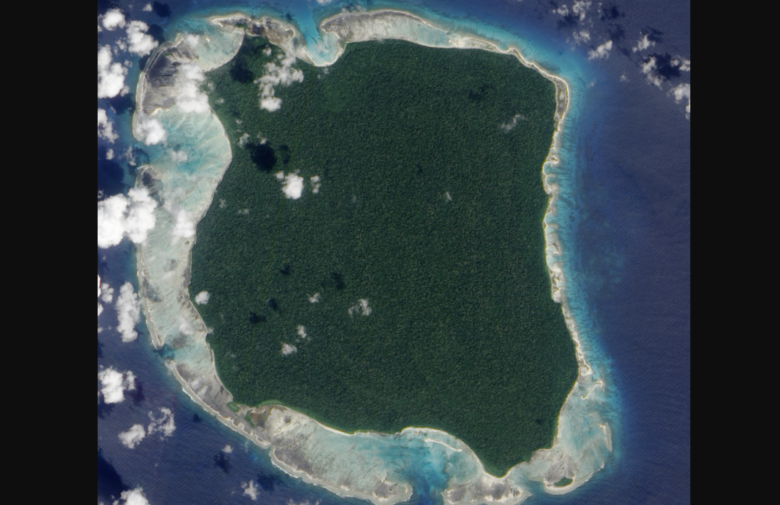
North Sentinel Island, India
What happens when a people spends tens of thousands of years actively rejecting contact? This is roughly the answer. The Sentinelese have maintained that isolation the entire time, and India enforces a strict exclusion zone specifically to prevent disease transmission, since the tribe carries no immunity to illnesses common everywhere else. Past contact attempts have ended violently. Both directions.
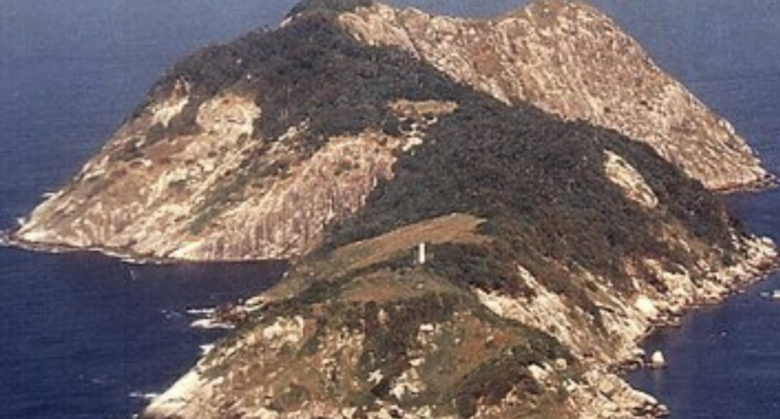
Ilha da Queimada Grande, Brazil
Snake Island. The name undersells it, honestly. One to five golden lancehead vipers per square meter in some spots, by certain estimates, a density severe enough that Brazil restricts nearly all access outright, no exceptions handed out casually.
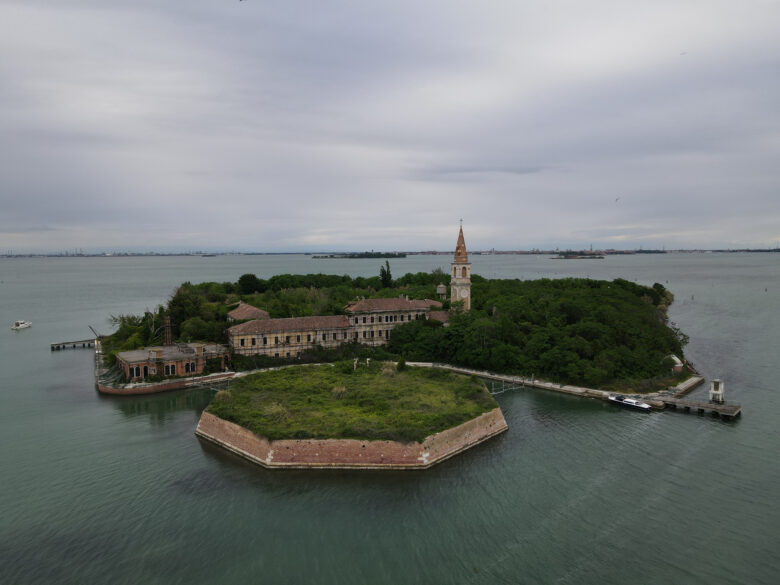
Poveglia Island, Italy
A plague quarantine station, starting in 1793. Bodies accumulated for decades, so many that up to half the island’s soil is believed to contain human remains today. A mental asylum came later, deepening an already grim reputation before the whole island was abandoned in 1968.
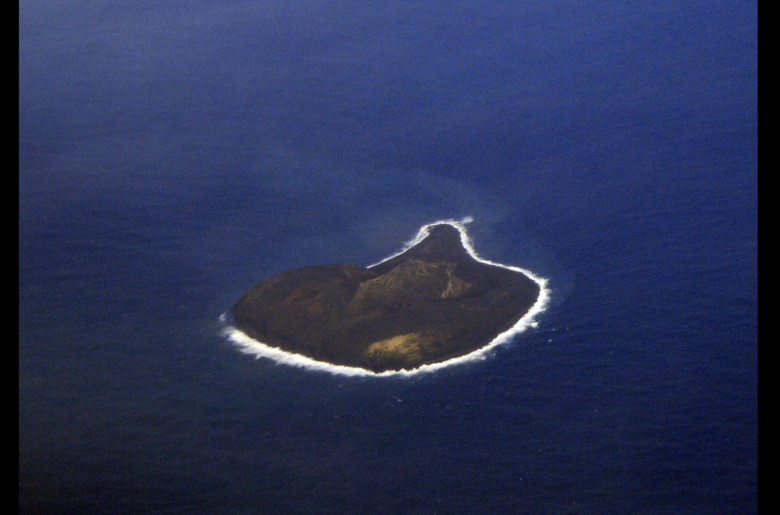
Surtsey Island, Iceland
An undersea volcanic eruption handed scientists a blank slate in 1963, brand-new land to watch life colonize in real time. Access stays restricted almost entirely to approved researchers, and that protection gets enforced seriously. A stray tomato plant, sprouted from an unauthorized visitor’s leftover seeds, was destroyed on the spot to keep the whole experiment untainted.
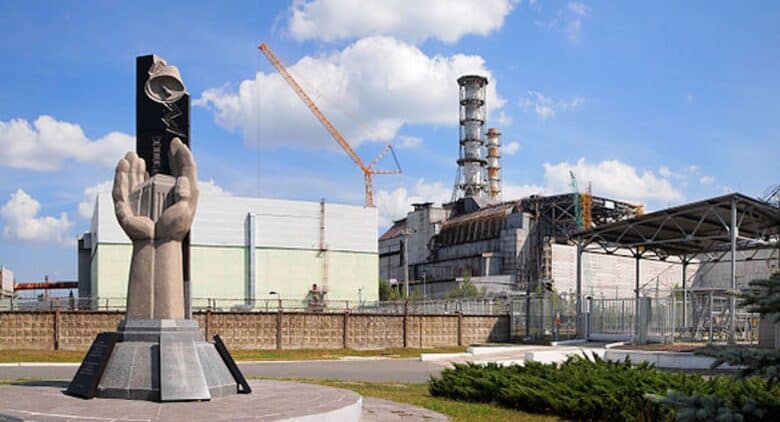
The Red Forest, Chernobyl Exclusion Zone
The pines closest to the failed reactor absorbed radiation so intense they turned rust-red and died almost overnight in 1986. Levels there still run dramatically higher than the rest of the exclusion zone. Researchers who study it do so briefly. Monitored. Geared up. Never casually.
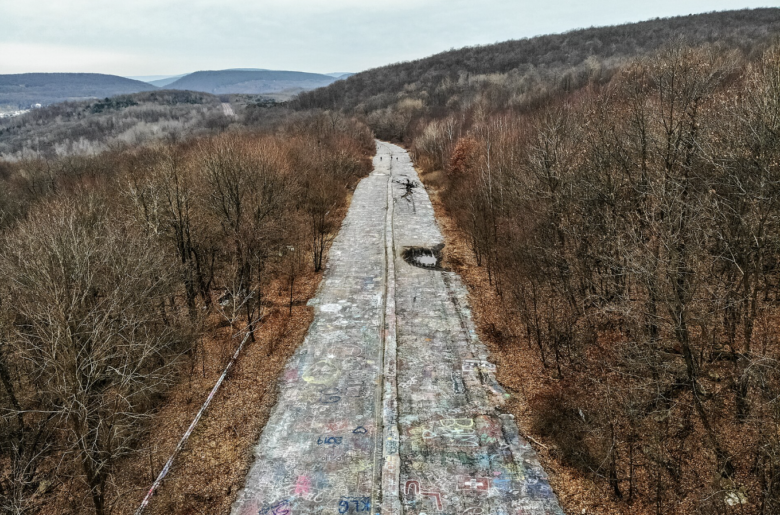
Centralia, Pennsylvania
An underground coal seam fire has been burning since 1962. Still burning. Core temperatures have pushed past 1,000 degrees Fahrenheit, lethal gases have seeped through ground cracks for decades, and the town that once sat above it is almost entirely gone, evacuated out from under itself one household at a time.
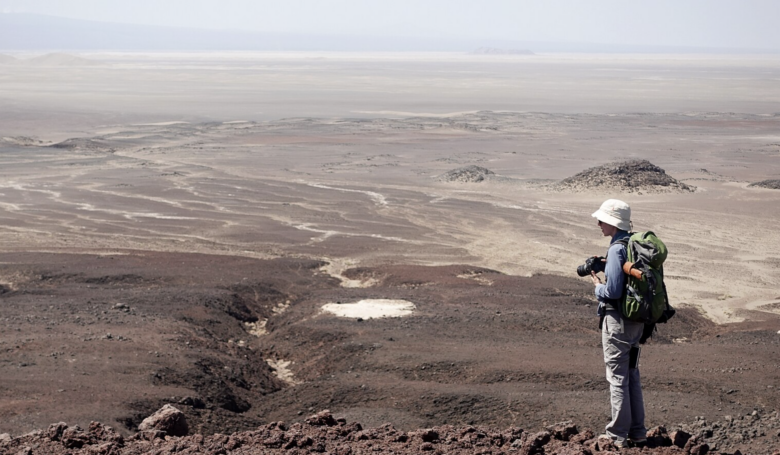
The Danakil Depression, Ethiopia
Hydrothermal pools near pH zero. Air thick enough with toxic gas that researchers wear gas masks just to work a few hours at a time. Scientists do study it, drawn by how closely it resembles conditions on Mars, but only in short, carefully protected expeditions. Never casual visits.
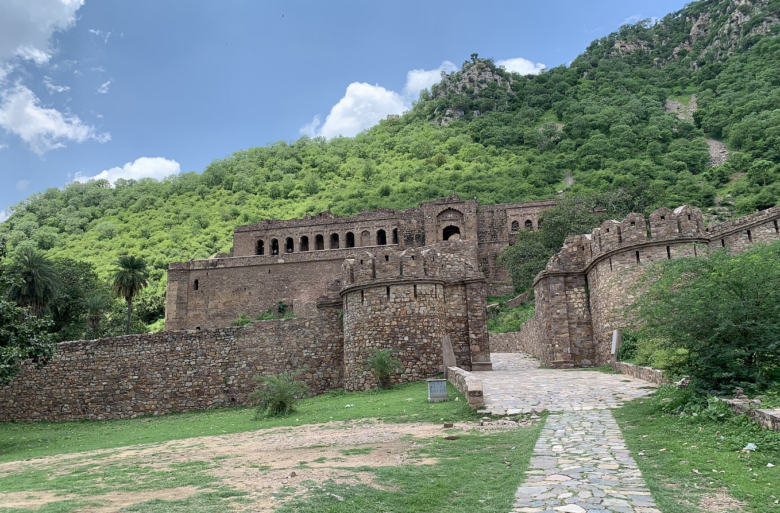
Bhangarh Fort, India
A 17th-century fort, abandoned for centuries, sitting under a standing government order banning entry after sunset. Local legend blames a curse. Officials have never offered anything more mundane in its place, and that silence alone has kept the fort’s reputation as one of the country’s most avoided ruins fully intact.

The bottom line
Fear explains a few of these restrictions. Hard science and hard law explain the rest. Radiation that doesn’t forgive carelessness. Venom that doesn’t negotiate. Isolated communities that never consented to being studied at all.
Ask us! What questions do you have about content, strategy, pop culture, lifestyle, wellness, history or more? We may use your question in an upcoming article!
Related:
- Historical “discoveries” that turned out to be elaborate hoaxes
- Some of the most surprising record deals in music history
Like MediaFeed’s content? Be sure to follow us.
This article was syndicated by MediaFeed.co.