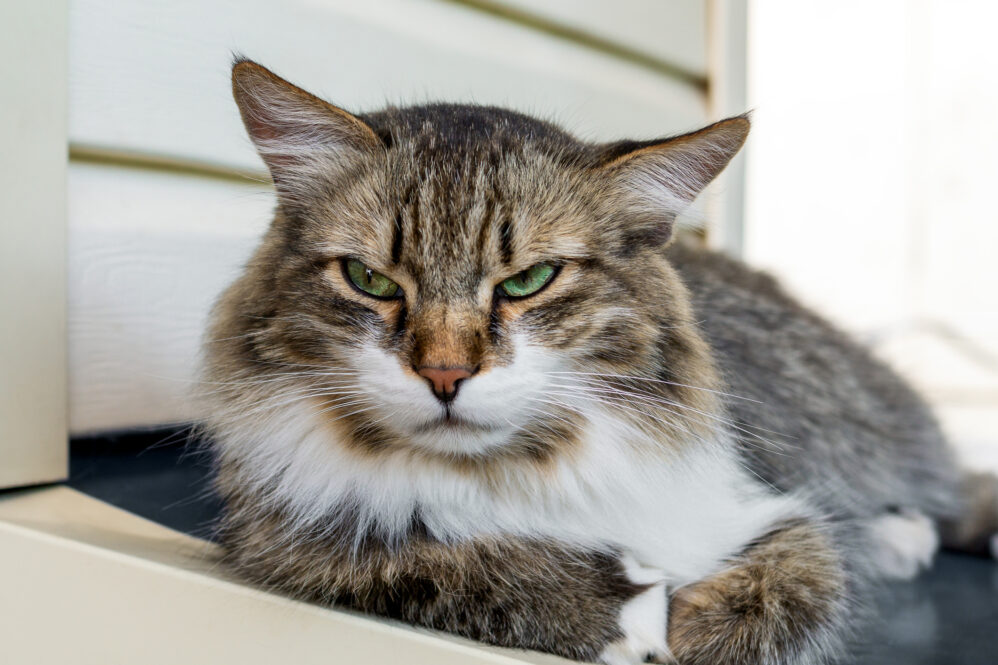
11 things you do that stress out your cat
Cats run on habit, and what unsettles them usually isn’t dramatic. Small, routine changes an owner makes without thinking twice; the kind of thing that reads as completely normal from the human side of the room.
Vets who study feline stress keep circling back to the same overlooked triggers, the ones owners rarely connect to their cat’s actual behavior. Eleven worth reconsidering.
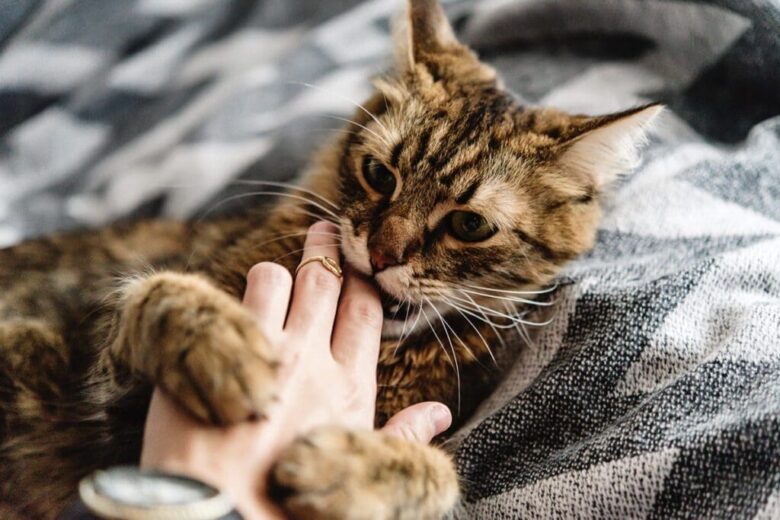
Forcing physical affection
Picking a cat up when it hasn’t asked, or holding it in place for a hug, removes the choice to leave, which is the one thing cats rely on most to feel safe. Being stroked or picked up when it’s not wanted is stressful for cats regardless of how affectionate the intention is. A cat that gets to approach on its own terms behaves completely differently than one that’s been cornered for cuddling.

Punishing with rough handling
Swatting, yelling, physically correcting. All of it instills fear rather than the intended lesson. Veterinary guidelines are consistent about this point. They state that punishment is not recommended and that it frequently makes the underlying problem worse, not better.
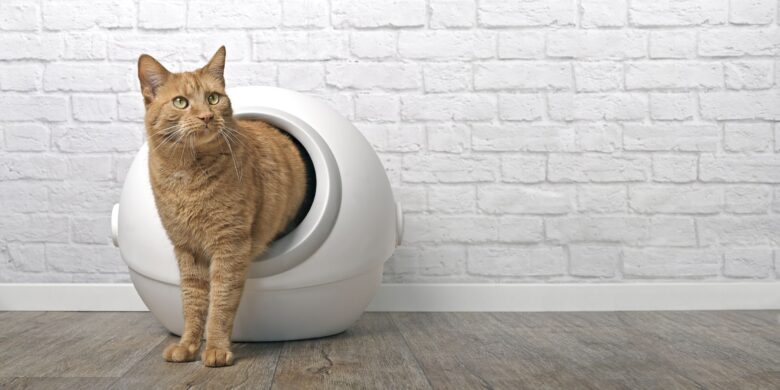
Changing the litter box location without warning
A relocated box, a sudden switch in litter brand, and suddenly there’s avoidance behavior an owner misreads as bad manners. Cats need gradual transitions for anything tied to elimination. Surprises don’t work here.
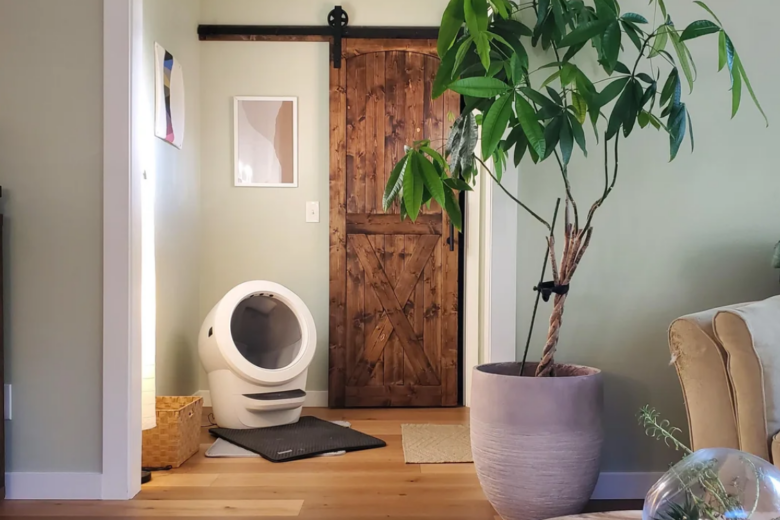
One litter box in a multi-cat household
The rule vets actually recommend: one box per cat, plus one extra. Even cats that seem to get along fine can treat a shared box as contested territory, one cat quietly blocking another’s access just by sitting nearby.
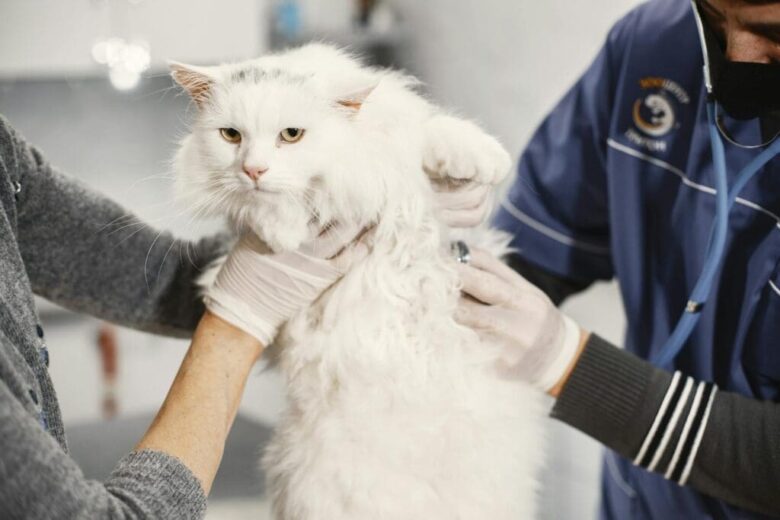
Only bringing out the carrier for vet trips
A carrier that only appears before something stressful eventually becomes its own warning sign. Leave it out as an ordinary household object year-round instead, and that association never forms in the first place.
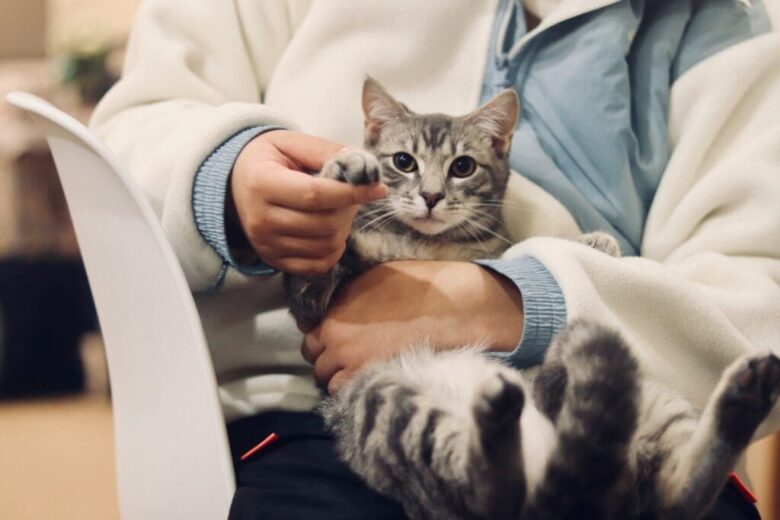
Letting kids chase or pester the cat
Frequent chasing, cornering, general pestering from an overeager child. This ranks among the more common sources of chronic stress in households with cats, and Cornell-affiliated veterinary advice directly links the pattern to hiding and other withdrawal behaviors in otherwise well-adjusted cats.

Feeding on an inconsistent schedule
Cats thrive on predictability, and a feeding time that shifts day to day removes one of the very few things a cat can actually count on in its whole environment, a disruption documented to trigger measurable stress on its own.
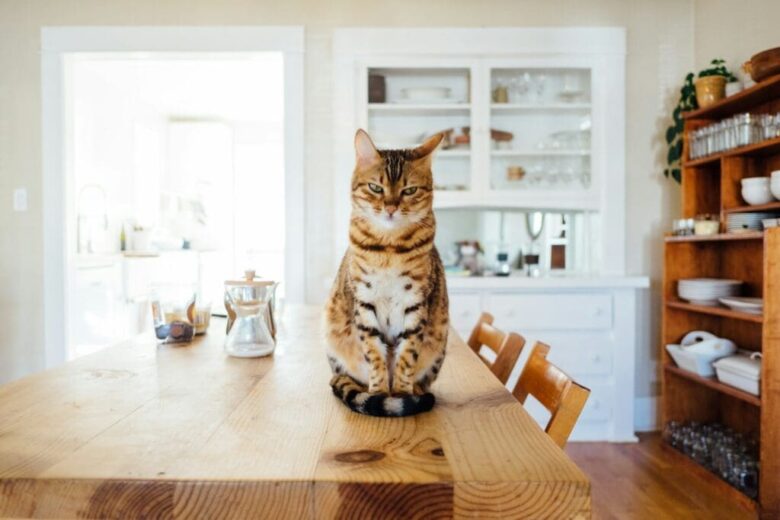
Staring directly at them
Prolonged eye contact reads as a challenge, not affection, even coming from a familiar owner. Cats interpret an unbroken stare as one of the clearest early signals of feline aggression. Small habit. Most people never think to change it.

Introducing new pets too quickly
Skip the scent swapping, skip the gradual introduction, just let animals meet cold. Usually backfires, and a rushed introduction tends to create tension that takes far longer to undo than the shortcut ever saved.
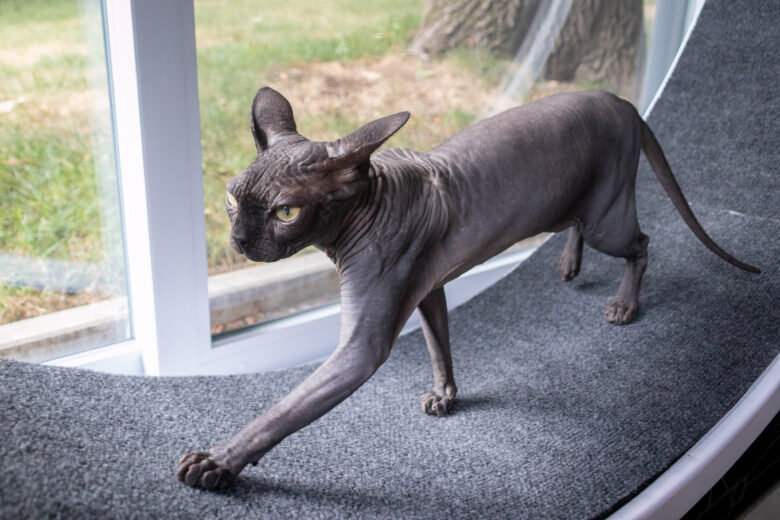
Sudden loud noises near resting spots
Vacuuming, slamming doors, a loud argument near a favorite napping spot. Registers as a real threat rather than background noise, especially near the litter box or feeding area.
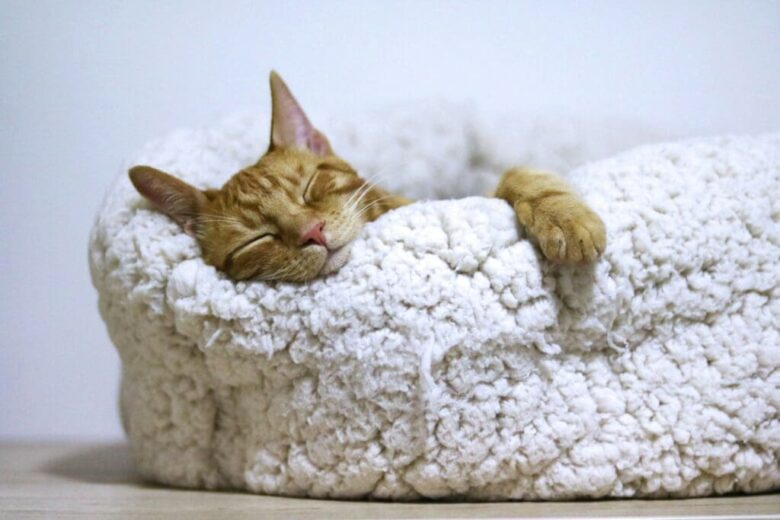
Ignoring the need to hide
A cat under the furniture isn’t being antisocial. It’s coping. Taking away access to a reliable hiding spot removes one of the only stress tools a cat actually has left.
The bottom line
Almost none of this comes from bad intentions. Most of it comes from applying human logic: affection means holding, honesty means eye contact. To an animal, that reads every bit of it completely differently.
Ask us! What questions do you have about content, strategy, pop culture, lifestyle, wellness, history or more? We may use your question in an upcoming article!
Related:
Like MediaFeed’s content? Be sure to follow us.
This article was syndicated by MediaFeed.co.