Classic dashboard features we wish would come back
Dashboards used to have texture. Real switches. Real needles. Surfaces built to be touched, not tapped. Somewhere along the way, most of that got replaced by a single glowing rectangle.
Automotive writers and readers alike have been vocal about the tradeoff. Outlets covering the shift keep running into the same complaints, over and over. Seven dashboard features people still genuinely miss.
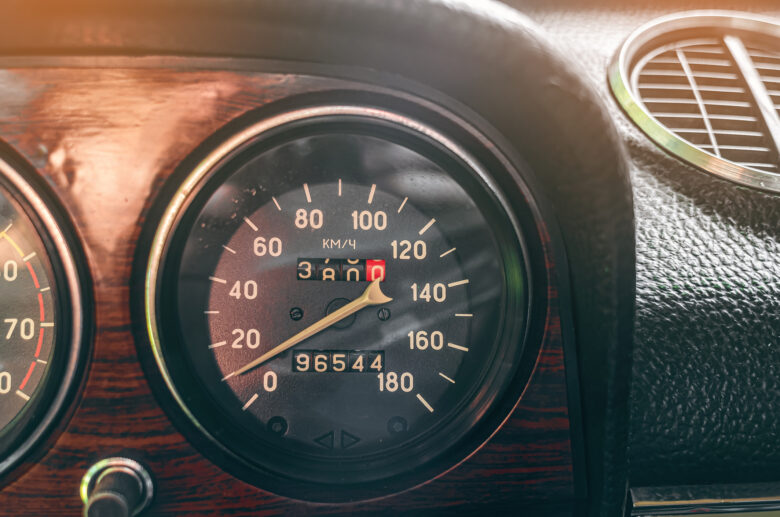
Full analog instrument clusters
A needle sweeping toward the redline gives feedback no digital number quite replicates. One longtime owner put it about as plainly as it gets. Watching an odometer number roll over, literally roll, isn’t the same thing as watching a digit blink to the next value. Not even close, honestly.
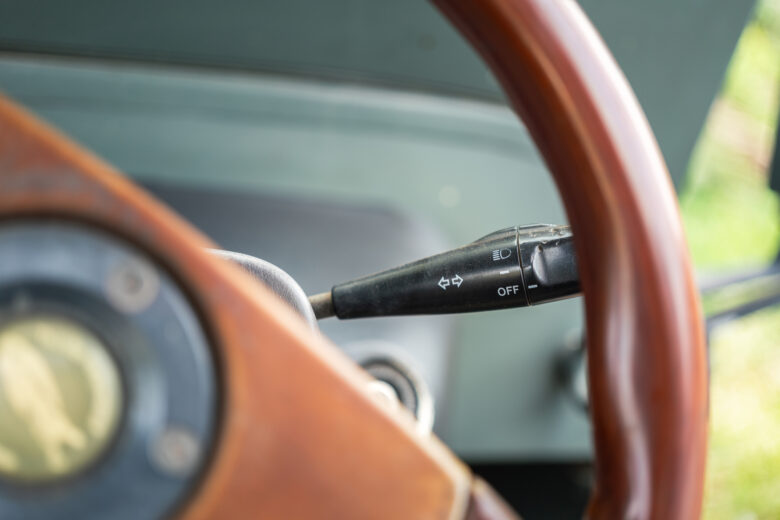
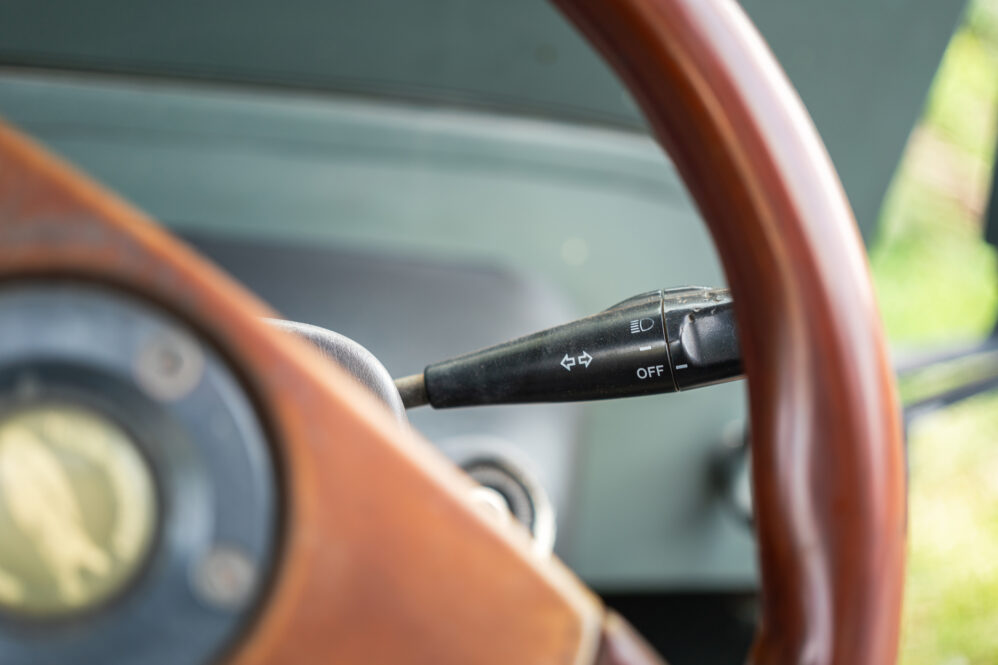
Large tactile toggle switches
Jaguar’s E-Type packed six chrome switches into the dash. Wipers, lights, ventilation, each flipped up or down like something pulled from a Cold War-era cockpit rather than a car. Modern touch panels have never really matched that certainty. That click. You knew it worked.
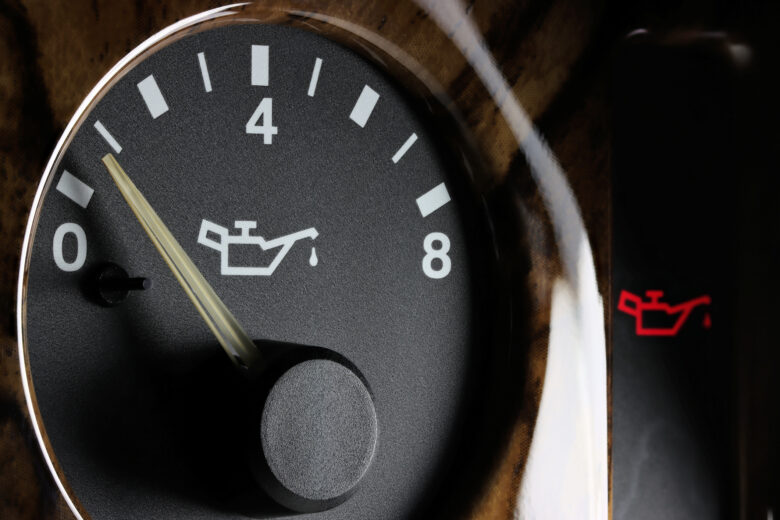
Oil pressure gauges instead of warning lights
A gauge shows a trend developing. A warning light shows a problem that’s already arrived, usually too late to do much about. Enthusiasts still single out the oil pressure gauge specifically, calling it a downgrade dressed up as simplification.
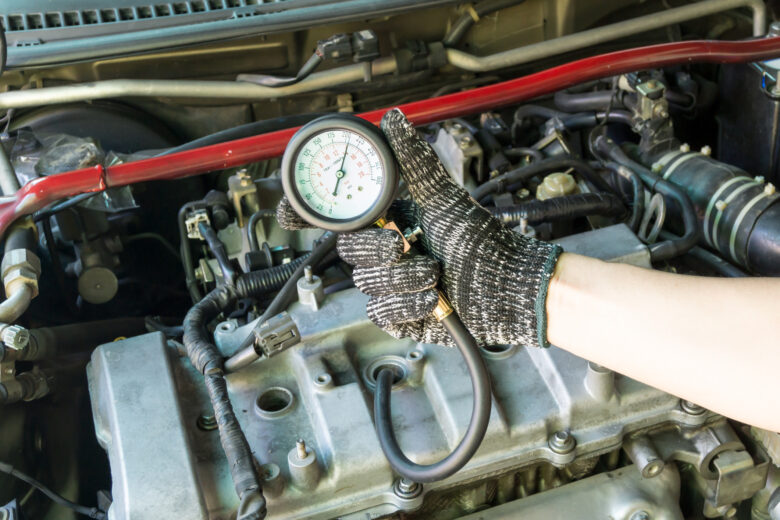
Vacuum gauges
Standard on plenty of muscle cars through the ’60s and ’70s. Real-time feedback on engine efficiency, driving smoothness, the kind most modern dashboards don’t even attempt to display. One owner of a ’67 Barracuda still calls it one of the best features that car ever had. Decades later. Still says it.
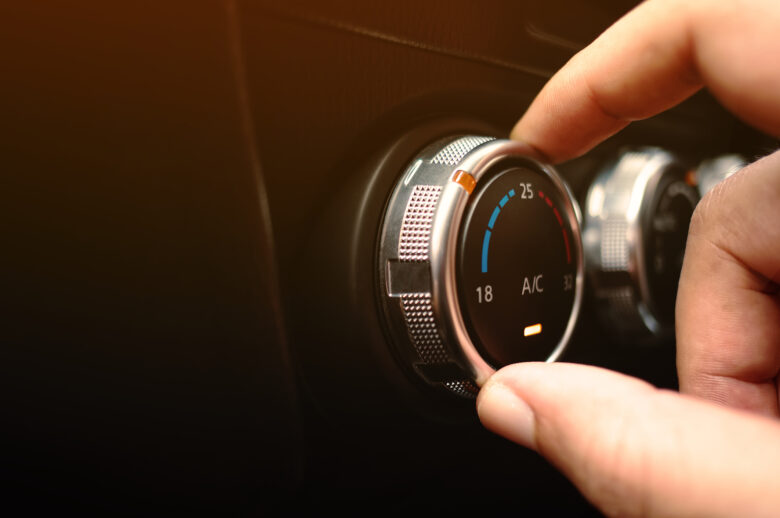
Physical climate control knobs
A knob gets adjusted by feel. Eyes stay on the road. A touchscreen slider, generally, can’t say the same. Readers responding on this exact topic keep ranking knobs and buttons first on the list of what they’d bring back, given the choice.
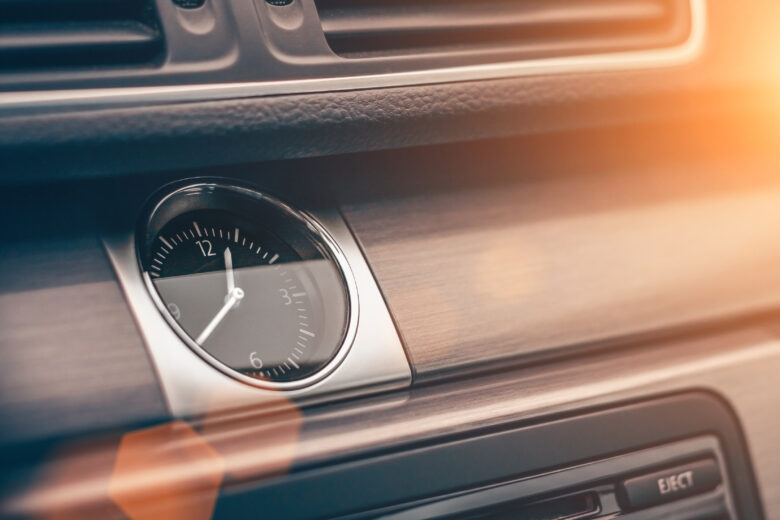
Analog clocks with sweeping hands
Small. Easy to overlook. Genuinely faster to read at a glance than most digital displays, according to research comparing how people actually process analog time versus digital time. A hand position beats parsing a string of numbers, even if the gap is only fractions of a second.
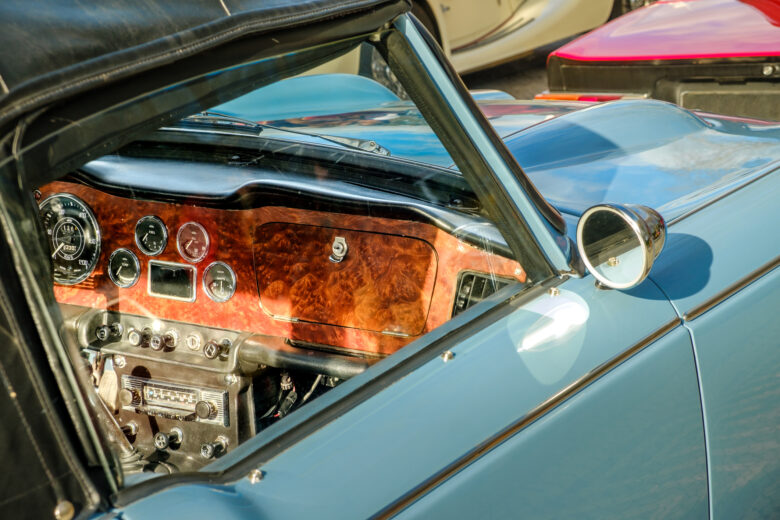
Woodgrain and chrome trim accents
Real wood or a convincing fake, it didn’t matter much. Dashboard trim used to signal craftsmanship in a way molded plastic panels rarely manage now. Design writers looking back at cars like the Ford Zodiac still point to that brightly trimmed, metal-heavy dash as a whole genre that’s simply gone from modern production.
The bottom line
None of these features were more efficient than what replaced them. Not by any measurable standard. What they had instead was character, the kind that came from a physical connection between a driver’s hand and the machine itself. A flat screen still hasn’t figured out how to fake that.
Ask us! What questions do you have about content, strategy, pop culture, lifestyle, wellness, history or more? We may use your question in an upcoming article!
Related:
Like MediaFeed’s content? Be sure to follow us.
This article was syndicated by MediaFeed.co.