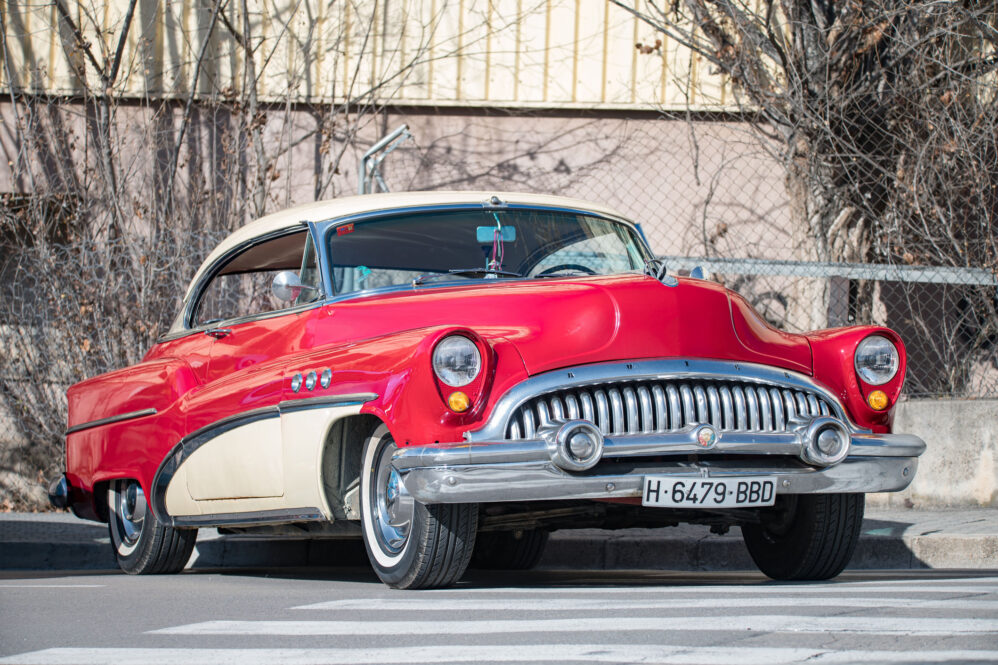
10 car features from the ’90s that vanished, and why we want them back
Cars from the 1990s had personality. Real personality, the kind that survives being described secondhand thirty years later. Modern vehicles, all touchscreens and lane-assist chimes, mostly don’t.
Here are ten features that quietly disappeared, and why each one still gets missed.
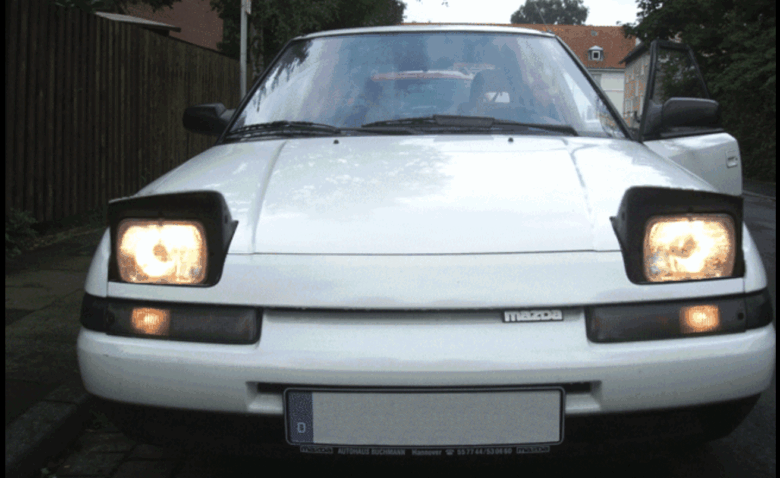
Pop-up headlights
Mazda RX-7. Ferrari F40. Half the cool cars of the era had them, flat and sleek until a switch flipped and the lamps rose up like the car was waking up. Stricter pedestrian safety regulations killed them off by the early 2000s, along with cheaper fixed-lamp tech that made the mechanism pointless to engineer around. Nothing since has matched the theater of it.
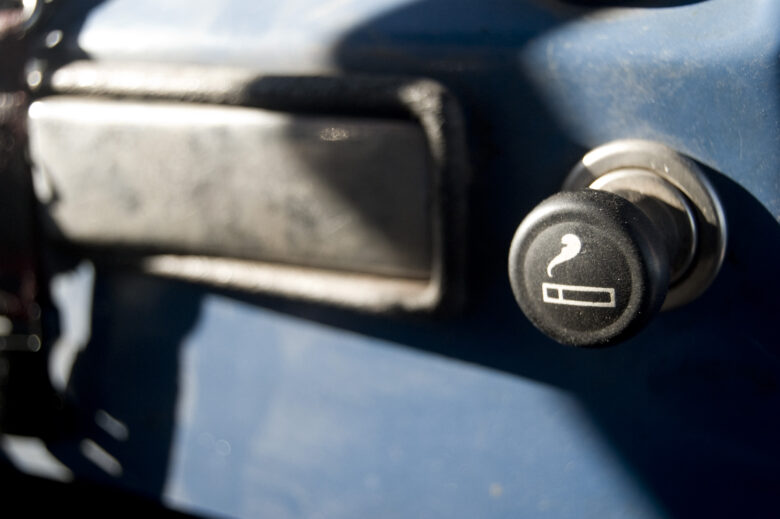
The cigarette lighter and built-in ashtray
Every dashboard had one, whether you smoked or not, because the 12-volt outlet underneath did double duty for flashlights and whatever else needed a charge. Declining smoking rates and a wave of health awareness pushed the ashtray out by decade’s end. The outlet, quietly, survived. It always does.
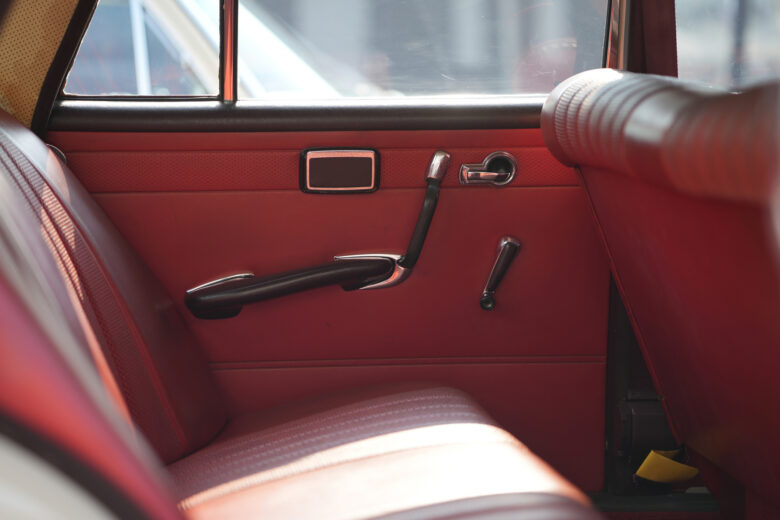
Manual crank windows
Simple. Durable. Immune to the kind of electrical failure that leaves a power window stuck halfway down in the rain. Power windows took over almost universally through the ’90s, and something got lost in that trade, a mechanism that never stops working just because a fuse blows somewhere.
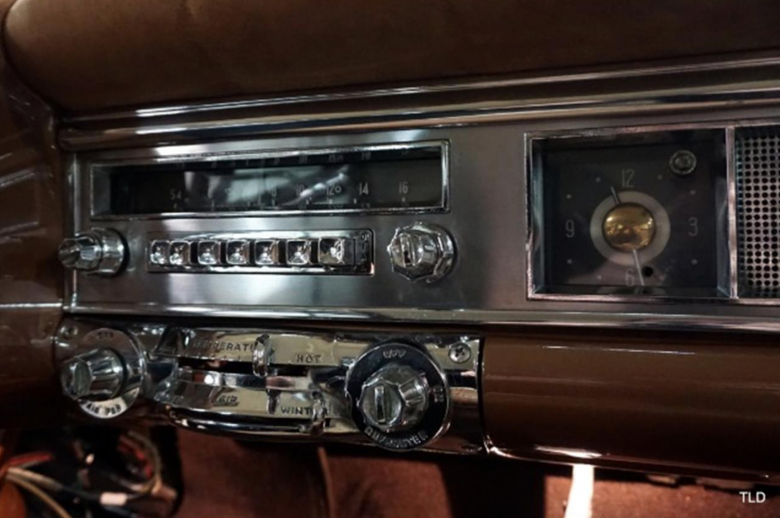
Cassette decks
You built a mixtape. You drove for hours with it. That was the whole ritual before CDs, then Bluetooth, then streaming made tape gradually irrelevant. Rewinding to catch the start of a favorite song mid-drive is a specific kind of nostalgia nobody under thirty will ever have.
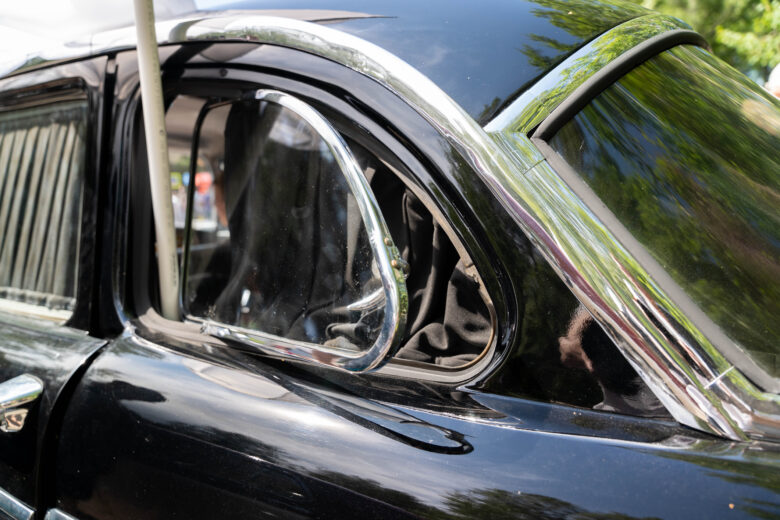
Vent windows
Small, pivoting panes near the front pillar let you angle in fresh air without lowering the whole window or eating wind noise for the entire trip. Air conditioning made them technically unnecessary, sure, but there was something satisfying about controlling airflow with one twist of the wrist.
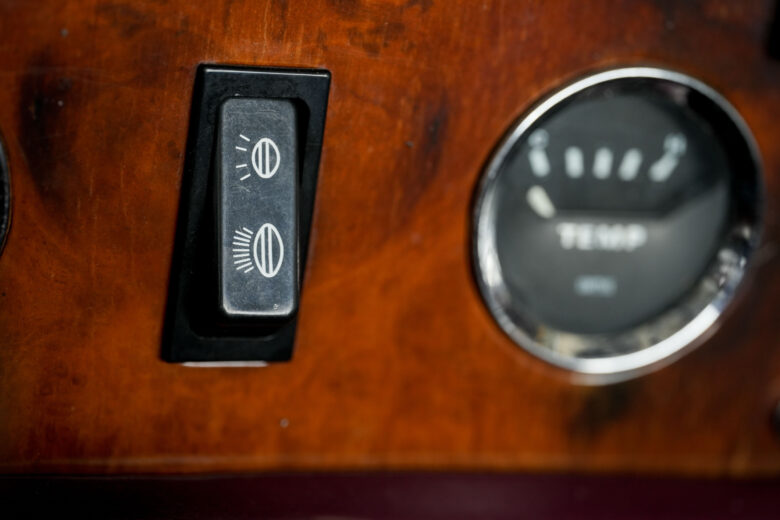
Floor-mounted headlight dimmer switches
A foot-press switch for high beams, positioned so your hands never left the wheel. Steering column stalks eventually replaced it, trading a small physical ritual for a lever nobody thinks about twice.
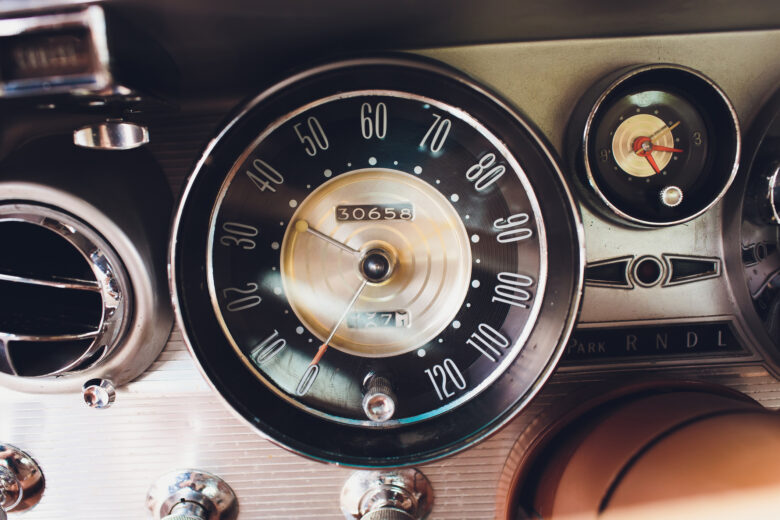
Mechanical, rotating-drum odometers
Numbers clicking over one at a time. There was something almost tactile about watching mileage accumulate that a digital display just can’t replicate. Digital eventually won out for accuracy and tamper resistance, and fair enough, but the drum odometer had a charm the screen never picked up.
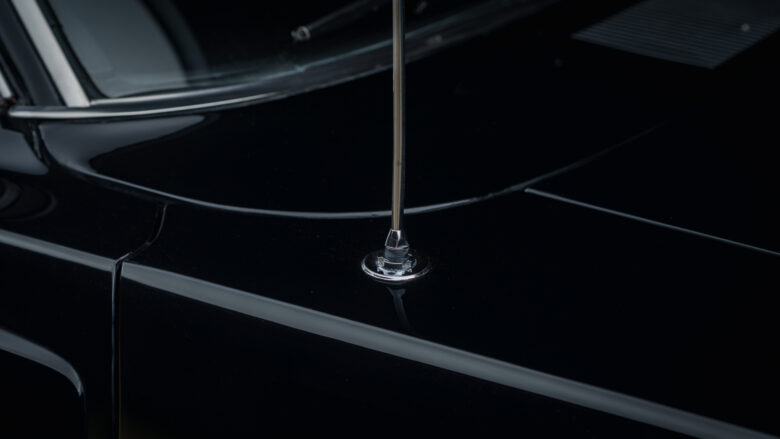
Retractable antennas
The thin metal whip that rose automatically the second you turned the key. Small piece of theater, every single start. Shark-fin antennas have made the motorized whip all but extinct now, one more tiny ritual quietly phased out.
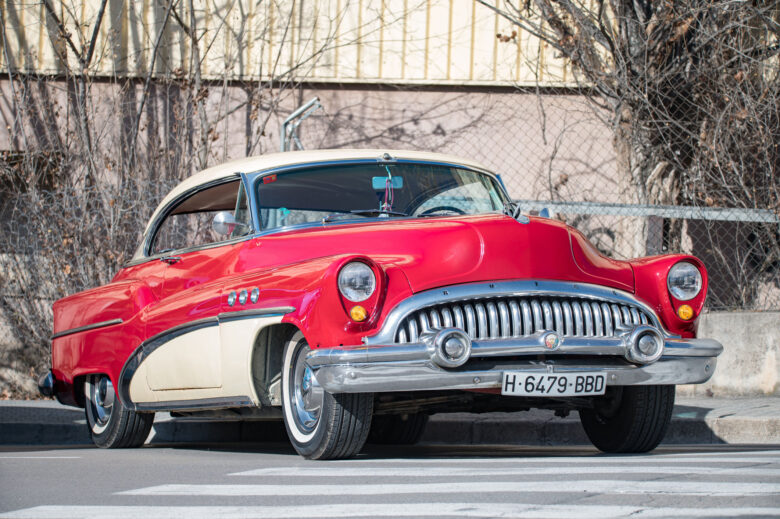
Bold two-tone paint jobs
Contrasting panels, real color choices, actual personality on the outside of the car. Modern monochrome finishes are safer bets financially, and automakers know it, so the two-tone look mostly disappeared along with the risk-taking that produced it.
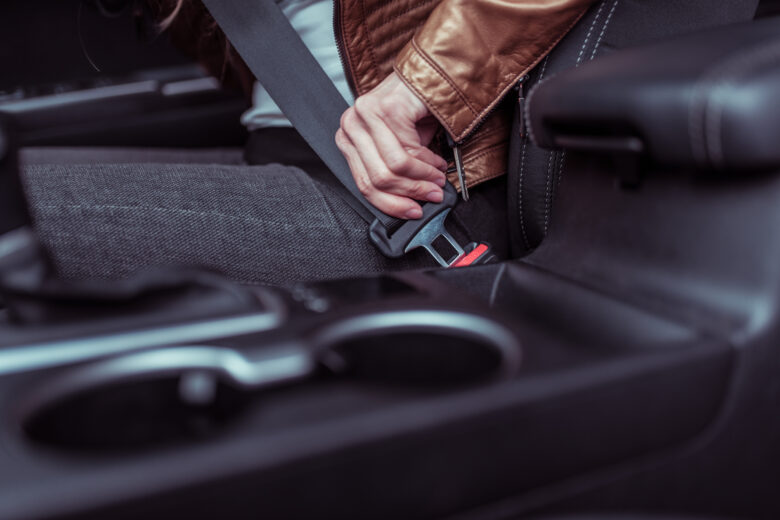
Automatic seat belts
These emerged in the late 1980s as a workaround for inconsistent seat belt use, sliding into place the moment a door closed. Awkward in practice, honestly, more often than not. Airbags became standard, seat belt laws tightened everywhere, and the whole system vanished almost overnight.

The bottom line
None of these were perfect. Some existed for reasons modern safety standards have rightly overridden, no argument there. But every one of them gave ’90s cars a texture that decades of standardization have since sanded away, and that’s exactly why people still bring them up.
Ask us! What questions do you have about content, strategy, pop culture, lifestyle, wellness, history or more? We may use your question in an upcoming article!
Related:
- 10 car features we thought were high-tech in the ’80s
- Rare muscle cars almost no one has seen on the road
Like MediaFeed’s content? Be sure to follow us.
This article was syndicated by MediaFeed.co.