Cult classic movies of the ’80s that were box office flops
E.T. the Extra-Terrestrial was released in June 1982 and made $359 million. The same summer, two films that film schools now teach as masterpieces opened and failed; one of them the exact same week as E.T., with Star Trek II and Conan the Barbarian also competing for the same audience. The studio executive who scheduled all of those films for the same summer has never been adequately questioned about this decision.
The following are the films the 1980s got wrong.

Blade Runner (1982)
$28 million budget. $33.8 million gross. That sounds like a profit until you account for the marketing spend, which pushed it into the red. Harrison Ford was coming off Raiders of the Lost Ark. Ridley Scott was coming off Alien. None of that moved tickets. Audiences wanted E.T. and got a film about whether artificial beings deserve rights, set in a rain-soaked Los Angeles in 2019. Blade Runner 2049 came out in 2017 and lost even more money. The sequel apparently did not learn from the original’s commercial history.
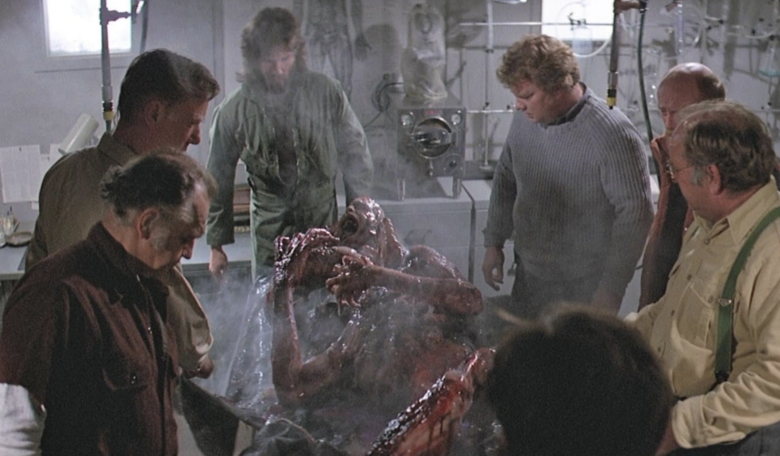
The Thing (1982)
Roger Ebert gave it one star and called it a geek show. The same week, audiences were watching E.T. cry and feeling good about the universe. Carpenter’s film was asking whether the person sitting next to you might secretly be something else entirely, which is a different emotional proposition. Carpenter has said the failure nearly ended his career. It grossed $19 million. Ebert revised his opinion years later. The film is now on lists of the greatest horror movies ever made, which didn’t help Carpenter in 1982.
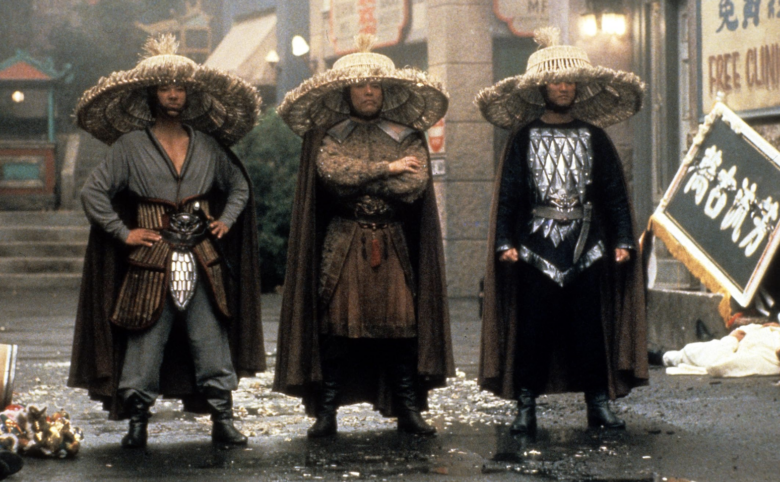
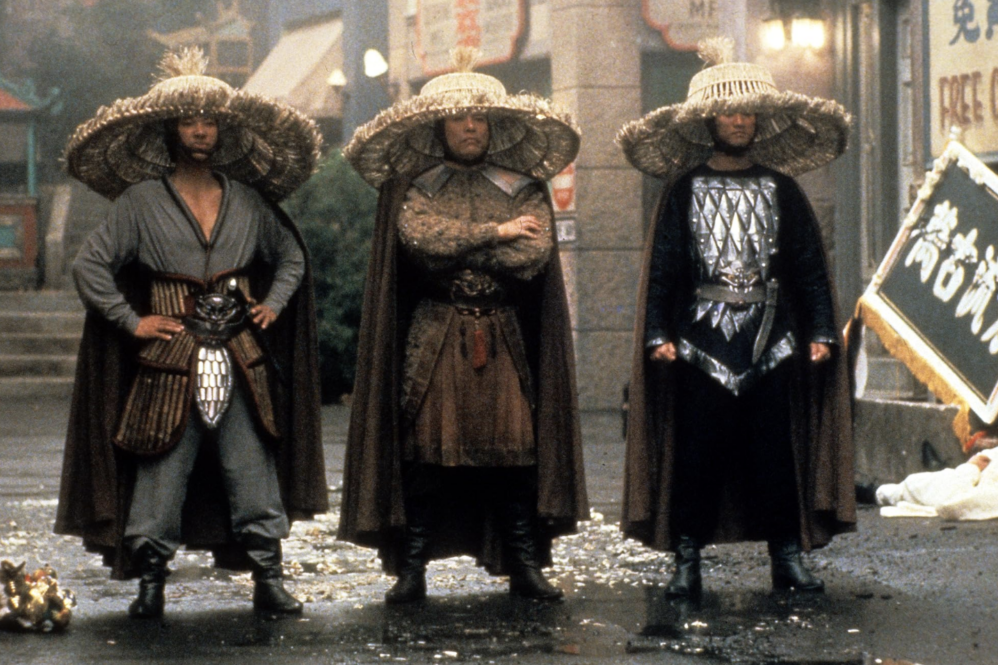
Big Trouble in Little China (1986)
Jack Burton is the protagonist. He thinks he is the hero. He is not. Wang Chi is the hero. Jack spends the movie getting in the way while believing he is saving the day, which is either a joke about American self-image or just a strange structural choice. It made $11 million against a $25 million budget. Then VHS happened. The people who found it at the video store loved it with a specific intensity that theatrical audiences had withheld entirely.
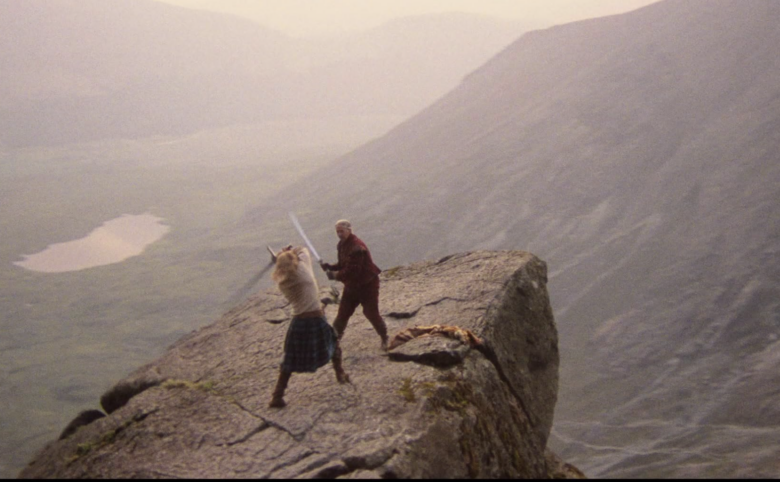
Highlander (1986)
Christopher Lambert is French. His character is Scottish. Sean Connery is Scottish. His character is Egyptian-Spanish. The film asks you to accept this without explanation and moves on. The premise was not something a poster could summarize in 1986. It flopped. The 1991 sequel is widely considered one of the worst films ever produced. The original has a soundtrack by Queen, which the sequel did not, and this may be the entire explanation.
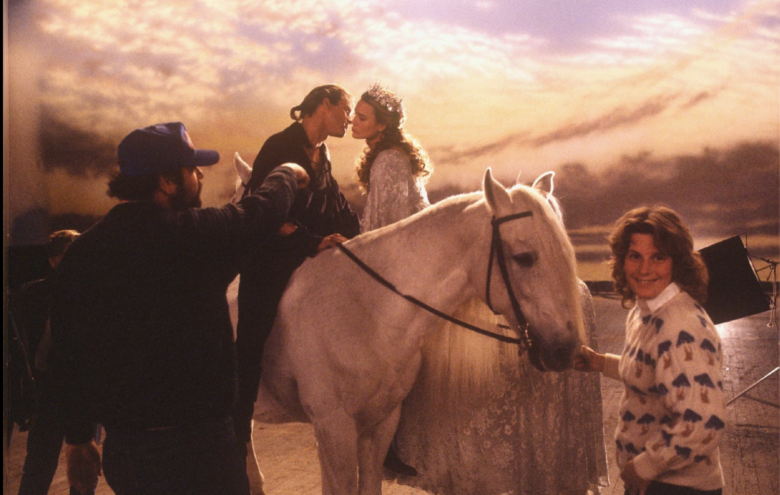
The Princess Bride (1987)
The studio wanted more from the director of Stand By Me. What they got was $30.8 million against a $16 million budget, technically a profit the studio classified as a disappointment anyway. The film contains one of the most quoted lines in American cinema — “You keep using that word. I do not think it means what you think it means” — spoken by a character most of the theatrical audience never met. The VHS audience met him and quoted him constantly for thirty years.
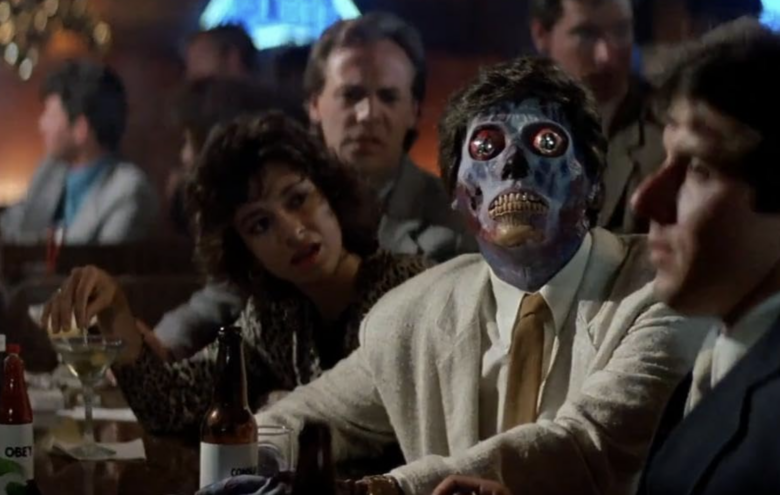
They Live (1988)
Roddy Piper was a professional wrestler when Carpenter cast him. The film is about a man who finds sunglasses that reveal aliens controlling humans through television, billboards and money. The money says OBEY and THIS IS YOUR GOD. It cost $3 million and made $13 million, which Carpenter considered an underperformance given what he was trying to say. There is a fight scene between Piper and Keith David that runs five minutes and forty-two seconds and has no narrative justification for its length.

The bottom line
The VHS rental market saved most of these films. People wandering video stores in the late ’80s found Blade Runner in sci-fi, The Thing in horror, and Big Trouble in Little China in whatever section the clerk had put it that week. The theatrical audience said no. The living room audience said yes, repeatedly, for thirty years.
Ask us! What questions do you have about content, strategy, pop culture, lifestyle, wellness, history or more? We may use your question in an upcoming article!
Related:
- Nostalgic gold: 1980s cartoons worth rewatching as an adult
- Fun things we could do in the ’80s that today’s kids just can’t
Like MediaFeed’s content? Be sure to follow us.
This article was syndicated by MediaFeed.co.