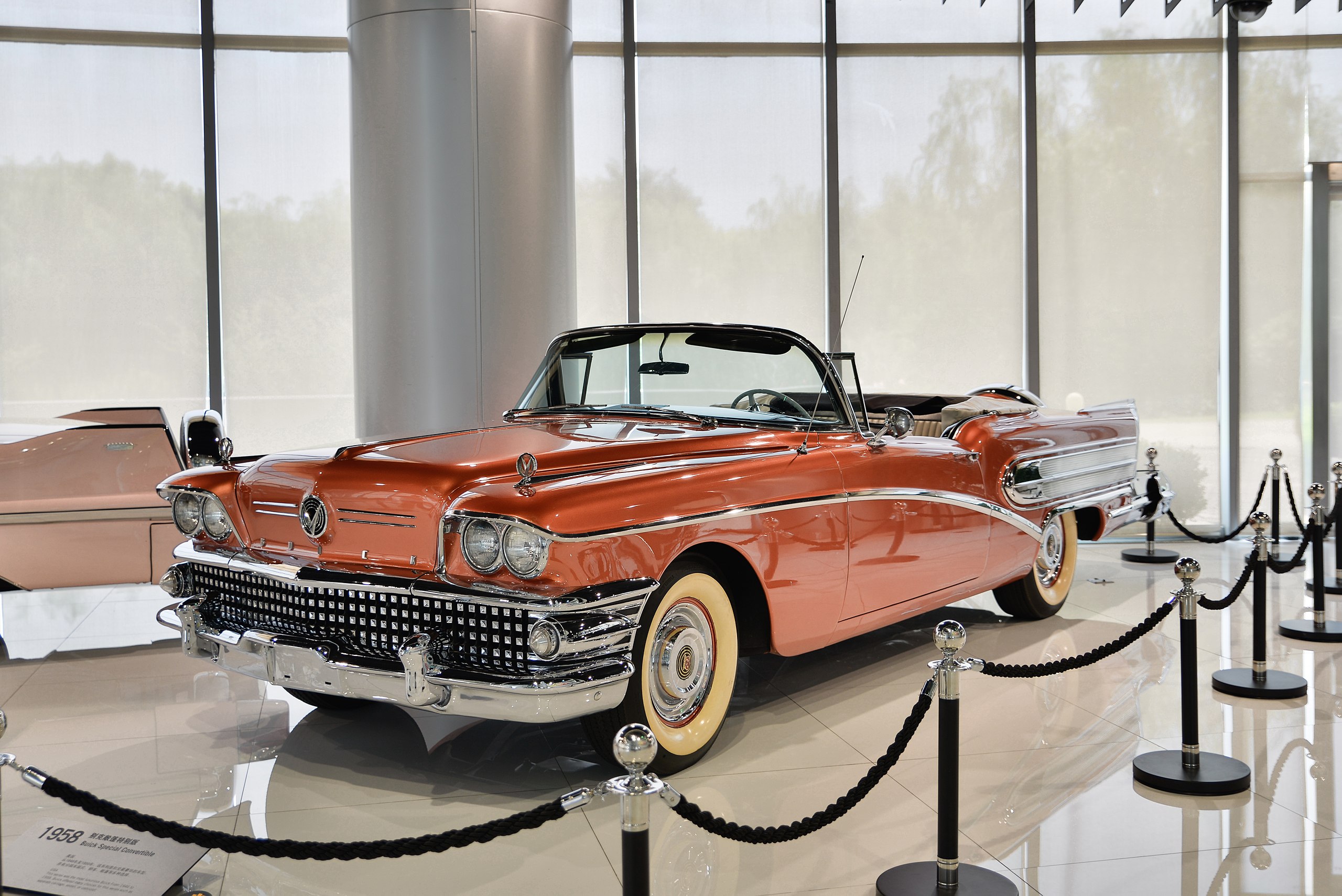
’80s commercial catchphrases that became part of our everyday vocabulary
You still say some of these. Not because you remember the commercial. Because the phrase took hold sometime in the late 1980s and never left. That is what the best advertising copywriting does; it stops being advertising and starts being language. Here are six that never left.
If you have a question you’d like us to tackle, use the Ask MediaFeed option at the bottom of every article.

“Where’s the beef?” — Wendy’s (1984)
Joe Sedelmaier had originally planned the spot with a young couple but changed his mind. Brought in three elderly women instead, one of whom was an 81-year-old manicurist named Clara Peller who had never been on television. She looked at the bun, looked up, and asked where the beef was. Thirty-one percent sales increase for Wendy’s in 1984. Walter Mondale borrowed it that same year to go after Gary Hart’s policy proposals. A phrase about a hamburger patty ended up in a presidential campaign within months of airing.

“Just do it” — Nike (1988)
The morning of the client presentation, Dan Wieden still didn’t have a line. What came to him was a riff on something Gary Gilmore reportedly said before his execution in 1977. Wieden has talked about this publicly. Nike confirmed it. The connection between a death row last statement and the world’s most replicated advertising slogan is not something the brand leads with.
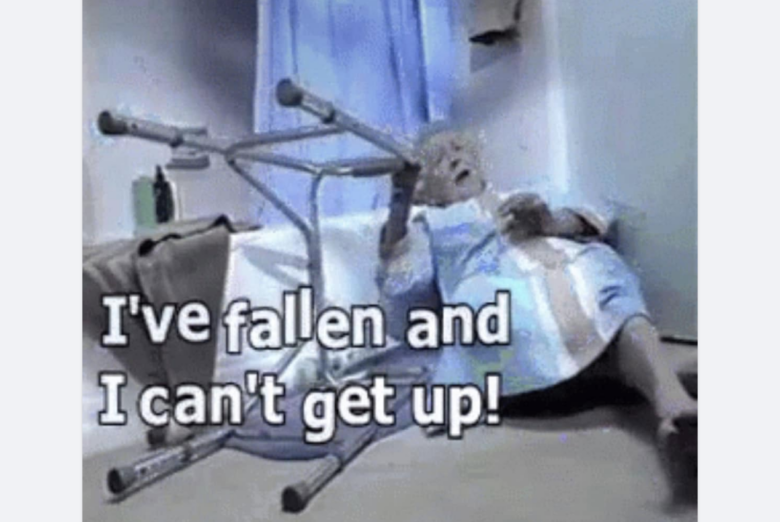
“I’ve fallen and I can’t get up” — Life Alert (1989)
The woman on the floor was a retired school nurse named Edith Fore. Seventy-four years old. The commercial was designed to sell medical alert devices to seniors, and the production values showed. Something about the delivery’s specific flatness made it impossible not to quote. People used it about everything. The company ran variations on the same line for years. Not because the marketing team loved it. Because the replacements didn’t stick.
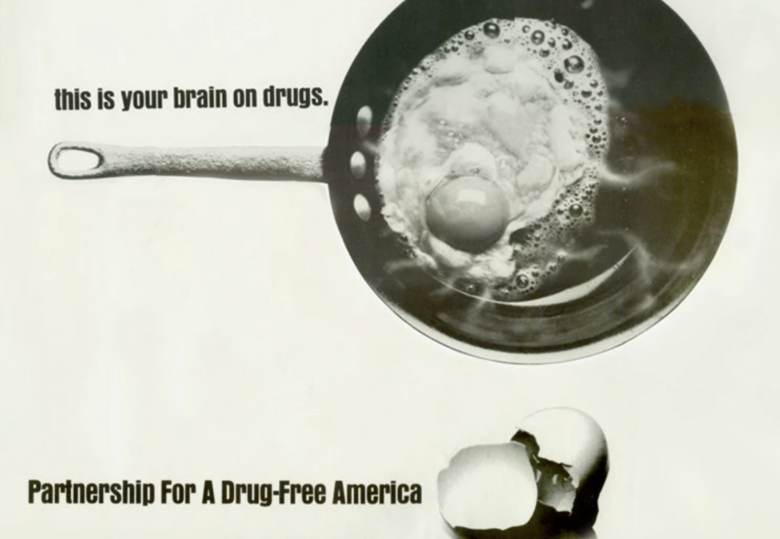
“This is your brain on drugs” — Partnership for a Drug-Free America (1987)
An egg in a frying pan. Now, mind this is your brain, cracked into a hot pan. This is your brain on drugs. Any questions? It ran so frequently the image became permanent. It became a joke almost immediately, which was not the plan. People have been completing the construction of the phrase “This is your brain on ___” ever since.

“Time to make the donuts” — Dunkin’ Donuts (1982)
Fred the Baker woke before dawn every morning and never complained. Said it, shuffled out the door, went to work. Michael Vale played him for over a decade. The phrase became shorthand for any thankless repetitive obligation. It said something true about work that no motivational poster has managed to say since.

“Be all that you can be” — US Army (1981)
Six words that turned military recruitment into a personal development pitch. The slogan ran for over two decades. It entered the language as a generic challenge: something a coach says, something a graduation speech quotes, something embroidered on merchandise with no military connection whatsoever.

The bottom line
The catchphrases that lasted were not the cleverest ones. “Where’s the beef?” is four words about a hamburger. “Just do it” is three words about nothing specific. What they had was rhythm, repetition, and the specific luck of arriving at the right cultural moment.
Ask us! What questions do you have about content, strategy, pop culture, lifestyle, wellness, history or more? We may use your question in an upcoming article!
Related:
- 12 iconic rock songs that wouldn’t fly today
- The most controversial songs of the ’60s: Do you agree?
Like MediaFeed’s content? Be sure to follow us.
This article was syndicated by MediaFeed.co.