Is Tesla Autopilot Safe? 10 Things to Know
As technology advances, the automotive industry is seeing a significant shift towards automation, with Tesla’s Autopilot feature at the forefront. This driver-assistance system promises to enhance safety by reducing human errors, yet recent incidents have raised questions about its reliability.
One tragic event involved a Tesla Model 3 crashing into a Texas home, resulting in a fatality. This incident underscores the ongoing debate about the safety of autonomous driving technologies. Here are 10 things you should know about Tesla’s Autopilot and its implications for road safety.
10. The Promise of Safety
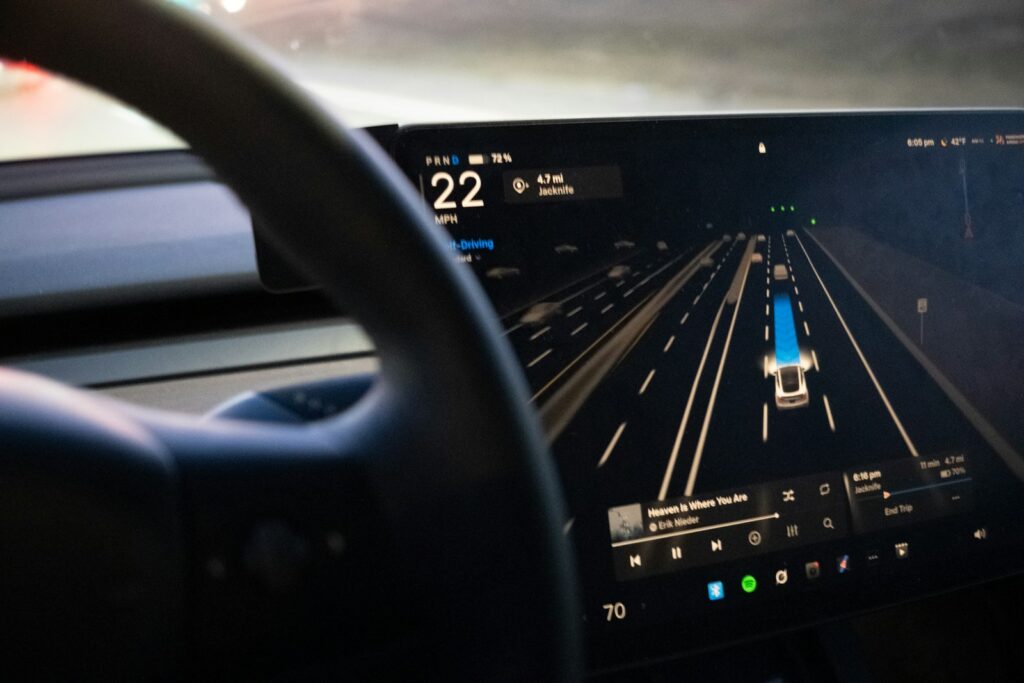
Tesla markets its Autopilot as a game-changer for road safety. The system is designed to assist drivers by handling tasks like steering, acceleration, and braking.
Despite these claims, critics argue that the technology is still in its infancy and not foolproof. The mixed messages in Tesla’s marketing can lead to overconfidence among drivers.
9. Human Oversight Required
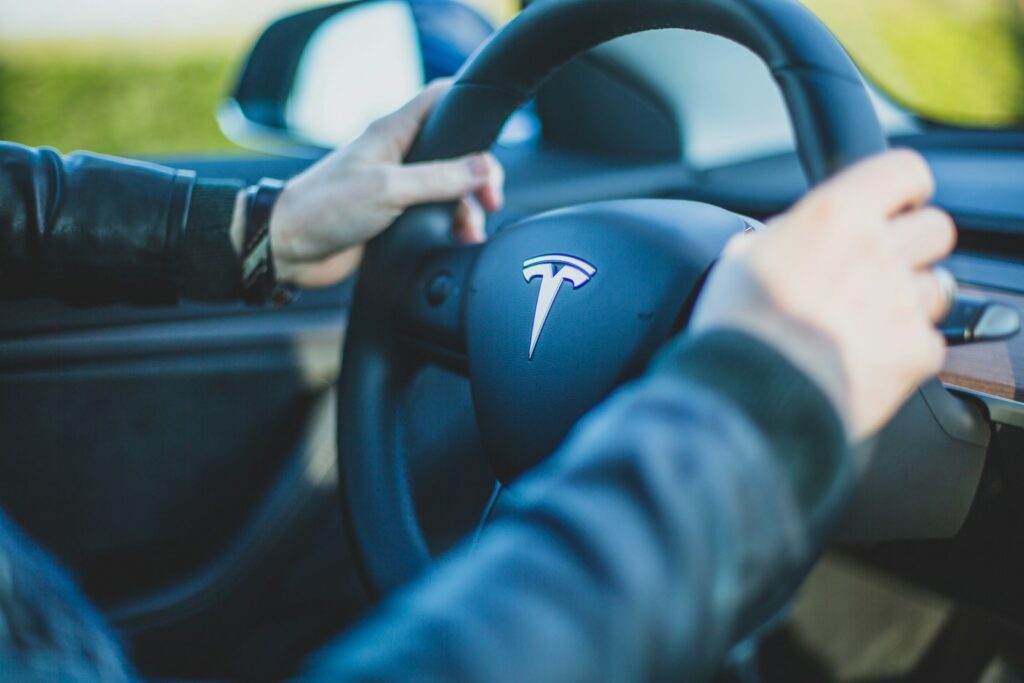
While Autopilot can handle many driving tasks, Tesla emphasizes the need for human oversight. The system requires drivers to keep their hands on the wheel and be ready to take control at any moment.
However, some drivers may misinterpret the system’s capabilities, leading to dangerous situations where they are not prepared to intervene.
8. The Role of Human Error
Tesla often cites studies suggesting that human error is responsible for the majority of car accidents. This supports their argument that Autopilot can reduce crashes by minimizing these errors.
However, safety advocates caution that this perspective oversimplifies the complexities of road safety and the current limitations of autonomous technologies.
7. Regulatory Challenges
Tesla is pushing for regulatory changes that would allow more advanced autonomous features on the roads. This includes removing certain controls that are deemed unnecessary for automated systems.
Critics argue that such changes could compromise safety, as passengers may need these controls in emergencies or unexpected situations.
6. Mixed Marketing Messages
Critics argue that the branding and presentation of Tesla’s driver-assistance features can lead some consumers to overestimate what the system can safely do.
This has led to a false sense of security, with some drivers over-relying on the technology, potentially resulting in accidents.
5. The Impact of Accidents
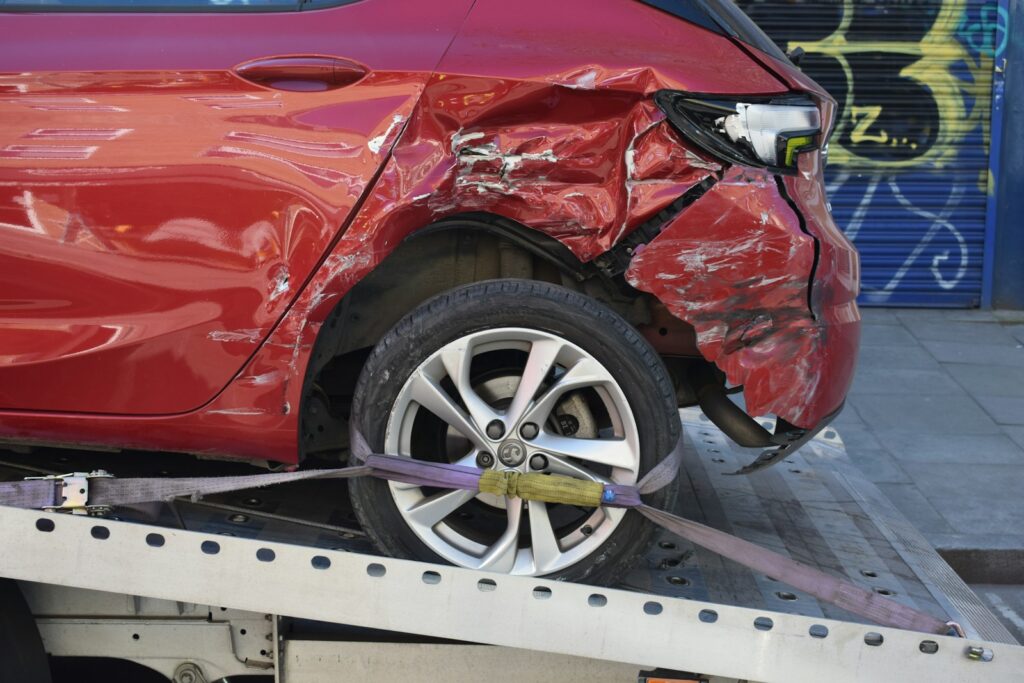
Incidents involving Tesla’s Autopilot, such as the recent crash in Texas, highlight the potential risks associated with semi-autonomous driving systems.
These events not only result in tragic losses but also fuel ongoing debates about the readiness of such technologies for widespread use.
4. Advocates for Safety
Safety advocates argue for a cautious approach to autonomous driving, emphasizing the need for thorough testing and clear regulations.
They stress that while technology can enhance safety, it is crucial to ensure that it does not introduce new risks or exacerbate existing ones.
3. The Importance of Transparency
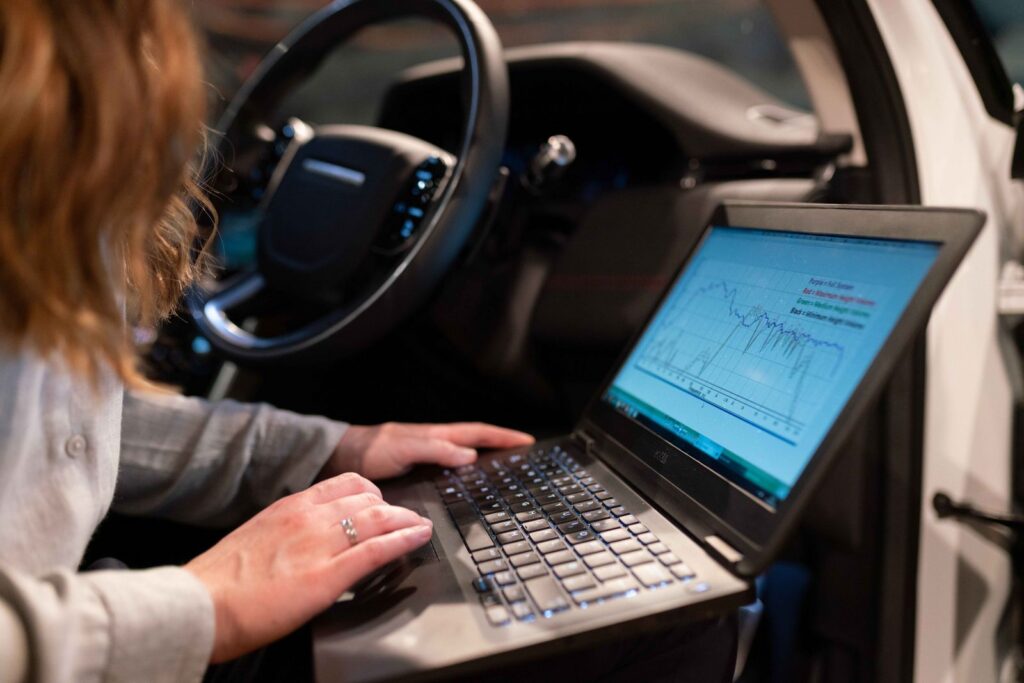
Transparency in how Autopilot systems function and are tested is vital for public trust. Consumers need clear information about what these technologies can and cannot do.
Without this transparency, misunderstandings can lead to misuse and potentially dangerous situations on the road.
2. The Future of Driving
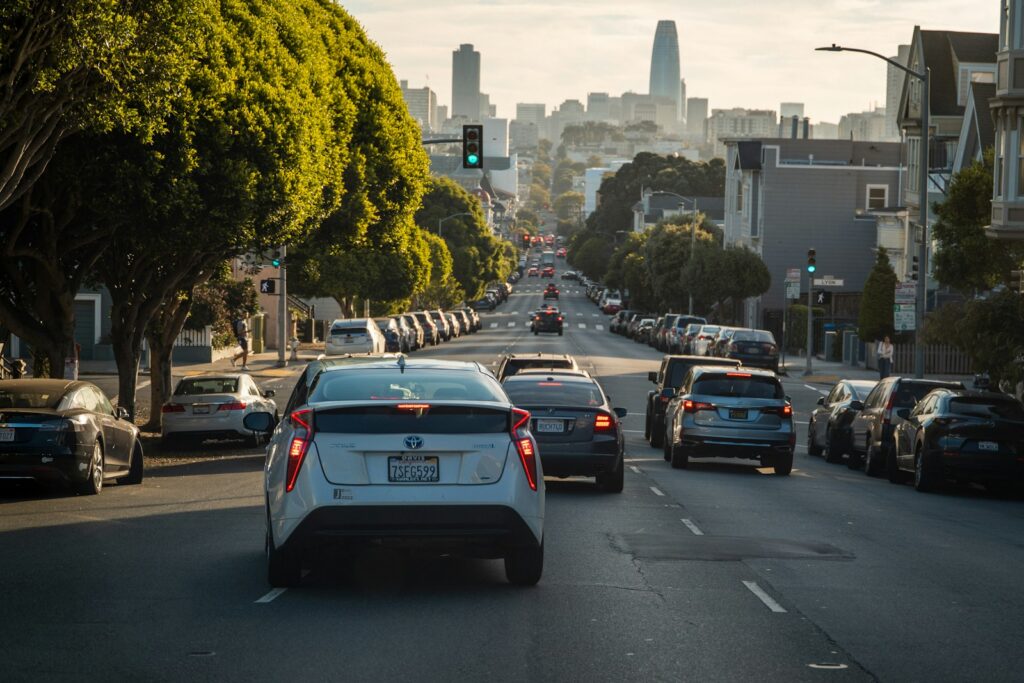
Autonomous driving represents a significant shift in how we perceive transportation. Tesla’s Autopilot is just one step towards a future where cars drive themselves.
However, achieving this vision requires addressing current challenges and ensuring that safety remains a top priority in development.

1. Balancing Innovation and Safety
As the debate over Tesla’s Autopilot continues, finding the right balance between innovation and safety is crucial.
Policymakers, manufacturers, and consumers must work together to ensure that advancements in technology do not come at the expense of human lives.
Read more:
- 15 Times Tech Companies Overpromised and Under-Delivered
- 10 Elon Musk Forecasts That Didn’t Go According to Plan
- 10 Milestones That Helped Shape SpaceX
Ask us! What questions do you have about content, strategy, pop culture, lifestyle, wellness, history or more? We may use your question in an upcoming article!
Like MediaFeed’s content? Be sure to follow us.
This article originally appeared on Resourcebuzz and was syndicated by MediaFeed.co.