Car features Boomers thought were genius but weren’t
The decades between the 1960s and the 1990s produced some of the most adventurous automotive thinking in history, engineers throwing everything at the wall to see what would stick. Some of it was genuinely revolutionary. A lot of it was not. Here are the features that felt like the future and proved to be anything but.

The talking dashboard
The 1981 Datsun Maxima was among the first cars to offer a voice alert system. “Your door is ajar.” “Your fuel is low.” The voices were robotic, impossible to disable, and prone to misfiring at random. Most owners disconnected them within weeks. A simple chime communicates the same information without the attitude.
The digital dashboard
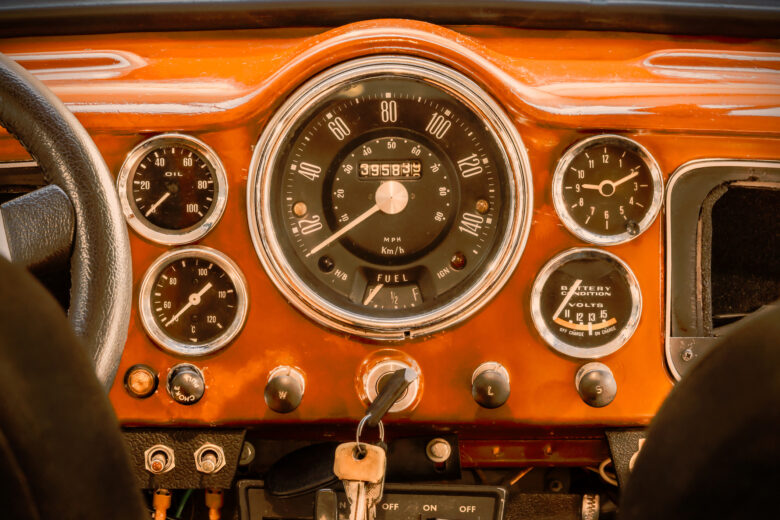
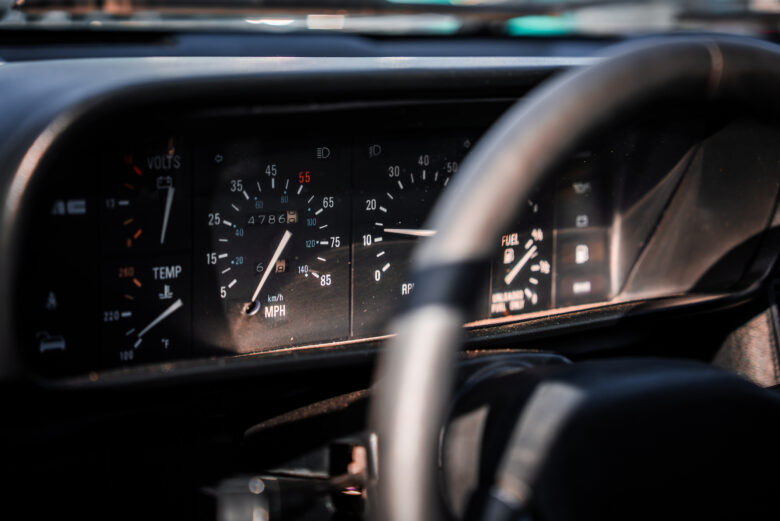
Out went the reliable analog gauge. In came LED number clusters borrowed from a pocket calculator. Dim in sunlight, unreadable through polarized sunglasses, and when one segment failed, the entire panel went unreliable. Some manufacturers added digital simulations of analog gauges, combining the disadvantages of both while capturing the advantages of neither.

The motorized seatbelt
When you closed the door, a shoulder belt motored along a track and draped itself across your chest. The reality was a mechanical disaster: motors burned out, tracks jammed, and belts snagged clothing. People routinely forgot the still-manual lap belt, making the system less safe than it appeared. Airbags made them obsolete after two production years.
Pop-up headlights
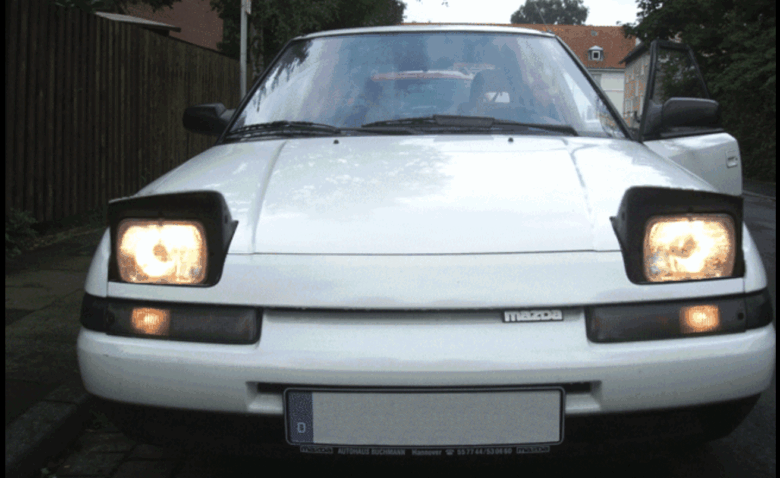
The Pontiac Firebird and Mazda RX-7 made them famous, and Boomers loved every second of the theatrical hood reveal. The mechanical reality never matched the promise. Motors wore out, gears stripped, ice froze mechanisms shut. Headlights that failed to turn on on a dark highway were a serious problem. They vanished from production after 2004.

The vinyl roof and landau bar
American luxury designers decided sedans needed a chrome S-bar on the C-pillar and vinyl over the roof. The Landau bar served no structural purpose. Vinyl trapped water against the steel beneath, accelerating rust from inside, and cracked in any climate involving weather. Status symbols that quietly destroyed the cars hosting them.
The in-car touchscreen
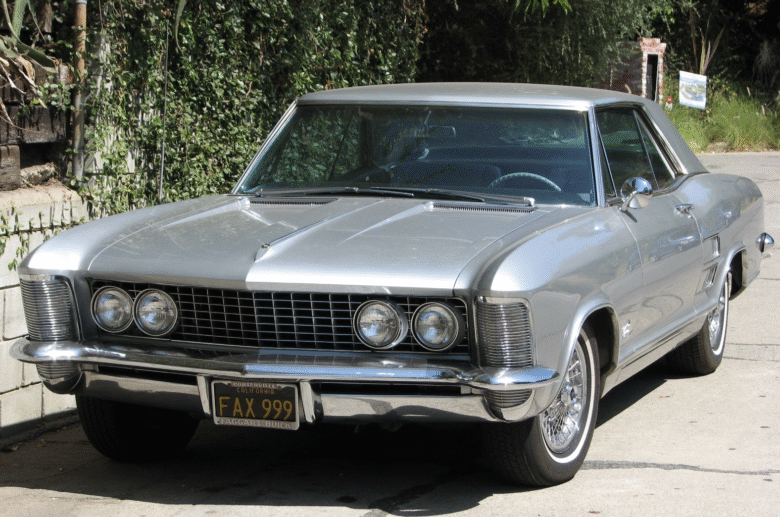
Few people know this one. The 1986 Buick Riviera shipped with a CRT touchscreen controlling radio, climate, and diagnostics. GM called it the Graphic Control Center. One reviewer said it was “meant to transform a trip to the 7-Eleven into a space odyssey.” Boomers thought they were seeing the future. They were right, just 25 years early. Buttons were tiny, the screen demanded precision at speed, and buyers found it bewildering. By 1990, GM went back to knobs. Every car today has a version of what Buick abandoned.
Wrap up
Each of these features was a genuine attempt to push the car into something smarter or more dramatic. Some were ahead of their time in concept and behind in execution. Others were solutions to problems nobody had. All of them remind us that innovation is not the same thing as improvement, a lesson the automotive industry has had to relearn more than once.
Ask us! What questions do you have about content, strategy, pop culture, lifestyle, wellness, history or more? We may use your question in an upcoming article!
Related:
- Cars that were legal for years before anyone realized how unsafe they were.
- Red cars, risky drivers? What your ride’s color might say about your safety
Like MediaFeed’s content? Be sure to follow us.
This article was syndicated by MediaFeed.org.