An unsinkable dam
When political gridlock brings Washington to a halt, the public’s common assumption is that a government shutdown means all national landmarks and federally run attractions must close their doors. From national park visitor centers to federal museums, a lack of funding often turns beloved institutions into ghosts of their former selves.
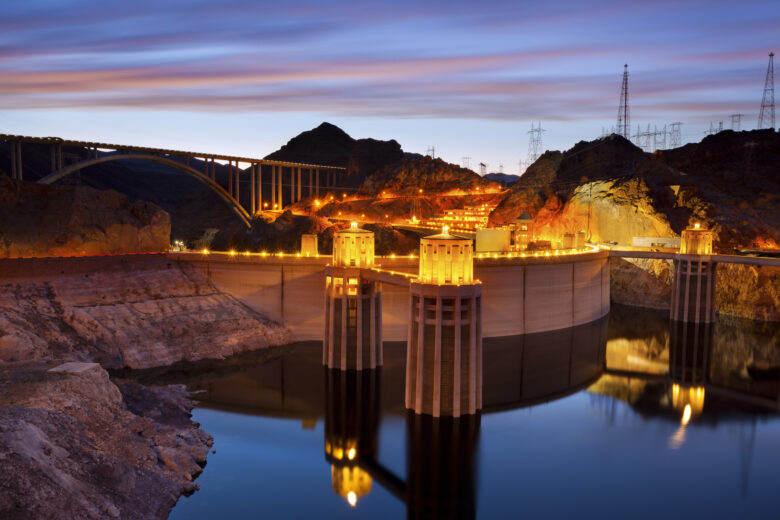
But there’s a massive, concrete exception towering over the Black Canyon of the Colorado River: the Hoover Dam. This federal facility remains resolutely operational, providing essential services, running its massive turbines, and—counter-intuitively—often keeping its popular tours and visitor centers open, seemingly unbothered by the funding crises gripping Washington D.C.
This isn’t an oversight or an act of rebellion. The Hoover Dam’s resilience is engineered into its very foundation. Its unique financial structure shields the Hoover Dam from federal funding crises.

Why It Stays Open
The stability of the Hoover Dam during a government shutdown is due to a combination of its essential nature and a brilliant, self-sustaining revenue model.
The Hoover Dam isn’t just a tourist site; it’s categorized as an essential power generation and water delivery facility. A closure or even a temporary disruption would be catastrophic for the entire Southwest. The dam supplies:
- Hydroelectric power to millions of residents and businesses in Nevada, Arizona, and California.
- Water for irrigation, municipal use, and industry across the lower Colorado River Basin.
Due to its critical role, the operational staff (power managers, engineers, water controllers) are deemed “essential employees” and remain on the job regardless of a shutdown. It is jointly managed by the Bureau of Reclamation (Department of the Interior) and the Western Area Power Administration.
The Self-Sustaining Revenue Model
Unlike the National Park Service, which relies heavily on congressional appropriations (taxpayer funds) for its annual budget, the Hoover Dam is a financially self-sufficient entity.
- The Funding Source: Its operations are primarily funded by the sale of hydroelectric power it generates and the revenue from delivering water.
- The Revolving Fund: The revenue generated from energy and water sales is deposited into a revolving fund that is legally obligated to cover the dam’s operating, maintenance, and capital costs. This financial mechanism is insulated from the annual appropriations process. The Dam literally pays for itself, making it a truly self-sufficient federal entity.
Visitor Services During Shutdown
While the power and water management staff are always essential, even the tourist operations often remain open. That’s because the visitor centers and tours are funded directly by the ticket sales fees they collect. The money generated from the tours is reinvested in supporting the visitor operations staff, rather than requiring an annual appropriation from Congress.
For travelers worried about federal closures, many popular destinations in the Las Vegas area are immune to the political drama in D.C. by virtue of being run by state, county, or private entities.
State-Run Parks (Immune to Federal Closure)
The State of Nevada funds these parks, and they remain operational when federal parks close.
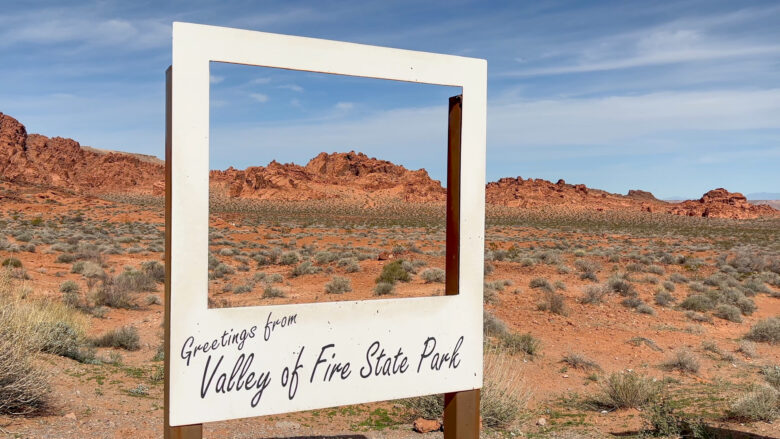
- Valley of Fire State Park: Nevada’s oldest state park is famous for its stunning red sandstone formations, slot canyons, and ancient petroglyphs.
- Spring Mountain Ranch State Park: A historic ranch with dramatic mountain backdrops, offering hiking, picnicking, and historical tours.
City/County-Managed & Privately Funded Venues
- The Strip and Entertainment: Casinos, resorts, shows, restaurants, and shopping—the core of Las Vegas tourism is privately run and entirely unaffected by a government shutdown.
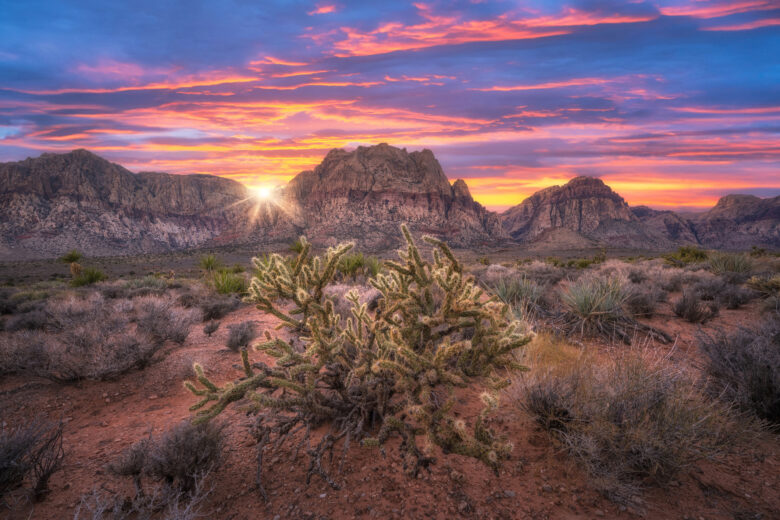
- Red Rock Canyon National Conservation Area: While federally managed, this site often remains partially open (e.g., the scenic loop drive) or fully funded by private organizations during prolonged shutdowns, though official visitor centers may be closed.
- Museums and Culture: Many cultural sites operate under private or municipal control.
- The Neon Museum (Private/Non-profit)
- The Mob Museum (Private/Non-profit)
- And countless independent art galleries and local attractions.
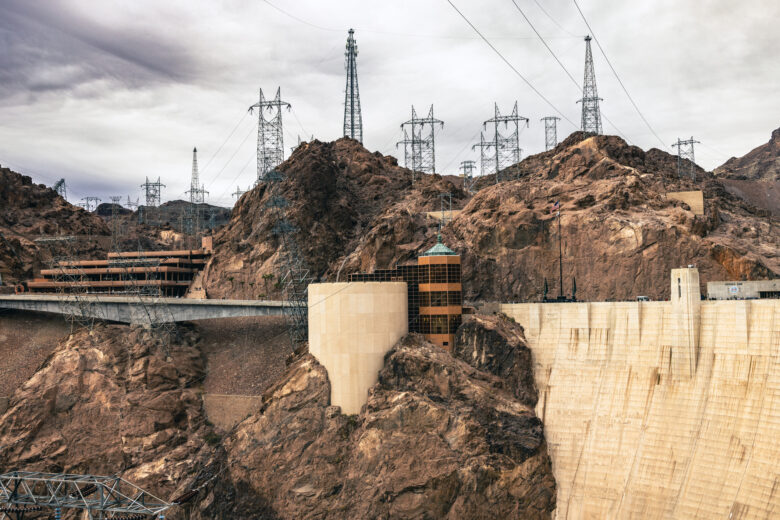
An engineering (& economic) wonder
The resilience of the Hoover Dam stands in stark contrast to its neighbors. Federally funded sites, such as certain parts of the Lake Mead National Recreation Area or the majestic National Parks like Zion and the Grand Canyon, are often immediately affected and may close during a shutdown. While some popular, high-profile parks may remain partially accessible, services such as ranger programs, trash collection, and restroom facilities often cease to operate.
The takeaway for travelers is clear: if a government shutdown looms, prioritize state, local, and privately funded destinations.
The Hoover Dam is more than just a marvel of engineering; it stands as a remarkable example of how a critical national infrastructure asset can be engineered not just physically, but financially, to withstand political turbulence and keep the lights on—both literally and metaphorically—when Washington hits the wall.
Like MediaFeed’s content? Be sure to follow us.
This article was syndicated by MediaFeed.org.