The 15 things you’d instantly recognize if you grew up in the ’80s
The 1980s created a distinctive cultural landscape where technological innovation collided with bold aesthetic choices, producing a decade filled with unique experiences that shaped an entire generation’s childhood and adolescence. This era marked a transitional period when analog technology reached its peak sophistication while digital innovations began emerging, creating a fascinating blend of old and new that feels both nostalgic and revolutionary. Growing up during this time meant experiencing firsthand the birth of personal entertainment technology, witnessing dramatic shifts in fashion and music, and navigating daily life with tools and objects that now seem charmingly primitive yet remarkably innovative for their time.
These specific items and experiences created shared cultural references that instantly transport anyone who lived through the decade back to bedrooms decorated with movie posters, school hallways filled with the sounds of Walkman headphones, and family rooms dominated by the blue glow of television screens. The objects that defined 1980s childhood represent more than mere possessions; they embody the hopes, dreams, and daily rhythms of a generation coming of age during a period of unprecedented technological and cultural change.
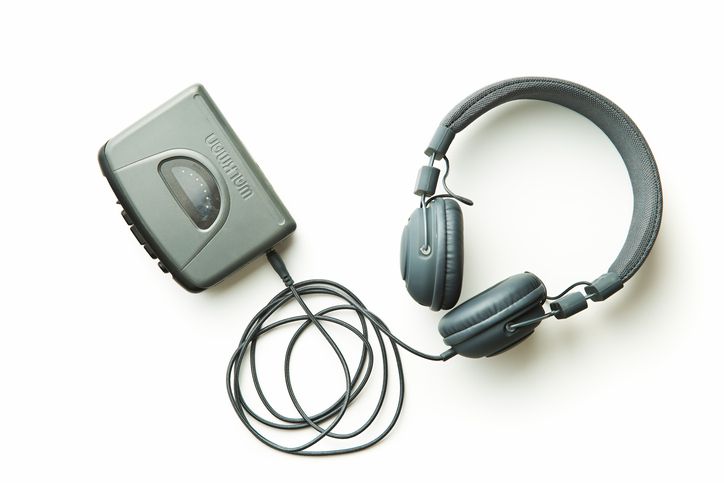
The Walkman
The Sony Walkman revolutionized personal music consumption by allowing people to carry their soundtrack wherever they went, complete with foam headphones that inevitably became tangled in backpacks and jacket pockets. This portable cassette player represented freedom and individuality, enabling teenagers to create private musical worlds while walking through public spaces. The distinctive rectangular shape, metal construction, and satisfying click of the play button created tactile experiences that became deeply embedded in muscle memory for an entire generation.
The Walkman’s impact extended far beyond simple music playback, fundamentally changing how people experienced public spaces and personal time by providing the ability to customize ambient soundscapes anywhere. The ritual of selecting the perfect cassette for different activities evolved into an art form, while the yellow foam headphones became iconic symbols of 1980s youth culture. The device’s battery life limitations and the mechanical sounds of tape advancement created unique user experiences that required planning and patience, making music consumption more intentional than today’s instant digital access.

The VCR
VCR ownership transformed home entertainment by bringing movie theater experiences into living rooms. However, operating these machines required mastering the art of programming recordings, rewinding rental tapes, and troubleshooting tracking issues that resulted in fuzzy picture quality. The perpetually blinking “12:00” display became a running joke that revealed technological intimidation even among adults. At the same time, the satisfying mechanical sounds of tape insertion and ejection provided audio confirmation of successful operation. Late fees from video rental stores and the social ritual of selecting a Friday night movie created shared experiences that defined weekend entertainment.
The complex programming features of VCRs, including timer recordings and multiple playback speeds, represented cutting-edge technology that promised convenience but often delivered frustration for users struggling with unintuitive interfaces and thick instruction manuals. The mechanical nature of tape technology meant that rewinding, fast-forwarding, and pausing created distinctive sounds and visual effects that became part of the viewing experience. The anxiety of accidentally recording over precious family memories or favorite movies added emotional stakes to what should have been simple entertainment technology, creating memorable learning experiences for an entire generation.

A “corded” phone
Corded telephones, with their distinctively long, coiled cords, created unique physical interactions as users stretched, twisted, and wrapped the spiral cables around their fingers during lengthy conversations. The weight and solidity of these handsets provided satisfying tactile feedback, while the clear dial tone indicated successful connection to the outside world. Phone conversations required dedication and planning, as mobility was limited to the cord’s length, creating intimate communication experiences that demanded full attention without the distractions of modern mobile devices.
The shared nature of household phone lines meant that telephone conversations became family events, with siblings eavesdropping from extension phones and parents monitoring usage time and long-distance charges. The physical connection between the caller and receiver, created through copper wires, gave a sense of direct communication that felt more substantial than today’s digital transmissions. Kitchen wall-mounted phones, equipped with extra-long coiled cords, allowed for multitasking while maintaining conversations. However, the inevitable tangling of cords required regular untangling rituals that became part of daily household maintenance.
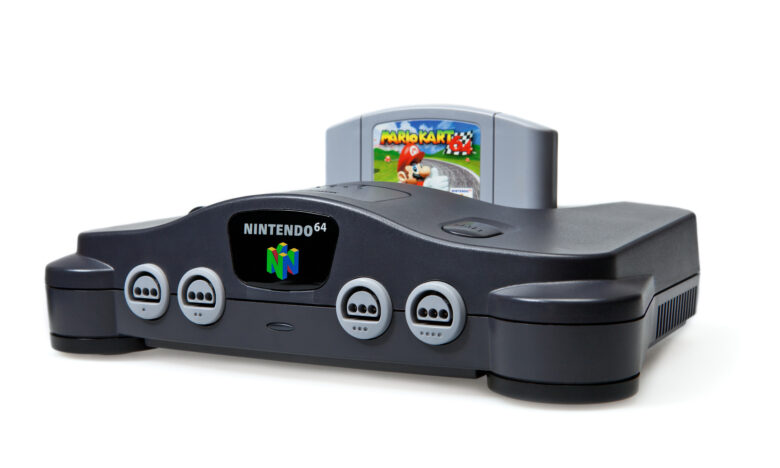
The Nintendo Entertainment System (NES)
The Nintendo Entertainment System revolutionized home gaming with its distinctive gray cartridges, which required a ritualistic blowing technique to remove dust and ensure a proper connection with the console. This troubleshooting method became universal knowledge among children, creating shared experiences of frustration and triumph when games finally loaded appropriately. The rectangular controller with its simple directional pad and two action buttons provided hours of entertainment through games that required skill, patience, and memorization of complex button sequences.
The side-loading cartridge design of the NES, while innovative for its time, created dust accumulation problems that necessitated the blowing ritual, although this technique often provided only temporary solutions to connection issues. The 8-bit graphics and chiptune soundtracks of NES games created distinctive audiovisual experiences that defined video game aesthetics for an entire generation. The social aspects of NES gaming, including taking turns, sharing controllers, and discovering secret codes through playground conversations, created community experiences that connected children through shared digital adventures and competitive challenges.

Neon and Day-Glo fashion
Neon and Day-Glo fashion created eye-searing color combinations that seemed to glow under artificial lighting, with clothing and accessories in electric pinks, bright greens, and shocking blues that made wearers stand out in any crowd. These fluorescent colors appeared on everything from leg warmers and headbands to jewelry and shoelaces, creating coordinated looks that celebrated boldness over subtlety. The synthetic materials used in these garments often created distinctive textures and sounds, with windbreakers that crinkled with every movement and accessories that maintained their vibrant colors through repeated washing.
The popularity of fluorescent fashion reflected broader 1980s cultural values that celebrated excess, individualism, and technological optimism through clothing choices that demanded attention and expressed personal style. Athletic wear in neon colors became an acceptable street fashion, blurring the lines between workout clothes and everyday attire while promoting active lifestyles through bold visual statements. The maintenance requirements of neon clothing, including special washing instructions to preserve color intensity and the tendency of some materials to fade or crack over time, created ongoing relationships between wearers and their distinctive wardrobes that required care and attention to maintain their visual impact.

The “big hair” look
Big hair represented the decade’s philosophy that more was always better, with elaborate hairstyles that defied gravity through generous applications of hairspray, mousse, and teasing techniques that could add several inches of height to any head. These sculptural creations required significant time, skill, and product to achieve and maintain, turning daily hair preparation into artistic endeavors that reflected personal style and social status. The resulting styles created distinctive silhouettes that photographs and videos immediately date to the 1980s, representing a collective commitment to maximalist beauty standards.
The environmental and health implications of achieving big hair through aerosol hairsprays and chemical treatments created concerns that were largely overlooked in favor of attaining dramatic visual effects. The social pressure to maintain elaborate hairstyles throughout school or work days meant that many people carried emergency hair products and spent considerable time in bathrooms performing maintenance throughout the day. The decline of big hair trends coincided with a growing awareness of environmental issues and a shift in beauty standards that favored more natural looks, although the decade’s commitment to hair as an artistic expression left lasting impacts on beauty culture.
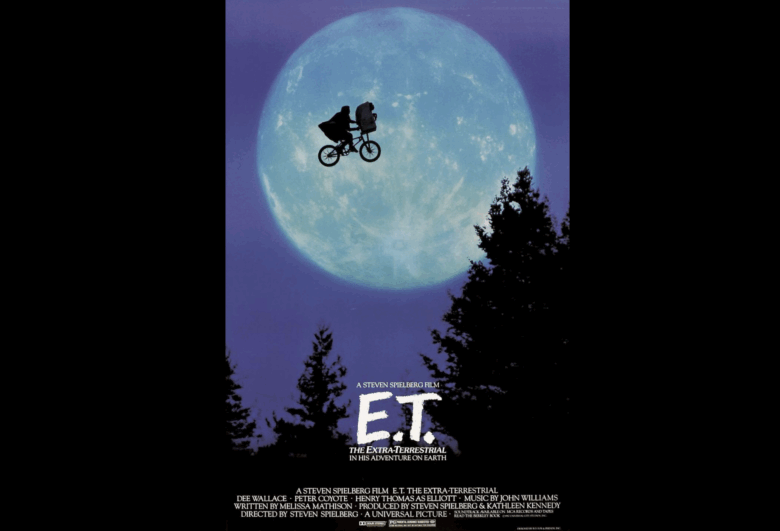
Movie posters with the classic ’80s font
Movie posters featuring the classic 1980s font treatments used distinctive typography that emphasized adventure, excitement, and technological sophistication through metallic effects, dramatic shadows, and futuristic styling. Films like The Goonies, Back to the Future, and E.T. created instantly recognizable visual identities through their poster designs, which combined compelling imagery with fonts that conveyed both nostalgia and innovation. These posters adorned bedroom walls and video store displays, creating visual landscapes that reinforced the decade’s aesthetic preferences.
The typography choices for 1980s movie posters reflected broader design trends that embraced computer graphics, chrome effects, and bold geometric shapes that suggested technological advancement and optimism about the future. The poster designs often featured gradients, lens flares, and other visual effects that were cutting-edge for their time, creating marketing materials that felt as innovative as the movies they promoted. The enduring appeal of these poster designs has influenced contemporary graphic design, creating a recognizable visual vocabulary that immediately evokes the decade’s cultural atmosphere and aesthetic sensibilities.

TV theme songs
Television theme songs from shows like The A-Team, Miami Vice, and Saved by the Bell created instant recognition through memorable melodies that combined synthesizers, drums, and dramatic musical arrangements, capturing each show’s energy and tone. These musical introductions became cultural touchstones that could transport listeners back to specific times and places with just a few notes. The elaborate opening credit sequences that accompanied these themes created mini-movies, establishing characters, settings, and moods before the episodes even began.
The production values of 1980s television themes reflected the decade’s embrace of synthesizer technology and dramatic musical arrangements that emphasized excitement and adventure through electronic instruments and bold orchestrations. Many theme songs became hit singles in their own right, crossing over from television soundtracks to achieve radio play and create multimedia entertainment experiences. The memorable nature of these themes contributed to show loyalty and cultural impact, as viewers could instantly identify programs and recall associated memories through musical cues that became permanently embedded in popular consciousness.

Music cassettes and mixtapes
Music cassettes and mixtapes represented both technological convenience and creative expression, as the ritual of recording favorite songs from radio broadcasts required patience, timing, and a willingness to accept occasional interruptions from the disc jockey. The flimsy plastic cases and handwritten labels created personal archives of musical preferences, while the mechanical process of fast-forwarding and rewinding to find specific tracks made listening an active rather than passive experience. Creating mixtapes for friends became acts of friendship and romantic expression that required careful song selection and artistic arrangement.
The physical limitations of cassette tapes, including their tendency to tangle, stretch, or break, created ongoing maintenance relationships between listeners and their music collections that required tools like pencils for rewinding and storage techniques to prevent damage. The finite nature of tape capacity necessitated decisions about which songs deserved inclusion, while the linear format of cassettes made song order a critically important aspect of the listening experience. The decline of cassette culture coincided with the rise of CD technology. However, the personal and creative elements of mixtape creation have left a lasting impact on how people think about curating and sharing musical experiences.
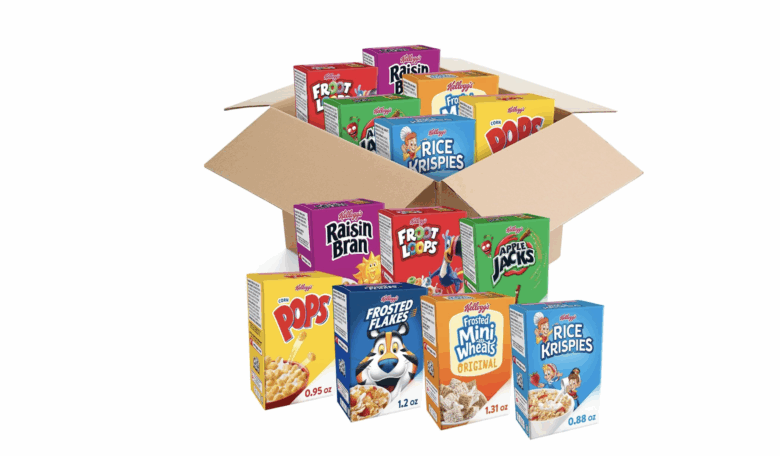
Lunchbox-sized cereal boxes
Lunchbox-sized cereal boxes provided individual servings that appealed to children through their miniature scale and variety pack assortments, which allowed for sampling different flavors without committing to full-sized boxes. These tiny containers created satisfying portion control while maintaining the excitement of cereal selection, and their compact size made them perfect for school lunches or camping trips. The colorful graphics and familiar mascots, scaled down to a smaller size, created a dollhouse-like appeal that made breakfast feel special and personalized.
The marketing genius of variety packs lies in their ability to introduce children to new cereal flavors while providing parents with portion control and convenience for packed lunches and travel situations. The individual boxes became collectible items and a form of trading currency among children, who would negotiate exchanges based on cereal preferences and rarity. The environmental impact of excessive packaging in individual servings became a later concern. However, the nostalgic appeal of tiny cereal boxes continues to evoke memories of childhood breakfast experiences and the simple pleasure of having personal-sized portions of favorite foods.
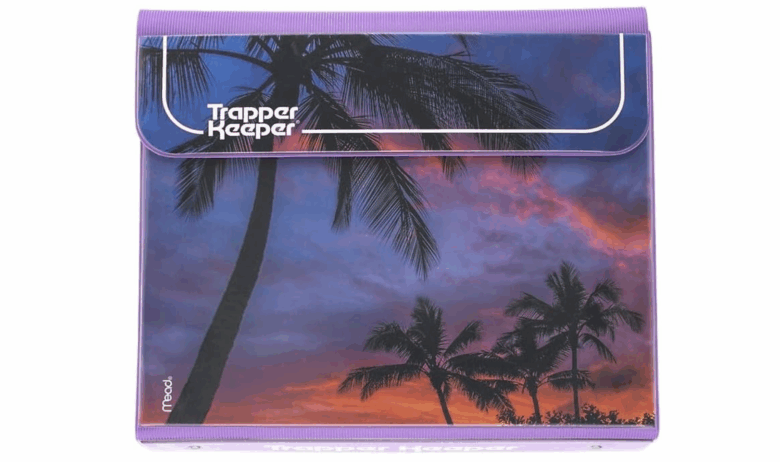
The Trapper Keeper
The Trapper Keeper revolutionized school organization through its distinctive Velcro closure sound, bright geometric patterns, and internal filing system, which promised to transform chaotic student life into ordered efficiency. These bulky binders became status symbols that reflected personal style through their cover designs while providing practical solutions for managing multiple subjects and assignments. The satisfying snap of the Velcro and the distinctive plastic smell created sensory associations that immediately evoke memories of classroom environments and academic aspirations.
The Trapper Keeper’s success stemmed from its combination of practical organization features with appealing visual designs that made school supplies feel like personal accessories rather than boring necessities. The three-ring binder system, with color-coded folders and the fold-over design that protected contents from spills and damage, addressed real student needs while creating products that children actually wanted to own and use. The brand’s marketing campaigns and product variations created collecting behaviors among students who sought the latest designs and features to express their personalities through school supplies.
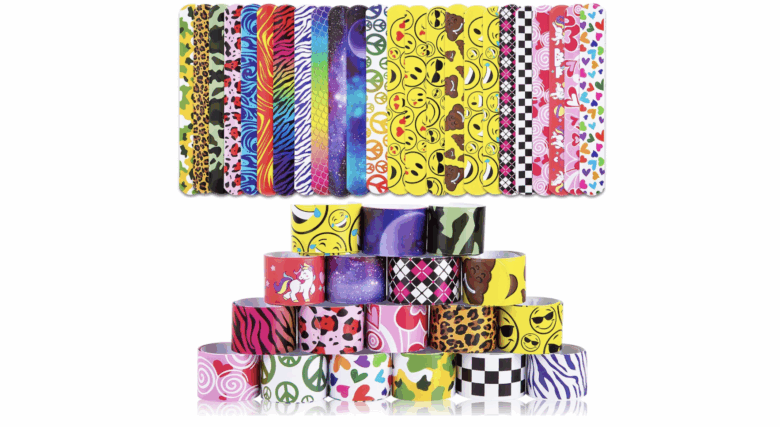
Slap bracelets
Slap bracelets provided instant gratification through their spring-loaded mechanism that transformed straight metal strips into curved wristbands with a simple slapping motion against the arm. These accessories came in countless colors and patterns, allowing for personal expression while providing tactile entertainment through repeated application and removal. The metallic snapping sound and the surprising transformation from rigid strip to curved bracelet created satisfying interactions that made them irresistible fidget toys.
The popularity of slap bracelets demonstrated how simple mechanical innovations could create widespread cultural phenomena, as the novelty of the snapping transformation provided entertainment value beyond mere decoration. The eventual safety concerns about sharp metal edges and the tendency of the fabric covering to tear led to restrictions in many schools, creating a forbidden fruit appeal that only increased their desirability. The brief but intense popularity of slap bracelets exemplifies how playground fads could sweep through schools and create shared experiences that defined particular moments in childhood culture.
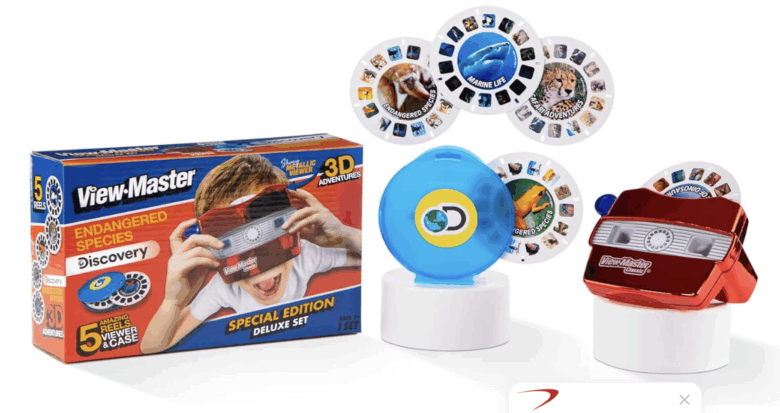
The cardboard View-Master
The View-Master created magical viewing experiences through its distinctive red plastic viewer and circular reels that contained stereoscopic images viewed by advancing through each frame with satisfying clicking sounds. The three-dimensional effect created by the dual-lens system made flat photos appear to have depth and dimension, transforming simple photographs into immersive experiences. The mechanical precision of the advancing mechanism and the anticipation of each new image created ritualistic viewing experiences that felt both educational and entertaining.
The View-Master’s educational potential was realized through reels featuring travel destinations, nature scenes, and story adaptations that provided virtual experiences of distant places and concepts. The tactile nature of inserting reels, adjusting the viewer, and manually advancing through images created hands-on learning experiences that engaged multiple senses simultaneously. The durability of the plastic viewers and the collectible nature of reel sets created long-lasting entertainment value that could be revisited repeatedly, making View-Masters prized possessions that provided reliable entertainment without requiring batteries or external power sources.

The smell of a Blockbuster Video Store
The smell of Blockbuster Video stores combined plastic, carpet, and a distinctive retail environment scent that immediately transported visitors into weekend entertainment selection mode. This unique olfactory experience became deeply associated with the excitement of choosing movies for family viewing, the disappointment of finding popular titles already rented, and the social ritual of browsing through multiple sections to find acceptable alternatives. The physical layout of stores, with their distinctive blue and yellow color scheme, created environments that felt both commercial and community-oriented.
The sensory experience of Blockbuster stores extended beyond smell to include the visual impact of thousands of VHS and DVD cases lining the walls, the tactile experience of handling movie boxes, and the social interactions with staff and other customers during the selection process. The Friday night rush to secure popular new releases created competitive atmospheres where timing and persistence determined viewing options for the weekend. The eventual decline and disappearance of Blockbuster stores eliminated a shared cultural experience that had defined entertainment selection for an entire generation, leaving only nostalgic memories of the distinctive environment and selection rituals.
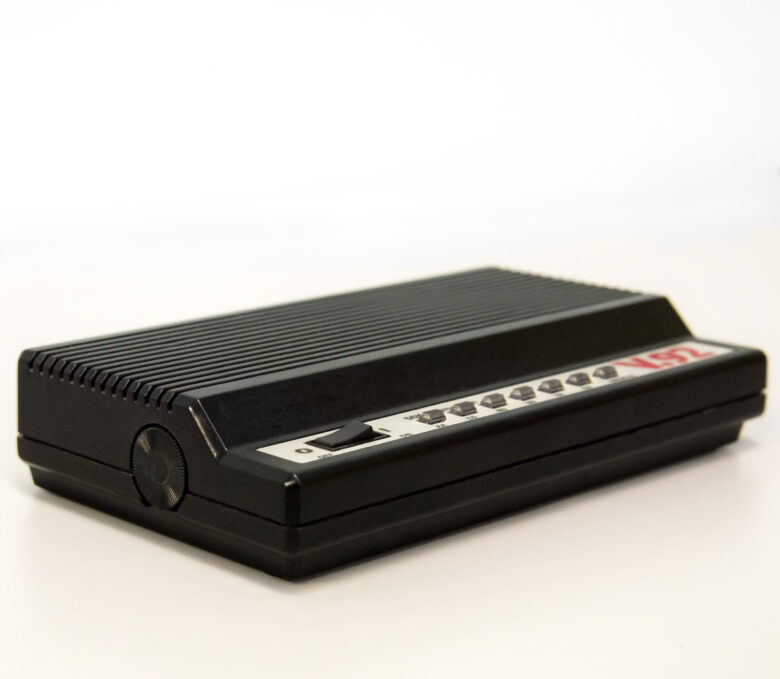
The sound of a dial-up modem
The sound of dial-up modem connections represented the gateway to early internet experiences, marked by a series of electronic beeps. These static, and mechanical noises announced a successful connection to online worlds. These audio signatures became deeply familiar to early internet adopters who learned to interpret different connection sounds as indicators of success or failure. The anticipation and uncertainty of whether connections would succeed created suspenseful moments that made internet access feel precious and technologically remarkable.
The distinctive sequence of tones, static bursts, and electronic handshakes created a technological ritual that marked the transition from offline to online states, with successful connections providing satisfaction and failed attempts requiring patience and multiple attempts. The acoustic nature of modem communication meant that internet access came with audible confirmation of technological processes that remained invisible in later broadband connections. The shared experience of waiting through connection attempts and celebrating successful online access created shared technological memories for early internet users who appreciated the complexity and achievement represented by successful digital communication.

Conclusion
These distinctive elements of 1980s childhood and adolescence shaped generational experiences through their combination of technological innovation, bold aesthetic choices, and social rituals that created shared cultural references lasting decades beyond the decade itself. The objects, sounds, smells, and experiences that defined this era represent a unique moment when analog technology reached its pinnacle of sophistication. At the same time, digital innovations began to emerge, creating a fascinating blend that feels both nostalgic and revolutionary.
The decade of big hair, big music, and even bigger technological dreams created lasting memories through daily interactions with tools and objects that required patience, skill, and creativity to master fully. Check out our other nostalgia articles here at MediaFeed to discover more fascinating stories about how different decades have shaped American culture and created the shared experiences that define generational identity.
Related:
Like MediaFeed’s content? Be sure to follow us.
This article was syndicated by MediaFeed.org.