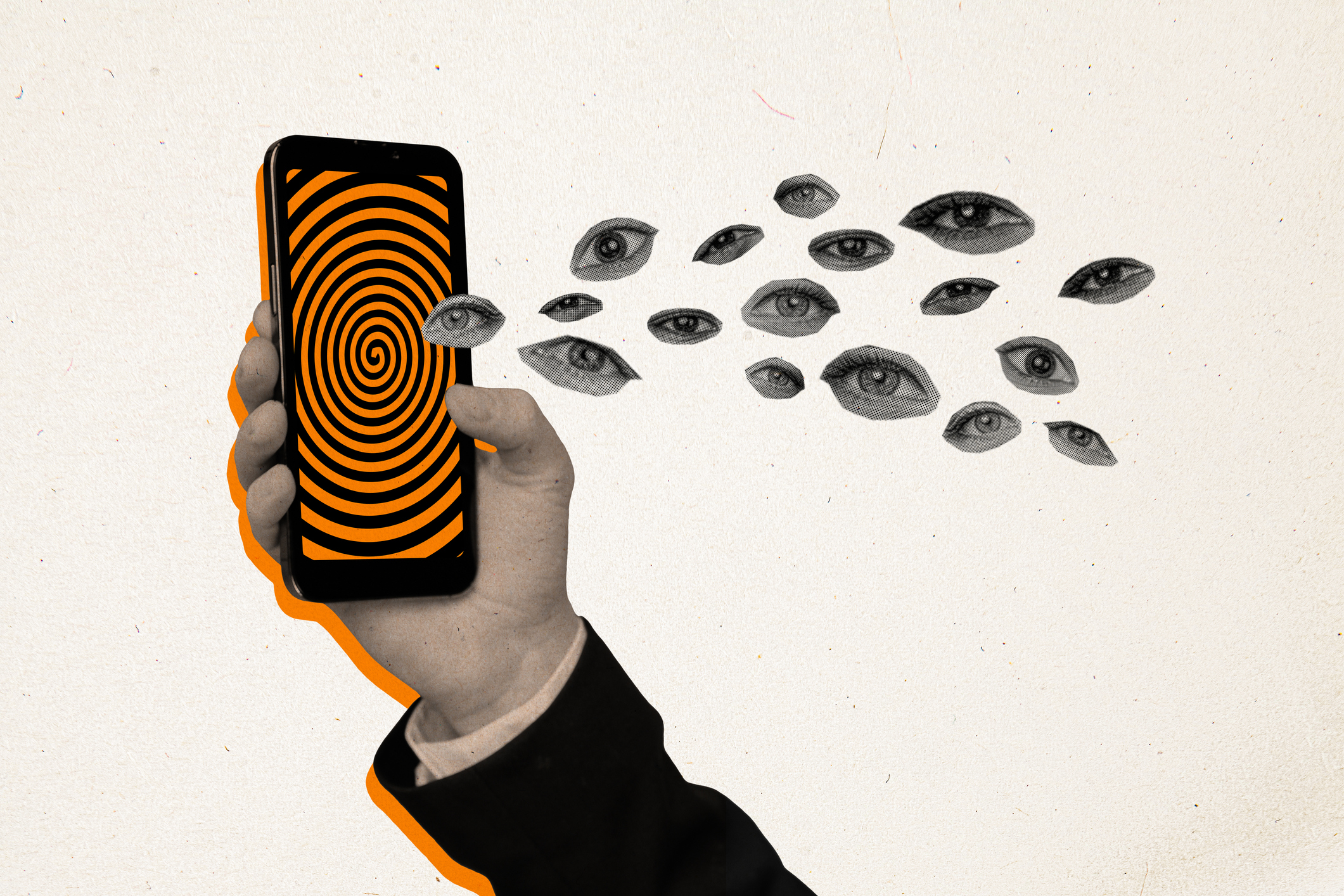
The secrets your smartphone knows about you (that you don’t)
Smart homes promise effortless living at the touch of a button or the sound of your voice, marketed as the inevitable future of convenient domestic life. Technology companies paint vivid pictures of homes that anticipate your needs, adjust themselves automatically, and respond to your every command with seamless precision. The marketing materials show families effortlessly controlling everything from lighting to temperature with simple voice commands, suggesting that automation will revolutionize how we interact with our living spaces.
Unfortunately, the reality for many homeowners tells a drastically different story filled with technical glitches, security vulnerabilities, and devices that create solutions for problems that never actually existed. Instead of streamlined convenience, many discover a complicated web of incompatible systems, hidden costs, and privacy concerns that transform their homes into sources of frustration rather than comfort. The promise of technological harmony often gives way to the reality of constant troubleshooting and expensive upgrades.
This exploration will expose the fundamental flaws underlying the modern smart home concept and identify specific devices that represent not only unnecessary expenses but also genuine wastes of money, time, and personal privacy. Understanding these pitfalls can help you make informed decisions about which technologies genuinely enhance your life versus those that merely add complexity without providing meaningful benefits.

The maps of your life: location data
Your smartphone creates a minute-by-minute geographic diary of your existence through a sophisticated combination of GPS satellites, cellular tower triangulation, and Wi-Fi network mapping. This location tracking system operates continuously, even when you’re not actively using navigation apps, building an exact record of everywhere you’ve been. The technology works by constantly pinging nearby cell towers, connecting to familiar Wi-Fi networks, and maintaining GPS coordinates that can pinpoint your location within a few meters.
From this seemingly simple location data, your phone makes remarkably accurate inferences about your personal life. The device identifies your home address by recognizing where you spend nighttime hours consistently, determines your workplace through weekday morning-to-evening patterns, maps your daily commute routes, and catalogs your favorite restaurants, shops, and recreational locations. These behavioral patterns become so predictable that your phone can anticipate your movements and suggest optimal departure times for regular destinations.
The commercial applications of this location intelligence extend far beyond personal convenience. Retailers utilize in-store Wi-Fi networks and Bluetooth beacons to track customer movement patterns within their establishments, analyzing which sections attract the most foot traffic, how long shoppers linger in specific areas, and which product displays generate the most engagement. This information directly influences store layouts, product placement strategies, and targeted promotional campaigns.
Your location data becomes the foundation for sophisticated behavioral profiling used in targeted advertising, urban planning initiatives, and predictive analytics that can forecast everything from traffic patterns to consumer spending habits. Companies purchase this anonymized yet highly specific location information to build detailed demographic profiles of neighborhoods, shopping districts, and entertainment venues, creating valuable insights that drive business decisions across multiple industries.

The digital diary: your behavioral footprint
Every interaction with your smartphone generates behavioral data that companies analyze to understand user preferences, optimize app performance, and develop increasingly effective engagement strategies. Your device meticulously tracks which applications you open, how frequently you use them, how long each session lasts, and precisely which features you access within each app. This comprehensive usage monitoring creates detailed profiles of your digital habits and personal interests.
Clickstream analysis represents one of the most revealing aspects of behavioral tracking, as it records every tap, swipe, scroll, and pause you make while using apps or browsing websites. Technology companies utilize this granular behavioral data to pinpoint user pain points, refine app interfaces, and implement features designed to increase engagement and retention. The analysis reveals not just what you do, but how you think and make decisions in digital environments.
Your search queries and browsing history provide the most intimate glimpse into your thoughts, concerns, and interests. Search engines and web browsers compile comprehensive records of every topic you investigate, every product you research, and every question you ask online. This information builds detailed profiles encompassing your political beliefs, health concerns, financial situation, relationship status, and consumer preferences, creating a psychological portrait more accurate than many people have of themselves.
Communication metadata offers another layer of behavioral insight through analysis of your call logs, text messaging patterns, and social media interactions. Your phone tracks who you communicate with most frequently, the duration and timing of conversations, the frequency of your messaging, and the emotional tone of your communications. This data reveals your social network structure, relationship priorities, and communication style, providing valuable insights that extend far beyond the actual content of your conversations.
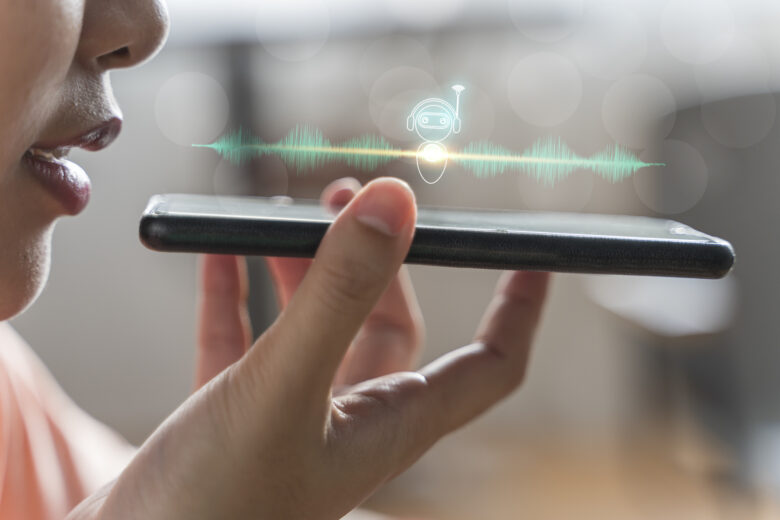
The unseen senses: sensor and biometric data
Modern smartphones contain sophisticated sensor arrays that continuously monitor your physical activities and environmental conditions, generating streams of data about your daily movements, health patterns, and surrounding environment. The accelerometer and gyroscope work together to detect whether you’re walking, running, driving, cycling, or even if you’ve experienced a fall, creating detailed activity logs that reveal your fitness levels, transportation preferences, and daily routines.
Your phone’s microphone and camera present significant privacy concerns, as applications requesting access to these sensors can monitor your environment even when they are not actively in use. Music identification apps demonstrate legitimate uses for ambient audio monitoring. The same technology could theoretically detect conversations, television programs, or environmental sounds that reveal personal information about your activities and location.
Biometric data collection represents the most personally sensitive information your smartphone gathers, including fingerprint scans, facial recognition patterns, and voice prints used for device security and user authentication. Advanced security protocols typically store this biometric information in encrypted hardware enclaves, separated from other device data. However, the mere existence of such detailed biological identifiers raises essential questions about data security and potential misuse.
Environmental sensors within your smartphone can detect air pressure changes, ambient light levels, proximity to other devices, and even magnetic field variations, providing additional context about your surroundings and activities. This sensor fusion creates remarkably detailed pictures of your daily life, from the specific rooms you occupy in your home to the types of venues you visit throughout your day. Smartphone sensor data has become increasingly valuable for health monitoring, behavioral analysis, and location verification purposes.
Why it all matters
The vast quantities of personal data your smartphone collects represent far more than convenient features or personalized services. They constitute a valuable commodity traded among advertisers, data brokers, marketing companies, and analytics firms. Technology companies monetize your information by selling detailed consumer profiles to businesses seeking to target specific demographics, creating revenue streams that often exceed the profits from device sales themselves.
Privacy risks associated with comprehensive data collection extend beyond targeted advertising into serious concerns about identity theft, sophisticated scam operations, and potential surveillance by government agencies or malicious actors. Seemingly anonymous data can often be de-anonymized through cross-referencing with other datasets, allowing determined parties to identify specific individuals and their personal habits, relationships, and vulnerabilities.
The aggregation of location data, behavioral patterns, and personal preferences creates detailed profiles that could be used for discriminatory purposes in employment, insurance, or financial services decisions. Moreover, data breaches affecting companies that purchase and store your information could expose intimate details about your life to criminals, foreign governments, or other entities with harmful intentions.
Understanding these risks empowers you to make informed decisions about your digital privacy and take concrete steps to protect your personal information. The data your smartphone collects belongs to you, and you have both the right and the responsibility to control how it’s gathered, stored, and shared with third parties.

Conclusion
Taking control of your smartphone’s data collection requires active engagement with your device’s privacy settings and a commitment to regularly reviewing and updating your preferences. Start by scrutinizing app permissions, limiting location access to applications that genuinely require it for core functionality, and disabling microphone and camera access for apps that don’t need these capabilities. Turn off location services for social media apps, games, and other non-essential applications that could be tracking your movements unnecessarily.
Implement additional privacy protections by using virtual private networks (VPNs), especially when connecting to public Wi-Fi networks. Regularly review your phone’s advertising identifier settings to limit targeted marketing based on your personal data. Consider using privacy-focused web browsers and search engines that don’t track your online activities, and periodically audit the apps installed on your device to remove those you no longer use or trust.
Your digital privacy represents one of the most valuable assets you possess in our increasingly connected world. By becoming an informed consumer who understands how personal data is collected, used, and monetized, you can make conscious choices about the trade-offs between convenience and privacy. The power to protect your digital shadow ultimately rests in your hands. Use it wisely. Check out our other technology privacy guides here at MediaFeed to discover more strategies for safeguarding your personal information in the digital age.
Related:
- 10 retro tech gadgets we loved (& still miss)
- How to find everything you need without getting scammed
Like MediaFeed’s content? Be sure to follow us.
This article was syndicated by MediaFeed.org.