The 15 things your house is crying out for you to throw away (but you keep ignoring)
Every time you open that kitchen drawer crammed with random utensils you never use, or catch a glimpse of those jeans from three sizes ago hanging in your closet, your home is sending you a message that something needs to change. The feeling of being overwhelmed by possessions that serve no purpose except to create visual clutter and mental stress has become so common that most people accept it as usual rather than recognizing it as a solvable problem. That vague anxiety you feel when looking for something in an overstuffed cabinet or trying to relax in a room filled with items you neither need nor particularly like represents your living space begging for relief from unnecessary burdens.
Our homes accumulate possessions over years and decades, with each item seeming too insignificant to bother discarding until the collective weight of hundreds of small, unnecessary things creates overwhelming clutter that affects daily life and mental well-being. The excuse that you might need something someday has allowed broken items, expired products, and outdated belongings to claim valuable space that could serve current needs rather than hypothetical future scenarios that rarely materialize. Letting go of these burden-creating possessions can lead to a more peaceful and organized living environment, where you can actually find what you need and enjoy the space you pay to inhabit.
This article identifies fifteen common culprits of household clutter that people routinely overlook despite their negative impact on daily life and home organization. These items are easy to discard once you recognize their presence and understand that keeping them serves no practical purpose while contributing to the stress and disorganization that diminishes quality of life. Making the conscious decision to remove unnecessary possessions creates immediate improvements in both physical space and mental clarity, making everyday activities easier and more enjoyable.
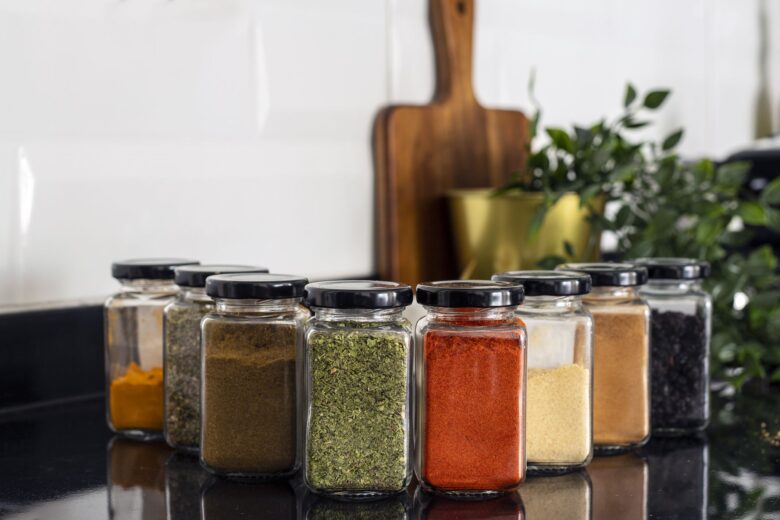
Expired spices
Spices lose their potency and flavor after about one to three years depending on the type, transforming from aromatic flavor enhancers into dusty colored powders that add nothing to your cooking except disappointment. Those little jars taking up valuable cabinet space contain compounds that have broken down chemically, leaving you with ingredients that cannot deliver the taste results recipes expect or your dishes deserve. The irony of keeping expired spices is that they prevent you from buying fresh versions because you think you already have what you need, leading to bland meals that could have been delicious with properly potent seasonings.
Testing your spices is simple: crush a small amount between your fingers and smell it closely to determine whether it still has the intense aroma that indicates usable flavor compounds remain active. Any spice that smells musty, weak, or like nothing at all should be discarded immediately and replaced with fresh versions that will actually enhance your cooking rather than occupying space while providing no culinary value. The cabinet space freed by removing expired spices can be reorganized to make remaining fresh spices easily accessible, improving your cooking efficiency and meal quality while eliminating the frustration of reaching for seasonings that cannot deliver expected results.
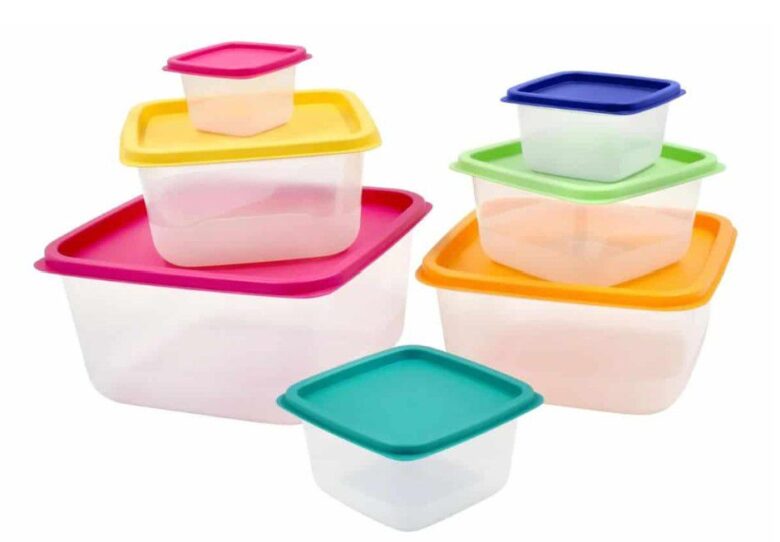
Mismatched food storage containers
The pile of lids without matching bottoms and containers without corresponding covers creates daily frustration every time you try to store leftovers or pack lunches, wasting time searching for matches that don’t exist. At the same time, perfectly good food goes to waste due to immediate storage needs. These orphaned pieces multiply mysteriously in cabinets, creating avalanches when doors are opened, and making it impossible to find the complete sets you actually need when preparing meals or cleaning up after dinner. The mental energy spent trying to force mismatched lids onto wrong-sized containers or convincing yourself that you’ll eventually find the missing pieces could be better spent on literally any other activity.
Taking ten minutes to match every container with its proper lid reveals the shocking truth about how many incomplete sets are wasting valuable kitchen storage space that could hold items you actually use regularly. Any container without a matching lid should be repurposed for organizing non-food items, such as screws, buttons, or craft supplies. Conversely, lids without containers should be placed directly into recycling bins without hesitation. Investing in a single matching set of quality storage containers creates a cohesive system where everything fits together properly, making meal prep and food storage efficient rather than frustrating while freeing up cabinet space for items that actually contribute to functional kitchen organization.
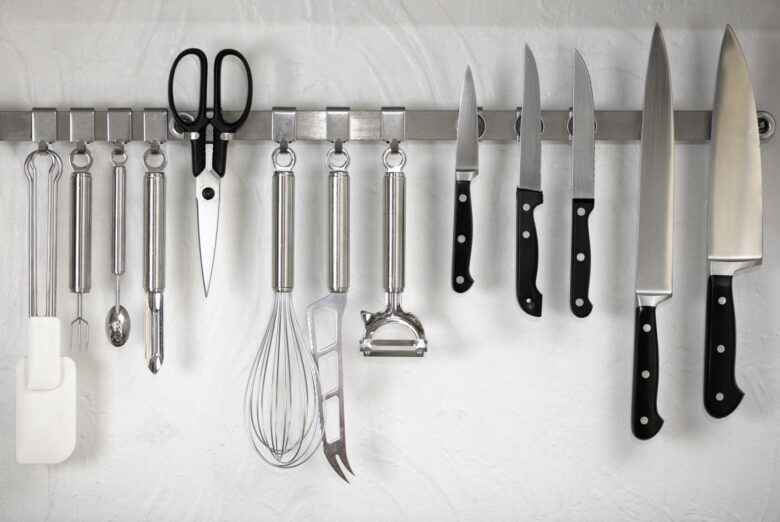
Single-use kitchen gadgets
That avocado slicer gathering dust in the back of your utensil drawer represents money wasted on solving a problem that a regular knife handles perfectly well, with greater versatility for countless other kitchen tasks. The banana stand, egg separator, strawberry huller, and other specialized tools that seemed clever in the store have been used once or twice before being relegated to forgotten corners, where they occupy space while providing no actual utility for your cooking routine. These gadgets promise to save time or effort but actually create more work through the need to store them, clean them, and dig through them to find the everyday tools you really need.
Evaluating each kitchen gadget honestly, based on actual usage rather than hypothetical scenarios, reveals that most specialized tools are entirely unnecessary for people who can perform the same tasks more efficiently with versatile, basic equipment like good knives, wooden spoons, and standard measuring cups. Any gadget you haven’t used in the past six months should be donated to someone who might actually find it helpful, while you reclaim drawer space for the tools that earn their storage space through regular contributions to daily cooking. The freedom of opening a utensil drawer and immediately finding what you need without sorting through unnecessary gadgets makes cooking more enjoyable while eliminating the guilt of owning expensive tools that serve no practical purpose in your actual kitchen routine.
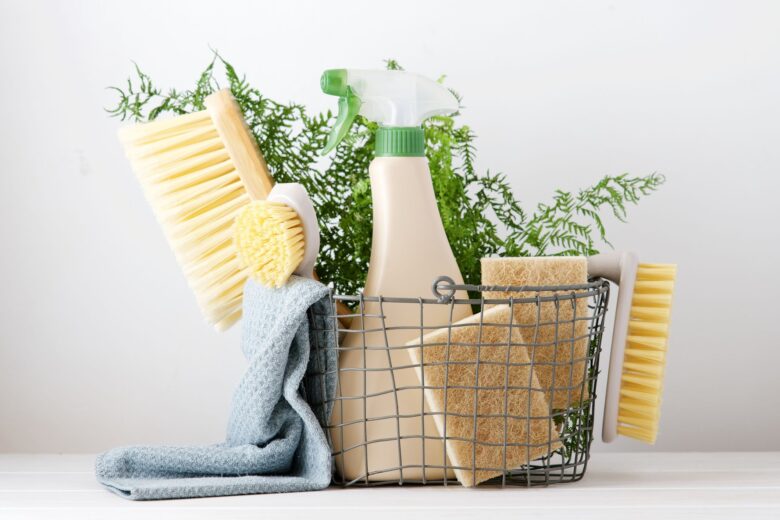
Worn-out dish towels and sponges
Those stained, threadbare dish towels that have lost their absorbency but continue to occupy drawer space represent a false economy, where you keep using ineffective cleaning tools rather than spending a few dollars on replacements that actually work correctly. Old sponges become breeding grounds for bacteria after a few weeks of use, spreading germs across supposedly clean dishes and countertops, while their deteriorating structure renders them increasingly ineffective at their basic cleaning function. The mental burden of knowing your cleaning supplies are inadequate creates low-level stress every time you wash dishes or wipe counters, making routine tasks more unpleasant than necessary.
Replacing worn-out cleaning supplies with fresh towels and new sponges transforms dishwashing from a frustrating chore into an efficient task where your tools actually perform their intended functions effectively. The old towels can be repurposed as garage rags or donated to animal shelters, where their remaining utility can be maximized before they are finally disposed of. In contrast, old sponges should go directly into the trash without hesitation. Establishing a regular replacement schedule for cleaning supplies ensures you always have practical tools that make household tasks easier while eliminating the visual clutter of deteriorating items that should have been discarded months ago.

Old, stretched-out hair ties
That drawer full of hair ties, which have lost their elasticity, represents dozens of failed attempts to create secure hairstyles. With each stretched-out band requiring multiple wraps, this creates uncomfortable tension that does not effectively hold the hair in place. These worn-out accessories snap unexpectedly, slip out of carefully arranged styles, and cause daily frustration that could be eliminated by spending a couple of dollars on fresh hair ties that actually function as intended. The accumulated pile of useless bands creates visual clutter in drawers while preventing you from quickly finding the few remaining functional ties that can create secure, comfortable hairstyles.
Sorting through your hair tie collection and discarding any that show signs of stretching, cracking, or metal fatigue takes only minutes but dramatically improves your morning routine by ensuring every hair tie you reach for actually works as intended. The freed drawer space can be reorganized with dividers that keep remaining functional ties easily accessible, rather than tangled together in a frustrating mass that wastes time every morning. Maintaining a small collection of quality hair ties that are replaced regularly costs less than you think while eliminating daily frustration and creating a more organized personal care routine.

Hotel toiletries
Those tiny bottles of generic shampoo and conditioner, collected from various hotels, have been gathering dust in bathroom cabinets since your last vacation, creating visual clutter while providing no actual utility, as you already have preferred full-sized products that work well for your hair type. The guilt of throwing away seemingly valuable items keeps these miniature bottles occupying prime storage space that could hold products you actually use regularly and enjoy. These travel-sized toiletries often contain formulas that don’t match your hair or skin needs, meaning they would likely disappoint even if you did decide to use them rather than your preferred products.
Donating unopened hotel toiletries to homeless shelters or women’s shelters allows these products to serve people who genuinely need them while freeing up your bathroom storage for items that actually contribute to your daily routine. Any opened or expired hotel products should be discarded immediately, as they pose potential health risks and offer no practical value, making them unworthy of the storage space they occupy. The mental relief of opening a bathroom cabinet and seeing only products you actually use and enjoy makes your daily routine more pleasant while eliminating the visual noise of unnecessary items that create subconscious stress every time you open storage areas.

Expired sunscreen and makeup
Sunscreen loses its protective properties after its expiration date, transforming from essential skin protection into a useless lotion that provides false security while allowing dangerous UV exposure, which can lead to skin damage and an increased risk of cancer. Makeup products can harbor bacterial growth over time, while chemical compounds break down, leading to skin irritation, infections, and disappointing application results that can actually make you look worse rather than enhancing your natural features. Keeping expired cosmetic products poses a genuine health hazard, as they can cause severe skin problems, while occupying valuable bathroom storage space that could be used to hold fresh, effective products.
Checking expiration dates on all sunscreen and cosmetic products should become a quarterly ritual where you systematically remove anything past its safe usage period before it can cause skin problems or provide inadequate sun protection. The financial loss of discarding expired products is minimal compared to the potential medical bills resulting from skin infections, sun damage treatment, or cosmetic dermatology needed to repair damage caused by contaminated makeup. Maintaining a smaller collection of fresh, effective products creates a more enjoyable beauty routine, ensuring that everything in your bathroom actually works as intended rather than posing health risks.

Single socks
The collection of single socks, waiting hopefully for their missing partners to return from the dryer, has been occupying drawer space for months or years while you continue to hope that miraculous reunions will somehow occur. These lonely socks create visual clutter, make finding matching pairs more difficult, and represent a false economy where you keep unusable items rather than accepting the loss and moving forward. The mental energy spent sorting through orphaned socks every time you need to get dressed could be better used for literally anything else, from enjoying your morning coffee to planning your day.
Accepting that missing socks are truly gone allows you to repurpose their surviving partners as cleaning rags, pet toys, or donation items for craft projects where their solo status doesn’t matter. The drawer space freed by removing unmatched socks can be reorganized to make finding actual pairs easier, while creating a more visually pleasing storage system that simplifies the dressing process. Establishing a regular sock purge as part of seasonal clothing rotation ensures you maintain only functional pairs while eliminating the frustration of sorting through items that serve no practical purpose in your wardrobe.

Clothes that don’t fit
Those jeans from three sizes ago hanging in your closet serve only as daily reminders of body changes while occupying valuable space that could hold clothing that actually fits your current body and makes you feel confident and comfortable. The emotional burden of keeping aspirational clothing creates unnecessary negative feelings every time you open your closet, transforming what should be a simple act of getting dressed into a moment of self-criticism and regret. These ill-fitting garments prevent you from building a functional wardrobe of clothes that actually work for your current lifestyle and body, keeping you stuck in a cycle of having nothing to wear despite a full closet.
Removing clothes that don’t fit creates immediate mental relief by eliminating daily reminders about body changes while freeing up closet space for items that actually contribute to your current wardrobe needs. Donating or consigning these items allows them to bring joy to someone whose body they actually fit, rather than serving as a reminder of guilt in your closet. Building a smaller wardrobe of clothes that fit well and make you feel good creates a more functional closet where every item is actually wearable, making getting dressed easier and more enjoyable.
Worn-out shoes
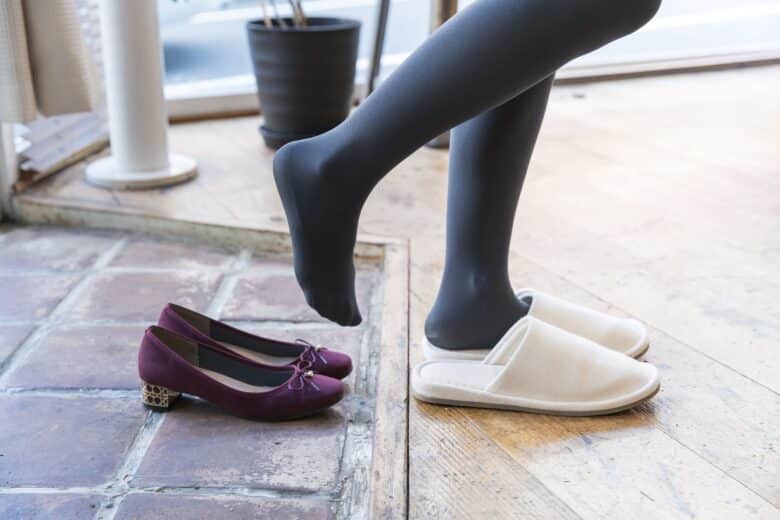
Sneakers with holes in the soles or heels, or those with broken straps beyond repair, represent safety hazards that could cause falls or foot injuries while occupying valuable closet floor space that could hold shoes you actually enjoy wearing. These deteriorating shoes create visual clutter in entry areas and closets while providing no practical value since you haven’t worn them in months, precisely because they’re no longer functional or comfortable. The reluctance to discard worn-out shoes often stems from their original cost rather than any remaining utility, keeping you anchored to past purchases rather than focusing on current needs.
Evaluating every pair of shoes based on their current wearability, rather than the original purchase price, reveals how many are truly beyond repair and should be discarded immediately to prevent potential injuries from structural failures. Any shoes with damaged soles, broken straps, or extreme wear should be disposed of, regardless of their sentimental value. Meanwhile, shoes in good condition that simply don’t fit your current lifestyle can be donated to help others. Maintaining a smaller collection of comfortable, well-maintained shoes that you actually wear regularly creates a more functional footwear wardrobe, while eliminating the visual clutter of deteriorating items that serve no purpose except to occupy storage space.

Free T-shirts
The collection of promotional shirts from corporate events, 5K races, and business giveaways has been taking up drawer space. At the same time, you continue to wear your favorite, comfortable shirts that actually fit well and look presentable in public. These free shirts often feature logos for companies you don’t care about, commemorate events you barely remember, or sport designs that don’t match your personal style, making them completely unwearable except as last-resort pajamas or painting clothes. The guilt of discarding free items keeps these shirts occupying prime storage space that could hold clothing you actually choose to wear rather than items you feel obligated to keep.
Evaluating whether you would purchase each promotional shirt if it appeared in a store reveals that most are worth precisely what you paid for them: nothing beyond their role as marketing materials that have served their promotional purpose. Any free shirts you haven’t worn in the past year should be donated to textile recycling programs or homeless shelters where they can serve people who genuinely need basic clothing. The drawer space freed by removing unwanted promotional shirts can be reorganized to make your actual wardrobe more accessible and easier to maintain.
Tangles of old cords and chargers
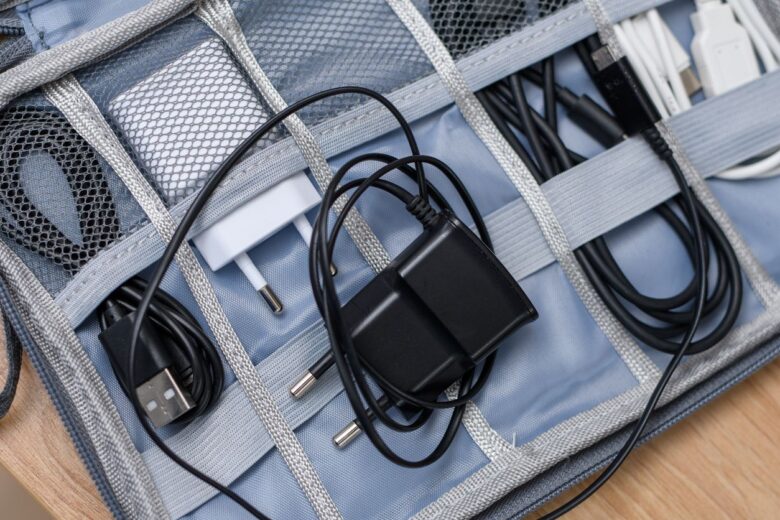
That box of mysterious cables with no clear purpose or identifiable devices they might connect to represents technological obsolescence taking up valuable storage space in closets, drawers, or home offices. These cord tangles create frustration every time you need to find a specific cable, requiring you to sort through dozens of outdated connectors for devices you no longer own or technology standards that newer, better options have replaced. The fear that you might someday need one of these mystery cords keeps you storing useless items, creating organizational chaos that makes finding the actual proper cables nearly impossible.
Taking the time to identify each cord and matching it to current devices reveals that most cables serve no purpose except to clutter your storage areas and hinder the efficient organization of the few cords you actually need regularly. Any cable that cannot be immediately matched to a current device should be disposed of through electronics recycling programs that can recover valuable materials while preventing environmental damage. Creating an organized cord storage system with labeled cables for devices you actually own makes technology management simpler while eliminating the visual and mental clutter of obsolete electronics accessories.

Half-used pens and dried-out markers
The drawer full of pens that skip, markers that have dried out, and writing implements that barely function creates daily frustration when you need to write something quickly and must test multiple options before finding one that actually works. These failed writing tools waste time, create unnecessary stress, and hinder your ability to organize your desk or office supplies in a functional manner, ultimately making work less efficient. The reluctance to discard seemingly valuable items keeps you sorting through dozens of useless pens rather than maintaining a small collection of quality writing implements that work reliably every time.
Testing every pen and marker in your collection by actually trying to write with them reveals the shocking truth about how many are completely useless and should be immediately discarded. Any writing implement that skips, requires excessive pressure, or has dried out completely should be disposed of directly into the trash or recycling without hesitation or guilt. Maintaining a small selection of quality pens and markers that are replaced when they run out creates a more efficient writing system while freeing up desk drawer space for items that actually contribute to productive work.

Old newspapers and magazines
The pile of unread periodicals growing in corners or on coffee tables represents information you’ll never consume while creating visual clutter that makes living spaces feel chaotic and disorganized. These aging publications contain news that’s no longer current and articles that can be accessed online if the information truly matters, making the physical copies serve no purpose except to occupy space and collect dust. The guilt of disposing of unread material keeps these piles growing despite the reality that you’ll never find time to read months-old magazines or yesterday’s newspapers.
Accepting that you won’t read outdated publications allows you to recycle them immediately, creating cleaner living spaces while eliminating the mental burden of incomplete tasks that will never be completed. Any periodical over a month old should be recycled without reading unless it contains specific information you’ve been actively using. At the same time, subscription reassessment might reveal that you’re paying for publications you don’t actually read. Creating a system where magazines are recycled after one month prevents pile accumulation while freeing up living space for current activities, rather than aspirational reading that never happens.
Chipped or broken decor
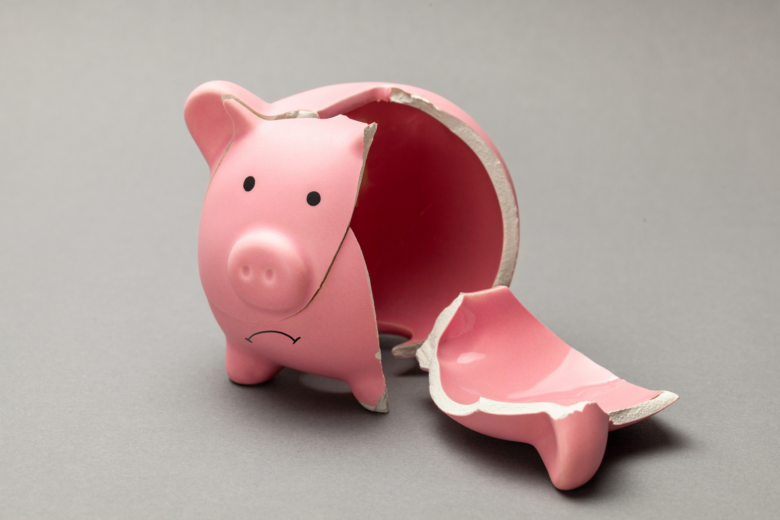
Those decorative items with chips, cracks, or missing pieces continue to occupy shelf space, despite no longer serving their aesthetic purpose, creating a visual distraction rather than enhancing your home’s appearance. The sentimental attachment to damaged decor causes you to display broken items that actually detract from your living space, rather than contributing to the pleasant environment you desire. These imperfect objects create subtle psychological stress every time you notice the damage, transforming items meant to bring joy into reminders of deterioration and incompleteness.
Evaluating every decorative item based on its current condition rather than its original sentiment reveals how many damaged pieces are actually diminishing your home’s aesthetic rather than enhancing it. Any decor with visible damage should be discarded or donated for craft projects, where the imperfections won’t matter. Meanwhile, intact pieces you simply no longer like can find new homes where they’ll be properly appreciated. Maintaining a smaller collection of decor that you genuinely love and is in perfect condition creates a more peaceful living environment, while eliminating visual distractions that can create subconscious stress.

Conclusion
These fifteen categories of unnecessary possessions create cumulative clutter that affects daily life far more than individual items might suggest, with the removal of each category providing immediate improvements in both physical space and mental clarity. The benefits of discarding these burden-creating items extend beyond simple organization to include reduced stress, increased efficiency, and genuine freedom from possessions that serve no purpose except occupying space and creating maintenance demands. A cleaner, more organized home emerges naturally when you stop allowing unnecessary items to claim valuable space that could serve current needs rather than hypothetical future scenarios.
Starting with just one or two categories from this list creates immediate relief that motivates continued decluttering while demonstrating how much better life becomes when you’re surrounded only by items that serve genuine purposes or bring actual joy. The mental clarity that comes from opening drawers and cabinets to find exactly what you need, without sorting through unnecessary items, makes daily tasks easier while creating a sense of control over your living environment. Check out our other home organization and decluttering articles here at MediaFeed, where we continue to explore practical strategies for creating peaceful, functional living spaces that support your actual lifestyle, rather than being overwhelmed by possessions that serve no real purpose.
Related:
- Pack like a pro: 16 must-haves to skip checking bags
- 7 grocery hacks that stores don’t want seniors to know
Like MediaFeed’s content? Be sure to follow us.
This article was syndicated by MediaFeed.org.