Can a Dry Scalp Cause Hair Loss?
If your scalp feels as dry as the Sahara and your comb is catching more hair strands than usual, you might be wondering, Is my dry scalp making me go bald?
The short answer? No. That said, the dryness likely isn’t contributing to healthy hair growth. While a dry scalp won’t directly cause hair to pack its bags and leave, the issue may encourage conditions that make shedding hair more likely.
So, for guys noticing flakes and hair thinning, it’s smart to get to the root of the issue. Below, learn about the possible connection between thinning hair and a dry scalp, plus what to do about it.
This article was reviewed by Lynn Marie Morski, MD, JD.
What is a Dry Scalp, Really?
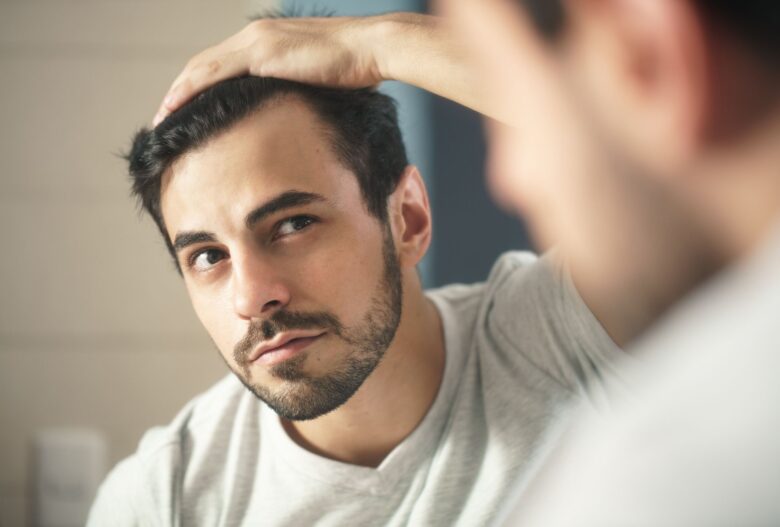
First, know that it’s super-common to experience an itchy or sensitive scalp from time to time. Some research suggests that 40 to 50 percent of people may deal with the issue.
When your scalp is dry, it typically means your skin is failing to produce enough sebum (its natural oils), which normally help it stay moisturized and happy.
A lack of sebum can eventually cause flaking and tightness that’s typically usually associated with an irritating itch.
Crucially, a dry scalp and dandruff aren’t necessarily the same. While dandruff is often caused by excess oil and a yeast imbalance, dry scalp is usually about a lack of moisture.
The latter situation can be triggered by myriad causes, including bouts of cold weather, over-washing your head, taking showers that are a little too hot, or using shampoos with harsh ingredients.
But can a dry scalp cause hair loss? Again, not directly, but there may be a connection.
Dry Scalp and Hair Loss: What’s the Connection?
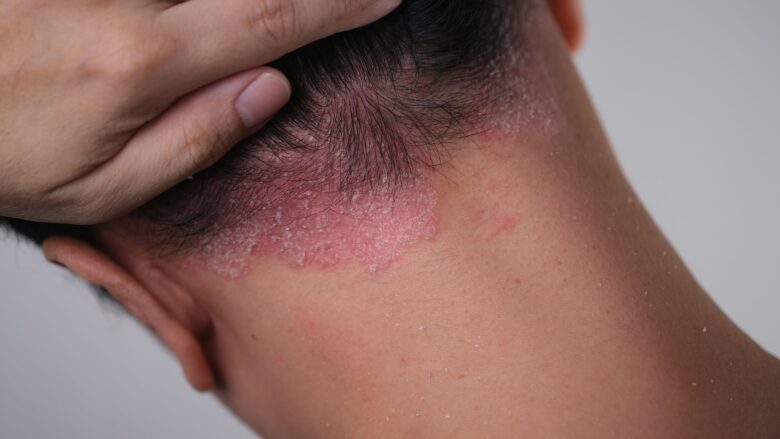
The relationship between having a dry scalp and hair loss isn’t direct, but more about how inadequate moisture at the follicle can mess with the environment your hair needs to thrive. Basically, the condition of your scalp is a major player in the condition of your hair.
It makes sense, too. When your scalp is dry and irritated, you’re probably scratching it more than normal, whether or not you’re consciously aware of doing so. An in-the-moment scratch may be satisfying, but it can also damage your hair follicles and weaken the strands down to the root level.
Left untreated, the inflammation and mechanical stress from scratching can lead to more breakage and even hair loss. This cycle may also shorten your hair growth cycle, potentially making it harder for new hairs to grow in as strongly, which can also contribute to temporary thinning or loss.

Scalp Conditions That Can Make It Worse
Sometimes a dry scalp isn’t just a matter of something situational, like nasty winter weather or over-washing. Rather, certain skin conditions can dry out your scalp and lead to flaking, inflammation, and maybe even hair loss.
Some of these conditions include:
-
Seborrheic dermatitis. Often mistaken for dandruff, seborrheic dermatitis is a common condition for guys that causes greasy flakes and redness from an overgrowth of Malassezia yeast on the scalp.
-
Psoriasis. Scalp psoriasis is an inflammatory autoimmune condition that triggers thick, silvery skin scales that can be itchy.
-
Eczema. Known to cause raw, itchy patches, scalp eczema can make you want to scratch until your hair gives up.
-
Atopic dermatitis. This chronic, inflammatory skin disorder often affects the scalp by contributing dryness and irritation that can cause flaking and discomfort. Having atopic dermatitis is also associated with alopecia areata, an autoimmune disease that causes patchy hair loss.
-
Ringworm (tinea capitis). Sometimes called scalp ringworm, this fungal infection creates circular bald patches, redness, and scaly skin, and it’s highly contagious if left untreated.
-
Actinic keratosis. These rough, scaly patches are caused by sun damage and can show up on the scalp, especially in balding men. If left untreated, they increase the risk of skin cancer and irritation on the scalp.
If you believe you might be dealing with one of these scalp conditions, or you notice redness, swelling, buildup, or scabbing, it’s time to visit a dermatologist to get an expert’s opinion.

7 Ways to Support Your Scalp and Protect Your Hair
If your scalp feels like it’s crying out for water, don’t worry, there are interventions that may restore moisture and protect your hair. Here are tips to turn things around:

1. Switch to a Gentle Shampoo
Sometimes, just adding a dandruff shampoo and calling it a day isn’t enough. Take inventory of your hair-care products and toss out the harsh ones.
Look for moisturizing or “hydrating” shampoos that are free of sulfates, parabens, and synthetic fragrances, and follow up with a good conditioner. While sulfates aren’t considered a direct cause of hair loss, the ingredient can be drying and potentially encourage damaged hair for some.
Gentler, sulfate-free formulas cleanse without stripping away your scalp’s natural oils.

2. Don’t Overwash (or Underwash) Your Hair
Contrary to popular belief, some research suggests that washing your hair less often isn’t necessarily beneficial.
However, we’re all different, and testing out fewer shampoos per week may be worth a shot. If you feel like the frequency of your hair-washing may be causing scalp dryness, try cleansing less often.

3. Use Scalp Oil or a Leave-In Moisturizer
Over-the-counter scalp oils like jojoba, argan, or coconut can nourish and hydrate the scalp. Apply a few drops directly to your scalp before bed or use a leave-in scalp treatment to lock in moisture and possibly reduce itchiness.
4. Turn Down Your Shower Temp, and Dry Gently
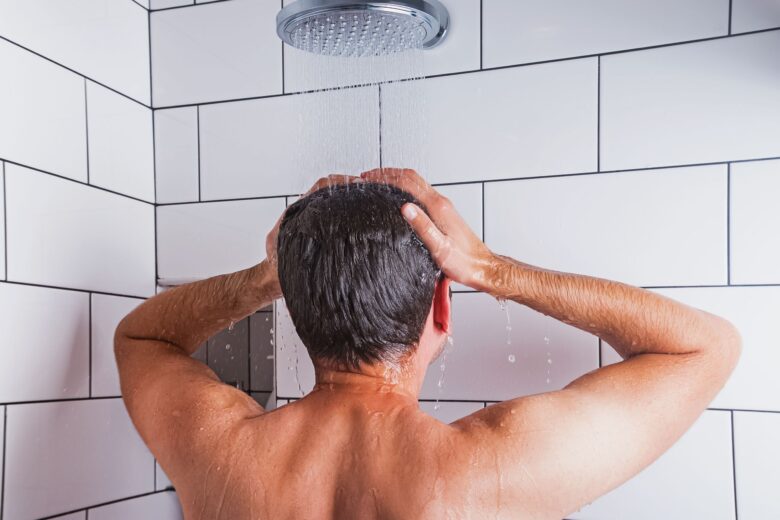
Hot water strips your skin and scalp of essential moisture. Opt for lukewarm water, and when you’re done, gently pat your hair dry with a towel instead of harshly rubbing it.

5. Soothe, Don’t Scratch
Itching can be brutal, but resist the urge to scratch. Use an anti-itch or soothing scalp serum with ingredients like aloe vera, tea tree oil, or chamomile. These can often help calm inflammation without encouraging further damage.

6. Tone Down the Heat Styling
Frequent use of blow-dryers, flat irons, or curling wands can dry out your scalp and damage the hair shaft. If you’re styling with heat, always use a heat protectant, and give your scalp a break whenever possible.

7. Stop Smoking
Lighting up isn’t just bad for your heart and lungs. It’s bad for your scalp, too. Smoking causes damage to blood vessels, which may reduce blood flow (and therefore, oxygen and nutrient delivery) to the skin and hair follicles. Smoking also leads to nicotine accumulation in hair follicles and the hair shaft, promoting inflammation.
All of this can worsen dryness and slow down hair growth. Quitting is one of the best things you can do for your overall health, scalp health included.
Ultimately, your everyday habits can have a meaningful effect on your scalp health. Taking these aforementioned small steps can help restore balance to your scalp, protect your follicles, and reduce the risk of unnecessary hair loss.

Does Hair Loss from a Dry Scalp Grow Back?
When dryness leads to itching, flaking, and scratching, it can cause hair to break or fall out prematurely.
In this case—that is, your hair loss being caused by a dry scalp and not something more serious—it’s usually temporary and can grow back once your scalp is healthy again.
Once you stop the cycle of irritation by hydrating your scalp, using gentle products, and addressing any underlying skin conditions, you may see hair regrowth as the environment improves.
That said, if you’ve been dealing with chronic dryness or scalp inflammation for a long time, the follicles might need a little extra support to bounce back: A healthy diet, proper scalp care, and sometimes medical treatment (like corticosteroids or antifungal shampoos for specific scalp conditions) can help address common causes and speed things along. For these interventions, you’ll want to visit a dermatologist or other qualified provider.
If your hair still isn’t growing back after several months of dedicated TLC, it’s also a good idea to see a dermatologist to rule out other causes, like male pattern baldness, autoimmune conditions, or nutritional deficiencies.

When to Worry: Signs It’s More Than Just Dry Skin
While an occasional flake or itch isn’t cause for alarm, some scalp health symptoms are red flags that something more serious might be going on.
If your hair is thinning fast or your scalp looks angry, it’s time to stop self-diagnosing.
Here are some signs you should see a dermatologist:
-
You’re losing clumps of hair or noticing bald patches
-
Your scalp is red, swollen, painful, or bleeding
-
There’s a persistent itch that doesn’t get better with a consistent moisturizing routine or changing your hair care products
-
You see thick scales or crusts forming on your scalp
-
You have other symptoms like fatigue, weight changes, or skin rashes appearing on other areas of your body
These could point to underlying issues like autoimmune disorders, severe skin conditions, nutritional deficiencies, or other medical conditions.
If in doubt, don’t just blame the weather. Get a proper diagnosis and treatment plan to protect your scalp and restore your hair health.
Dry Scalp and Hair Loss: The Takeaways
While a dry scalp might not be the main villain behind your thinning hair, it can play a supporting role. Keeping your scalp healthy and hydrated is a simple but often overlooked step in healthy hair and promoting stronger growth.
Pay attention to what your scalp is telling you. It could be the key to keeping your hair where it belongs.
Here’s what to remember:
-
A dry scalp doesn’t directly cause hair loss, but it can lead to irritation, breakage, and a poor hair growth environment.
-
Conditions like eczema, psoriasis, or seborrheic dermatitis may worsen dryness and contribute to a situation of excess shedding.
-
Practicing gentler hair care, using moisturizing products, not smoking, and seeking medical guidance when needed can make a big difference when dealing with a dry scalp.
If you’re making changes but still seeing hair loss, or you are simply concerned that something doesn’t feel (or look) quite right, talk to a dermatologist or other trusted healthcare provider. They’ll be able to assess your individual needs and recommend hair loss treatments if needed.
If you have other questions, explore our men’s hair loss resources.
- Related: What Every Man Should Know About Finasteride for Hair Loss
- Related: Does Wearing a Hat Cause Hair Loss?
Like MediaFeed’s content? Be sure to follow us.
This article originally appeared on Hims.com and was syndicated by MediaFeed.org.