Movie characters who deserved better send-offs
When we invest our time and emotions in a character’s journey, their final moments carry tremendous weight. A well-crafted farewell can elevate a film from good to unforgettable, leaving audiences with a profound sense of closure and satisfaction. Whether through heroic sacrifice, peaceful departure, or the natural conclusion of their arc, these pivotal moments crystallize everything we’ve come to love about these fictional companions.
Unfortunately, not every character receives the send-off their story deserves. An anticlimactic ending or rushed conclusion can feel like a betrayal, diminishing years of character development and leaving devoted fans with an unsatisfying taste that lingers long after the credits roll. When filmmakers fail to honor the emotional investment audiences have made, it can transform what should be a poignant goodbye into a source of lasting disappointment.
This article examines twelve movie characters whose significant contributions to their respective stories were unfortunately marred by conclusions that fell short of their potential. From beloved heroes to complex villains, these characters deserved endings that matched their importance to both their narratives and the hearts of viewers worldwide.

What constitutes a “bad send-off”?
Understanding why certain character departures feel unsatisfying requires examining the various ways filmmakers can stumble in these crucial moments. A poorly executed farewell typically suffers from one or more fundamental flaws that prevent audiences from feeling the emotional catharsis they’ve been building toward throughout the story.
Some characters are dispatched too quickly or abruptly, without the proper build-up or emotional weight their importance demands. Others face anticlimactic endings that fail to match the stakes or significance they’ve established throughout their journey. Perhaps most frustrating are conclusions that feel completely out of character, where a character’s final actions or fate directly contradict their established personality or growth arc.
Unresolved plot threads create another type of disappointment, leaving audiences with burning questions about a character’s past motivations or future possibilities. Some send-offs lack emotional impact entirely, failing to generate the feelings that should accompany the departure of someone we’ve grown to care about. The most cynical failures occur when characters are sacrificed purely for shock value, their deaths serving no meaningful narrative purpose beyond momentary surprise.

1. Darth Maul (Star Wars: Episode I – The Phantom Menace)
The double-bladed lightsaber ignited audiences’ imaginations, but Darth Maul’s actual story concluded far too quickly. After being built up as a menacing new threat to the Jedi Order, complete with intimidating face paint and acrobatic fighting skills, Maul was literally cut in half by Obi-Wan Kenobi mere minutes after killing the beloved Qui-Gon Jinn. His defeat felt more like checking a box than delivering the climactic confrontation his introduction promised.
sendMaul deserved a more prolonged rivalry with Obi-Wan that could have sustained multiple films. Rather than being dispatched in his debut appearance, he should have survived to become a recurring antagonist, allowing his character to develop beyond mere physical intimidation. The animated series later proved how compelling his ongoing story could be, but movie audiences missed out on this potential entirely.

2. Han Solo (Star Wars: The Force Awakens)
Harrison Ford’s iconic smuggler met his end on a bridge inside Starkiller Base, stabbed through the chest by his son, Kylo Ren. While undeniably shocking and emotionally devastating, Solo’s death felt somewhat obligatory rather than organic to his character’s journey. His attempt to reach out to Ben felt noble but ultimately hollow, dismissed too easily by a son who seemed beyond redemption in that moment.
A character of Solo’s stature deserved a more active role in the film’s climactic battle, perhaps using his legendary piloting skills or strategic mind to turn the tide. His final confrontation with Kylo could have been more complex, involving a desperate gambit that might have actually succeeded in reaching his son, or at least provided a clearer sense of his lasting impact on the Resistance and the next generation of heroes.

3. Black Widow / Natasha Romanoff (Avengers: Endgame)
Natasha Romanoff’s sacrifice on Vormir to obtain the Soul Stone represented a heroic end to her arc, but the execution left much to be desired. Her death felt overshadowed by Hawkeye’s presence in the scene and lacked the emotional weight that Tony Stark’s later sacrifice would carry. Most painfully, she never received a proper funeral or acknowledgment commensurate with her years of service to the Avengers.
The MCU should have given Romanoff her standalone film before her death, allowing audiences to understand her backstory fully and appreciate her unique contributions to the team. Her final act deserved to be more prominently featured, highlighting the specific skills and perspective that only she could bring to the mission, rather than feeling like an afterthought in service of another character’s emotional journey.

4. Quicksilver / Pietro Maximoff (Avengers: Age of Ultron)
Pietro Maximoff’s super-speed made him one of the most visually exciting new additions to the Avengers roster, but his time was cut tragically short. Dying while shielding Hawkeye and a civilian child from Ultron’s gunfire represented a noble sacrifice. Yet, it felt hollow because audiences barely had time to connect with him as a character. His death seemed designed purely to raise stakes rather than provide a meaningful conclusion to his story.
Quicksilver deserved either a more significant heroic moment that truly showcased his unique abilities or simply the chance to survive and become a core member of the Avengers. His relationship with Wanda could have been explored more deeply, making his eventual sacrifice feel like the loss of a fully realized character rather than a plot device.

5. Captain Phasma (Star Wars: The Last Jedi)
Few characters have been as consistently disappointing as Captain Phasma, whose chrome armor promised so much more than her actual story delivered. Hyped as a major villain throughout the sequel trilogy’s marketing, she was easily defeated by Finn in both of her significant appearances, finally falling into a fiery abyss after what should have been a climactic confrontation.
Phasma deserved to be the formidable opponent her design suggested, engaging in a truly challenging fight that tested Finn’s growth as both a warrior and a person. Her role in the First Order should have been more active and strategic, demonstrating the tactical brilliance and ruthlessness that earned her such a distinctive position in their hierarchy.

6. Boromir (The Lord of the Rings: The Fellowship of the Ring)
While Sean Bean’s portrayal of Boromir’s final moments remains emotionally powerful, his redemption arc felt somewhat rushed. After succumbing to the Ring’s corruption and attempting to take it from Frodo, Boromir dies heroically defending Merry and Pippin from Uruk-hai. Though noble, his transformation from corrupted to redeemed happened too quickly to feel fully earned.
A more extended struggle with the Ring’s influence would have allowed more profound exploration of Boromir’s internal conflict, making his ultimate sacrifice feel like the culmination of a more complete character journey. His love for Gondor and desire to protect his people deserved more nuanced treatment before his final heroic act.
7. Commander Riker (Star Trek: Nemesis)
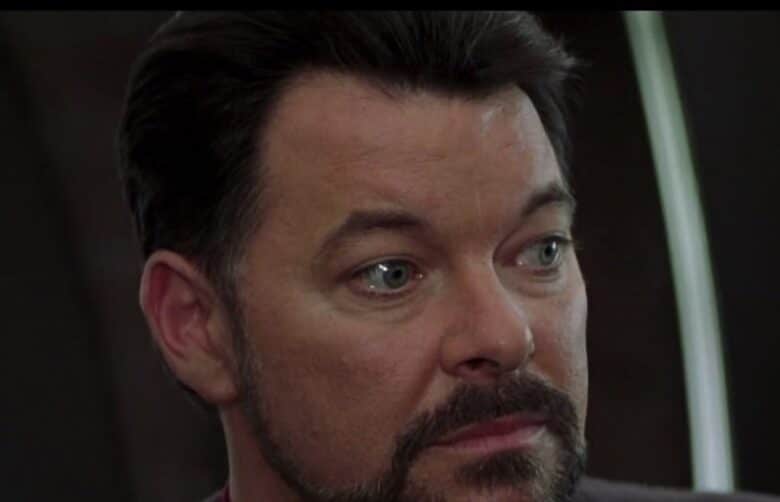
Will Riker’s departure from the Enterprise to command the USS Titan felt more like a bureaucratic reassignment than a meaningful farewell for a character who had served as Picard’s trusted first officer for decades. His send-off lacked the emotional resonance that such a significant transition deserved, treating his exit as a plot necessity rather than a character moment.
Riker deserved a more emotionally charged farewell scene that honored his long relationship with Picard and the Enterprise crew. His departure should have included a clearer indication of his future adventures or a more active role in the film’s climax that demonstrated why he was ready for his command.

8. Ellen Ripley (Alien 3)
After surviving two previous encounters with xenomorphs, Ellen Ripley’s decision to sacrifice herself by falling into a furnace while carrying an Alien Queen embryo felt bleakly nihilistic. Her death undid much of the hope and surrogate family she had found in “Aliens,” leaving audiences with a profoundly depressing conclusion to her story.
Ripley deserved an ending that honored her resourcefulness and determination rather than resignation. A more triumphant conclusion might have involved finding a way to truly defeat the xenomorph threat or achieving some measure of peace after her long struggle. Her death should have felt like a victory rather than a defeat.

9. Gwen Stacy (The Amazing Spider-Man 2)
Though faithful to the comics, Gwen Stacy’s death during the battle with Green Goblin felt rushed and underdeveloped in the film adaptation. The movie’s overstuffed plot prevented her death from carrying the full emotional impact it deserved, making what should have been a devastating loss feel somewhat hollow.
Stacy’s relationship with Peter and her aspirations as a scientist deserved more focus throughout the film, making her eventual death more central to Spider-Man’s character development. Her intelligence and agency should have been more prominently featured, establishing her as more than just a love interest before her tragic end.
10. The entire cast of Rogue One (Rogue One: A Star Wars Story)
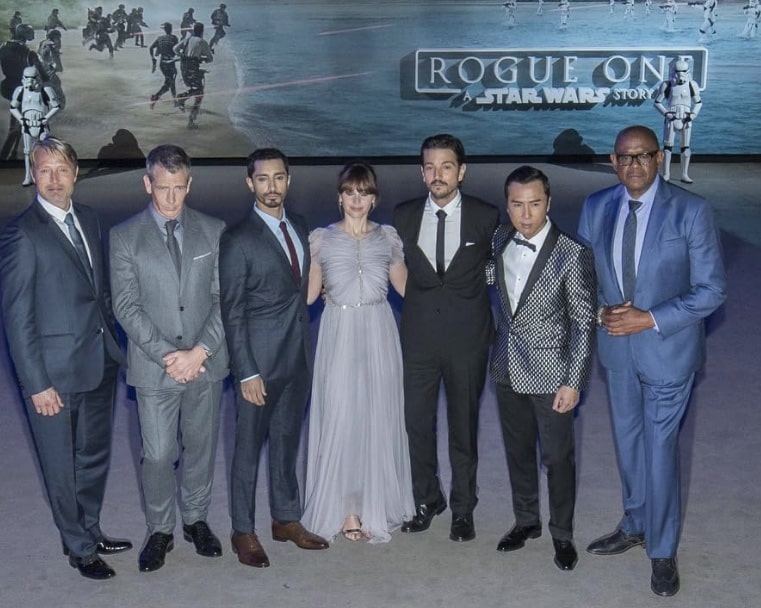
While narratively necessary to connect with “A New Hope,” the rapid succession of deaths during the Battle of Scarif left little time to process each character’s sacrifice individually. Jyn Erso, Cassian Andor, Bodhi Rook, Chirrut Îmwe, Baze Malbus, and K-2SO all perished within minutes of each other, diminishing the emotional impact of their heroic final moments.
Each character deserved more distinct and drawn-out final moments that allowed audiences to absorb their individual sacrifices fully. Their deaths should have been spaced throughout the battle, giving proper weight to each loss rather than treating them as a collective narrative requirement.

11. Cyclops / Scott Summers (X-Men: The Last Stand)
As one of the founding X-Men, Scott Summers deserved far better than an off-screen death that felt like an afterthought. Apparently disintegrated by the resurrected Jean Grey, his demise served only to advance Phoenix’s plot rather than honoring his importance to the X-Men mythology.
Cyclops should have received a direct, climactic confrontation with Jean that showcased both his tactical leadership and emotional connection to her. His death deserved to be more heroic and meaningful, perhaps involving a final sacrifice that demonstrated his unwavering commitment to Xavier’s dream of peaceful coexistence.

12. Mace Windu (Star Wars: Episode III – Revenge of the Sith)
Samuel L. Jackson’s Jedi Master represented one of the most powerful members of the Jedi Council, yet his defeat by Palpatine felt sudden and almost pathetic. Disarmed by Anakin and then electrocuted by the Emperor before being thrown from a skyscraper, Windu’s death primarily served as a plot device for Anakin’s transformation into Darth Vader.
Windu deserved a more epic final duel with Palpatine that truly showcased his unique fighting style and Force abilities. His death should have required a more significant betrayal from Anakin, demonstrating the terrible cost of the young Jedi’s choice rather than making it feel like an inevitable outcome.

Why do bad send-offs happen?
Understanding the creative and practical forces behind unsatisfying character conclusions reveals why even talented filmmakers sometimes stumble at these crucial moments. Plot necessity often drives character deaths that serve larger narrative purposes, even when they feel unsatisfying for individual character arcs. Writers may sacrifice personal story satisfaction for the greater structural needs of their screenplay.
Rushed production schedules and last-minute script changes frequently lead to underdeveloped character conclusions. When filmmakers are forced to compress complex emotional journeys into abbreviated timeframes, even well-intentioned farewells can feel hollow or incomplete. Studio interference represents another significant factor, as executive decisions sometimes prioritize shock value or sequel setup over character integrity.
Ensemble films face particular challenges in providing satisfactory conclusions for multiple characters. When screentime must be divided among numerous storylines, individual character moments inevitably suffer, leading to rushed or truncated farewells that fail to honor the emotional investment audiences have made in these fictional relationships.

Conclusion
A character’s ending often becomes their most memorable moment, the final note that determines how audiences will remember their entire journey. Well-executed send-offs can elevate films from merely entertaining to truly unforgettable, creating emotional resonance that lasts long after the theater lights come up. These pivotal moments represent the culmination of everything we’ve come to love about these fictional companions.
The characters examined here remind us of the tremendous responsibility filmmakers bear when crafting these crucial scenes. Each represents a missed opportunity to create lasting emotional impact, to honor the time and affection audiences invested in their stories. While some found redemption in later installments or expanded universe content, movie audiences deserved better in the moment.
Future filmmakers should learn from these examples, prioritizing meaningful character conclusions that match the emotional investment their stories have generated. Check out our other entertainment articles here at MediaFeed for more insights into the art of storytelling and character development.
Related:
- The 100% Club: 13 Movies That Rotten Tomatoes …
- 22 Disturbing Movies You’ll Never Forget (But Wish You Could)
Like MediaFeed’s content? Be sure to follow us.
This article was syndicated by MediaFeed.org.