9 Reasons Science Is Now Taking UFOs Seriously
For many years, the topic of unidentified aerial phenomena (UAP) was relegated to the fringes of scientific inquiry. However, this perception is rapidly changing as more scientists and institutions begin to take UAP research seriously. This shift is not only reshaping how we understand these phenomena but also why they matter to all of us.
From national security implications to the potential for scientific breakthroughs, the reasons for this newfound interest are as varied as they are compelling. Here are 9 reasons why science is now taking UFOs seriously and why you should, too.

9. Formation of a Multidisciplinary UAP Council
Harvard astrophysicist Avi Loeb has been tasked with leading a new UAP Science Advisory Council.
This council includes experts from diverse fields such as astrophysics, biology, and psychology, reflecting a comprehensive approach to understanding UAP.
8. NASA’s Systematic Approach
NASA has advocated for a more structured scientific method in studying UAP.
This initiative aims to gather high-quality data that could lead to significant scientific advancements and insights.
7. Harvard’s Galileo Project
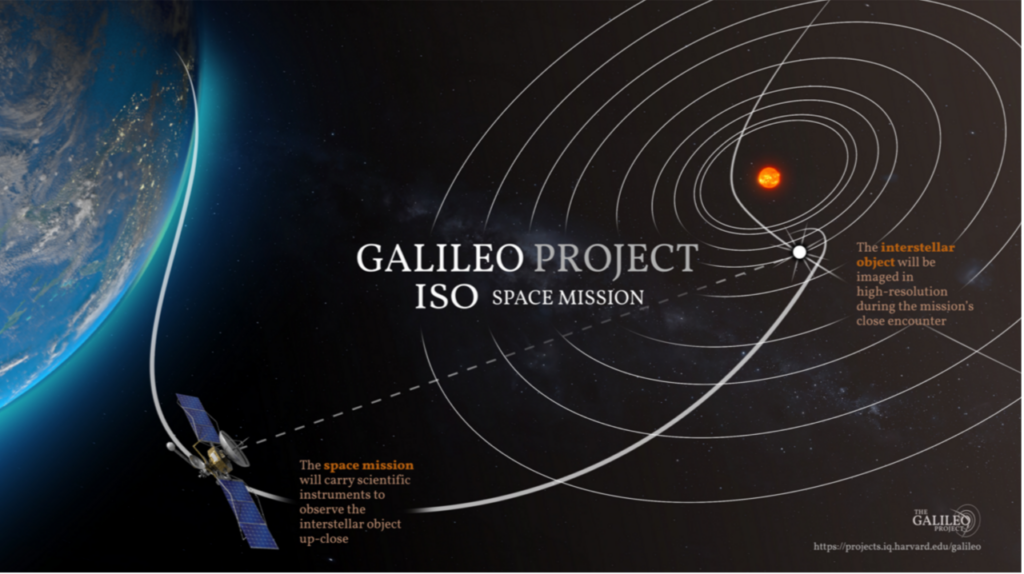
The Galileo Project has set up observatories dedicated to UAP research.
This initiative is designed to collect empirical data, moving beyond anecdotal evidence to understand these phenomena better.

6. National Security Concerns
If UAPs are advanced technologies from adversarial nations, the implications are significant.
Understanding these phenomena is crucial for maintaining national security and preparing for potential technological threats.
5. Advancements in Sensor Technology
Studying UAPs can lead to improvements in sensor technology.
These advancements could enhance aviation safety and aerospace engineering, benefiting various sectors.

4. Psychological Impact and Human Experience
Millions report UAP experiences that challenge their perceptions and beliefs.
The psychological aspects of UAP sightings are crucial for understanding how these events affect individuals and society.

3. Reducing Stigma and Encouraging Reporting
Stigma around UAPs has historically discouraged reporting and research.
By addressing this stigma, more people may come forward, leading to better data and understanding.
2. Potential for Scientific Breakthroughs
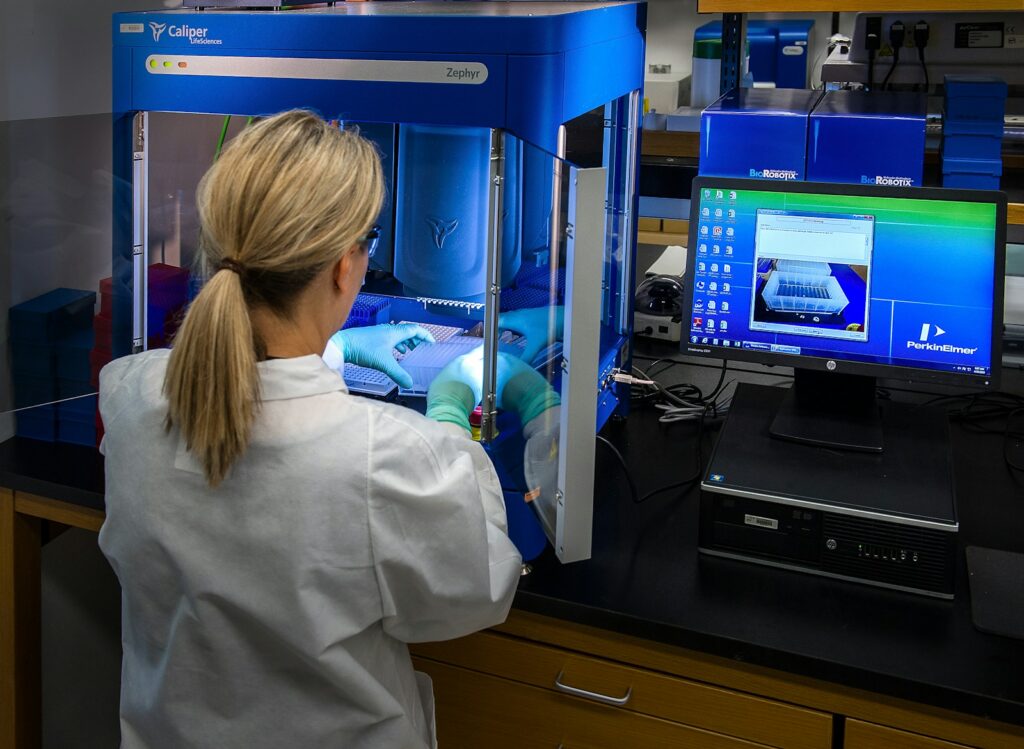
Investigating UAPs could lead to discoveries that change our understanding of the world.
Whether they are misunderstood phenomena or something new, the potential for breakthroughs is significant.
1. A Call for Scientific Integrity and Curiosity
Advancing UAP science is about more than solving a mystery; it’s about embracing scientific integrity.
By approaching these phenomena with curiosity and without prejudice, we open the door to new knowledge and understanding.
Read More:
- 9 Steps to Take After Spotting a UFO, According to Experts
- 9 Chilling Reasons We Haven’t Made Contact With Aliens Yet
- The Most Chilling Urban Legend in Every State
Ask us! What questions do you have about content, strategy, pop culture, lifestyle, wellness, history or more? We may use your question in an upcoming article!
Like MediaFeed’s content? Be sure to follow us.
This article originally appeared on Resourcebuzz and was syndicated by MediaFeed.co.