7 places you should never store your dog’s food
Where dog food ends up in a house is usually decided by convenience, not by what actually keeps it safe. That gap causes more spoiled kibble and sick dogs than most pet owners realize.
Veterinarians and pet nutrition specialists have flagged the same problem spots repeatedly, and the FDA’s own guidance on temperature control backs up what most of these sources agree on. Seven places to avoid, and why each one quietly ruins a bag of food.

The garage
Temperature swings wildly here, hot in summer, cold in winter, and that swing accelerates fat oxidation in kibble. Garages also offer easy entry points for rodents, and a standard plastic bin won’t stop a determined mouse for long.
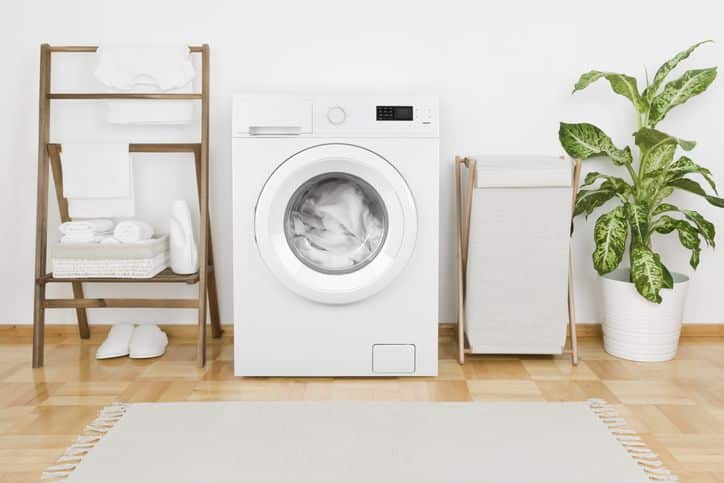
The laundry room
Humidity and heat cycle constantly here, both terrible for kibble freshness. It’s one of the worst choices in the whole house, right alongside the garage and any outdoor shed.
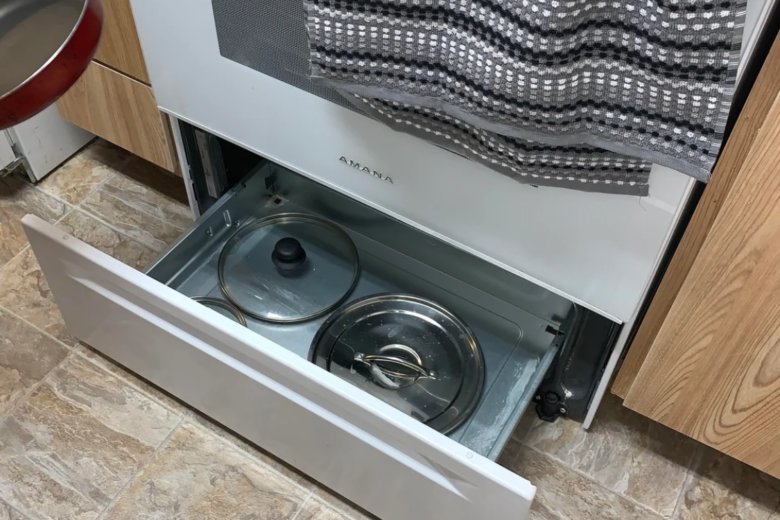
Right next to the oven or water heater
Heat breaks down the nutrients in dog food fast, and appliances that generate constant warmth do exactly that over time. Keep the container away from anything that runs hot, even if it seems like an efficient use of cabinet space.

Directly on the floor
Floor-level storage puts food closer to ground moisture and makes it an easier target for pests. Elevating the container even a few inches, on a shelf or a small stand, reduces both risks significantly.

In the car or outdoors
Nowhere gets hotter, faster, than a parked car, and outdoor storage exposes food to every temperature swing the weather offers. Dog food guides consistently list this as one of the worst spots an owner could possibly choose.

Poured loose into an open bin
Dumping the bag into an unsealed container skips the batch number and expiration date printed on the original packaging. Worse, it removes a layer of protection against air exposure, which is exactly what causes fats in the food to turn rancid.
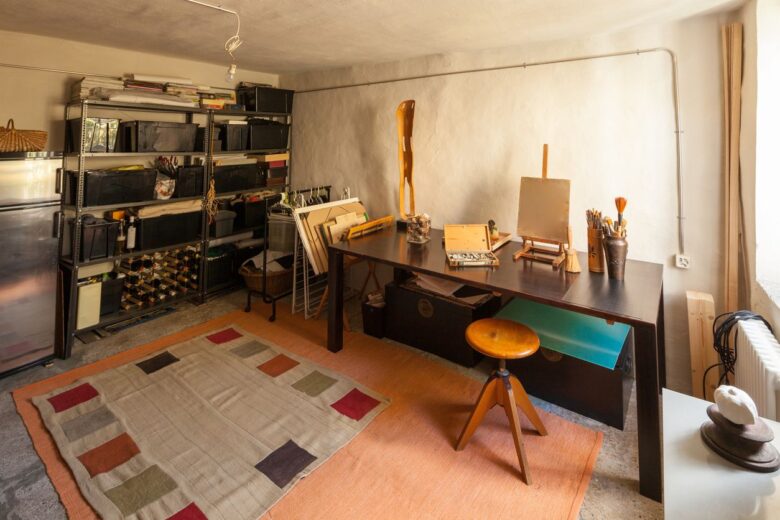
A damp, unfinished basement
Basements seem like a reasonable pantry substitute until humidity gets factored in. Mold and bacteria thrive in that environment, and a 2020 case study even found aflatoxin-producing mold on kibble stored in sealed containers kept in damp spaces, containers that looked perfectly clean from the outside.

The bottom line
The right spot is almost always the boring one. A cool, dry interior room, an airtight container, and the original bag kept intact inside it. Nothing exotic. Just consistently out of reach of heat, moisture, and whatever’s chewing through the garage baseboards.
Ask us! What questions do you have about content, strategy, pop culture, lifestyle, wellness, history or more? We may use your question in an upcoming article!
Related:
Like MediaFeed’s content? Be sure to follow us.
This article was syndicated by MediaFeed.co.