12 vintage station wagons that are expensive collectors’ items now
Station wagons used to be the least glamorous thing in the driveway. The car parents drove because it hauled kids and groceries and nothing else, really. Decades later, a handful of those exact models now sell for more than most people’s first house down payment. Funny how that works.
Classic car dealers and collector-market analysts have been tracking that shift for years now, and the same handful of names keep coming up whenever the topic turns to wagons worth real money. From six-figure Nomads to oddball retractable-roof Studebakers, the twelve below cover the range of what collectors are actually chasing right now, and why.
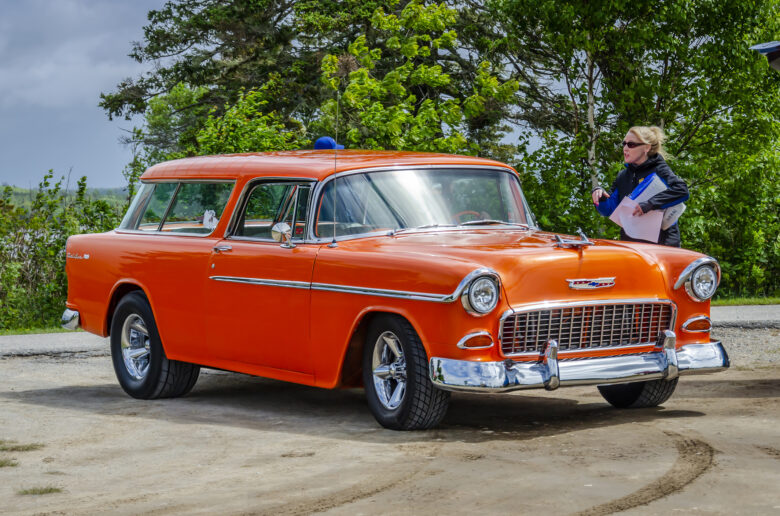
1955-57 Chevrolet Nomad
Two doors. A sleek roofline nobody expected from a wagon. The Nomad broke the mold completely, and a well-restored example can now fetch upward of $100,000. Built on the same Tri-Five Bel Air platform as the rest of the lineup, which helps explain why parts hunting isn’t a nightmare.
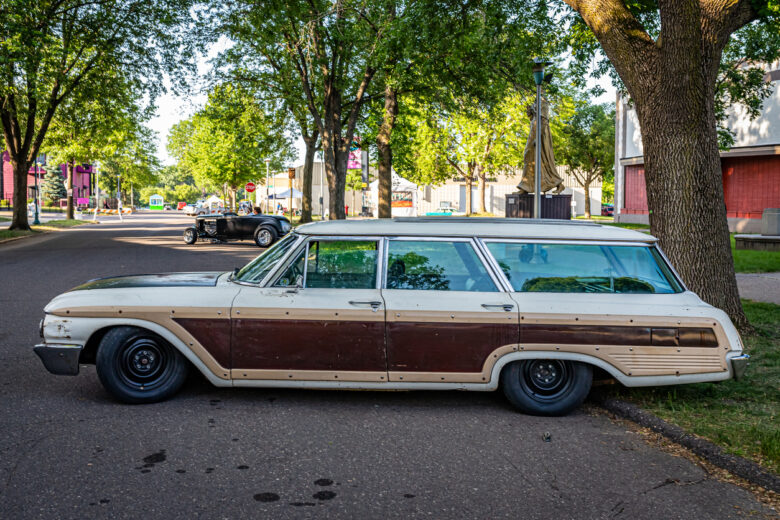
Ford Country Squire
Ran from 1951 clear through 1991. Collectors, though, tend to chase the pre-1970 models specifically, back when the woodgrain paneling still read as an intentional design choice instead of a tired leftover.
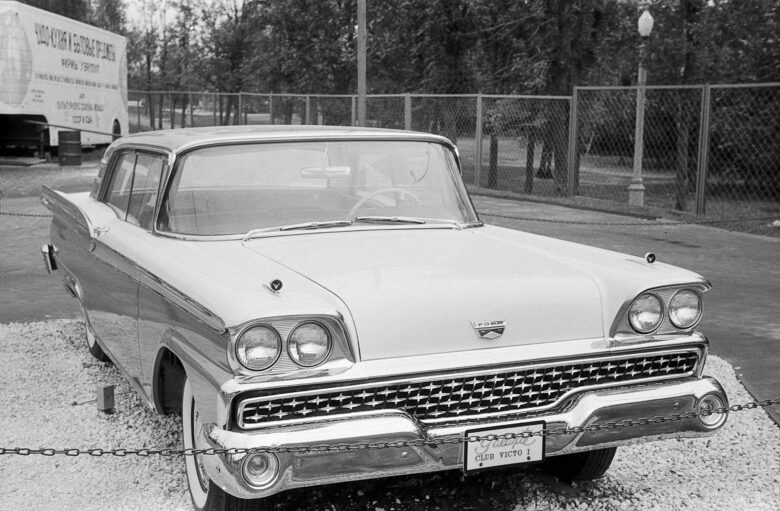
Ford Ranch Wagon
Ford’s first all-steel-bodied wagon. Arrived right as the era of woody wagons was winding down in the early ’50s. Some enthusiasts call it the coolest wagon Ford ever built, full stop, and restored examples now sit in the same six-figure range as the Nomad.
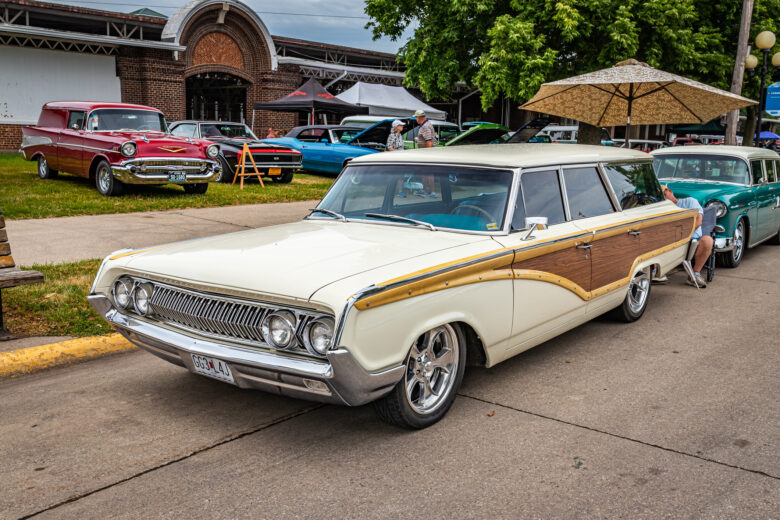
Mercury Colony Park
The snazzier sibling to the Country Squire. Produced continuously from 1957 to 1991, and the wood paneling actually started out as real wood before shifting to vinyl decals later on. You can usually tell which era you’re looking at just by touching it.
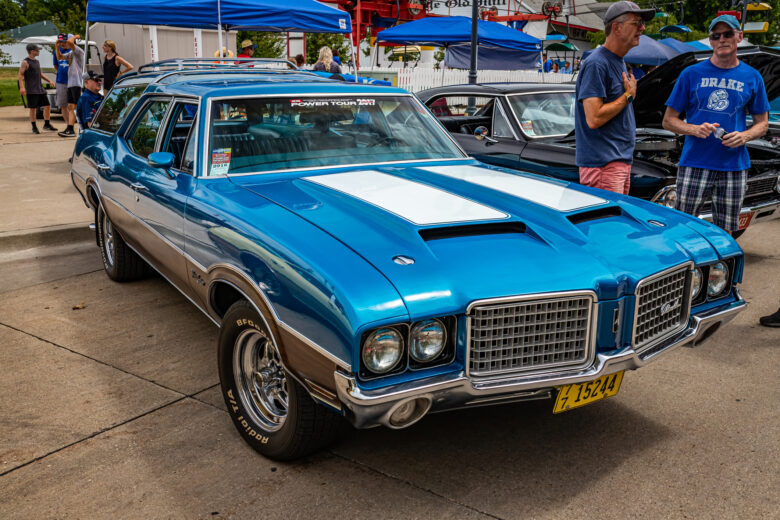
Oldsmobile Vista Cruiser
Styled off the Cutlass, but with an extended wheelbase and a raised, skylit roof section. Earned the nickname “King of the Road” among collectors. The longer wheelbase softened the handling a bit. The ride quality more than made up for it, though.
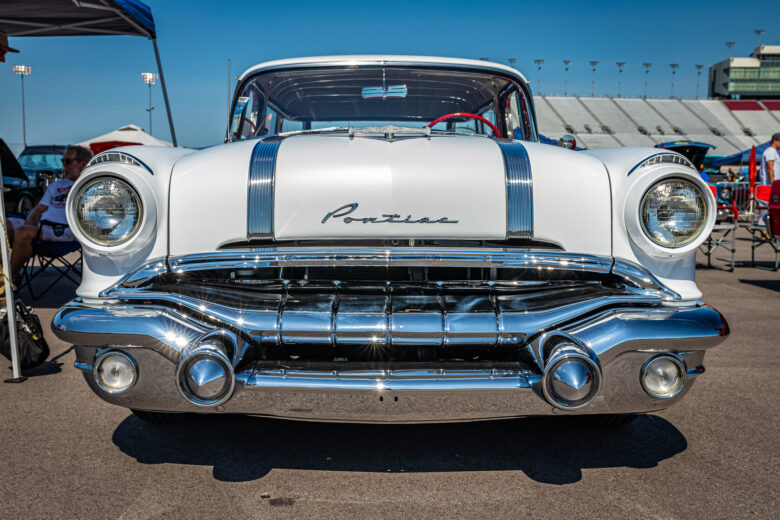
Pontiac Grand Safari
Best known for the “clamshell” tailgate. Produced 1971 to 1976. The glide-away mechanism needed 35 pounds of pressure just to lower, and getting it back up again was, by most accounts, no easier. Worth it, apparently, for the party trick alone.
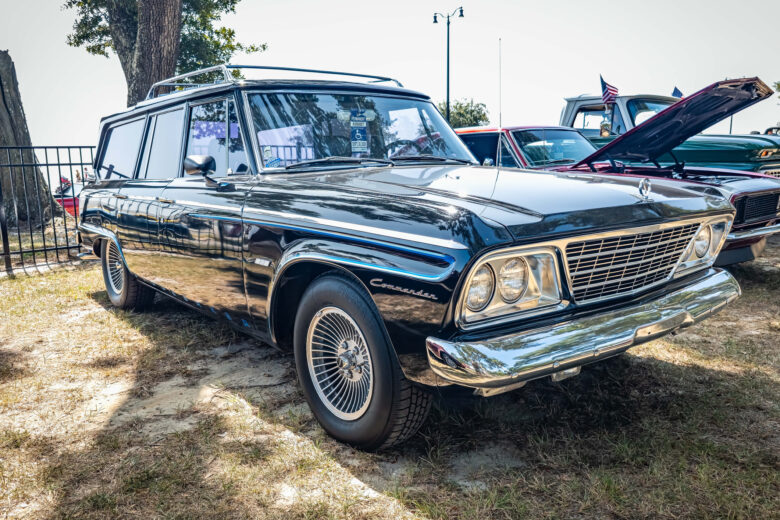
Studebaker Wagonaire
The roof itself retracted. Not a sunroof, the whole thing, opening up cargo space for anything too tall for a normal wagon. That retractable roof makes surviving examples a genuine oddity today, and collectors know it.
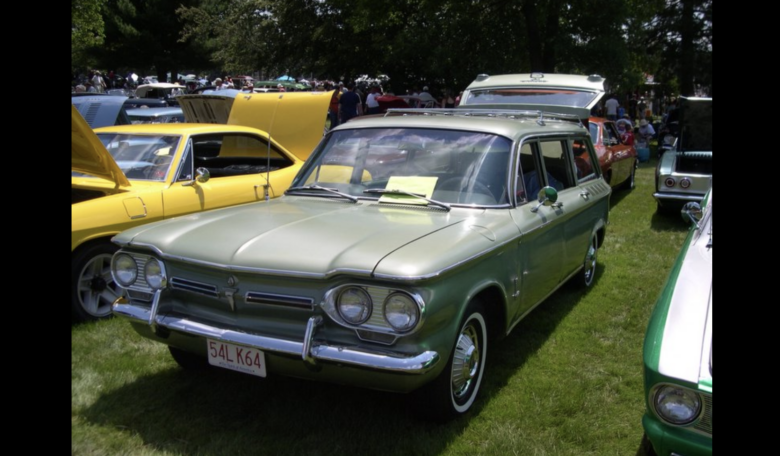
Chevrolet Corvair Lakewood
Rear-engine. On a wagon. The same Corvair platform that later drew Ralph Nader’s scrutiny, and yet collectors still seek the Lakewood out specifically because rear-engine wagons never became a thing anywhere else in the industry.
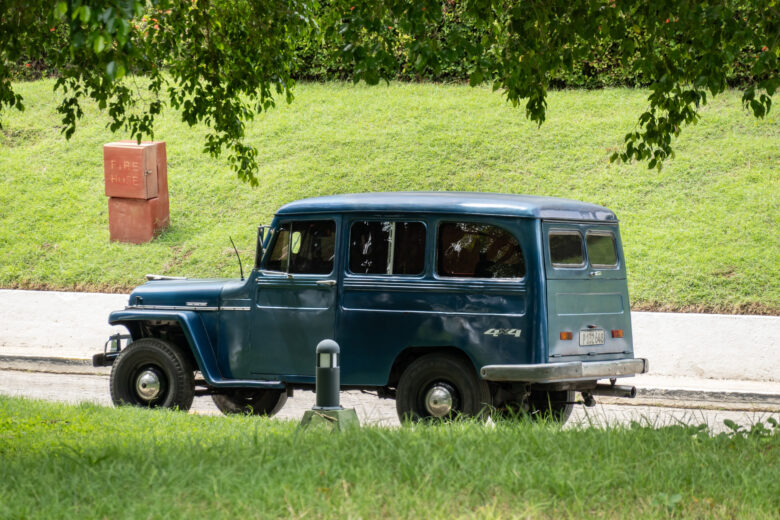
Jeep Willys Wagon
The first all-steel wagon on the market. Original sticker price back in 1951: $6,525. Jeep used a three-tone paint job to fake the woody look before real wood paneling could catch up with demand.
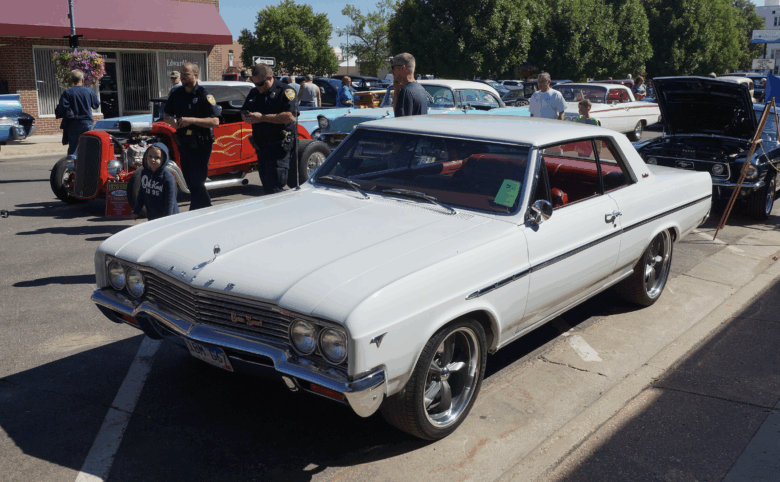
Buick and Oldsmobile Vista-roof wagons
Intermediate GM models, essentially, with a skylight built into the roofline. The Vista roof option has quietly become one of the things collectors watch most closely, a step above standard trim without going full luxury.
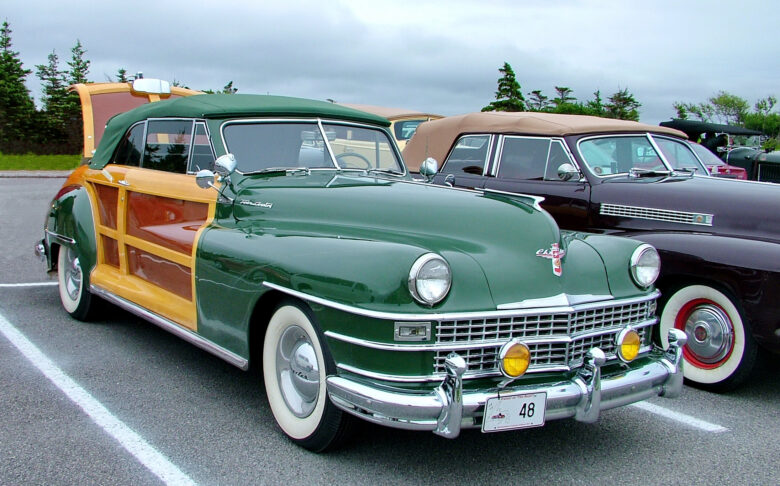
Chrysler Town & Country
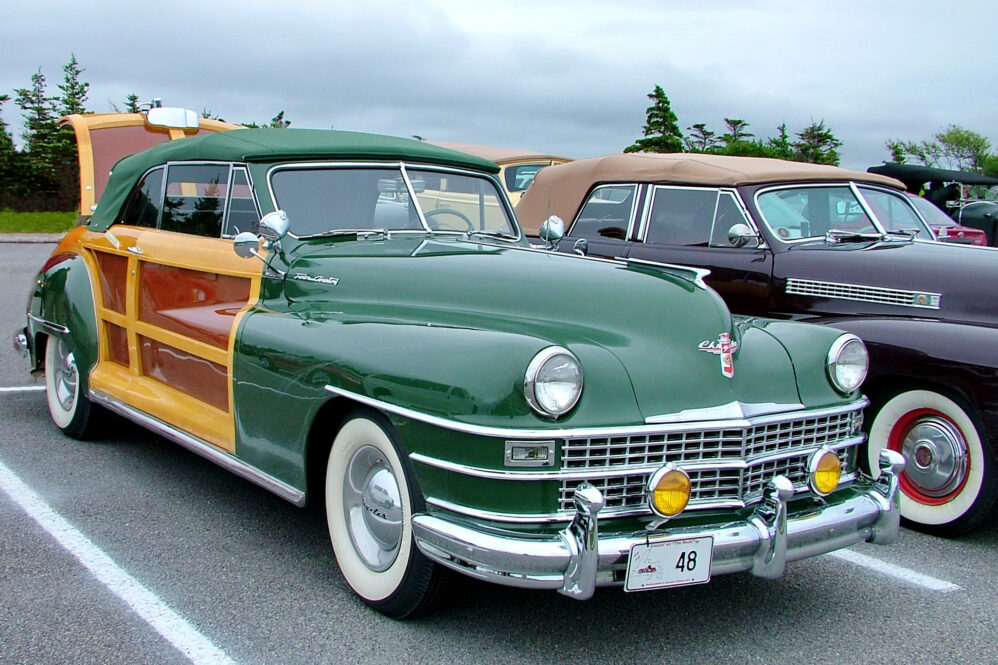
Genuine wood paneling, postwar, before the vinyl decal era took over entirely. Big Buicks, Mercurys, pillarless Chryslers of the same period all sit in this same category, the one collectors watch most closely for where future value is headed.
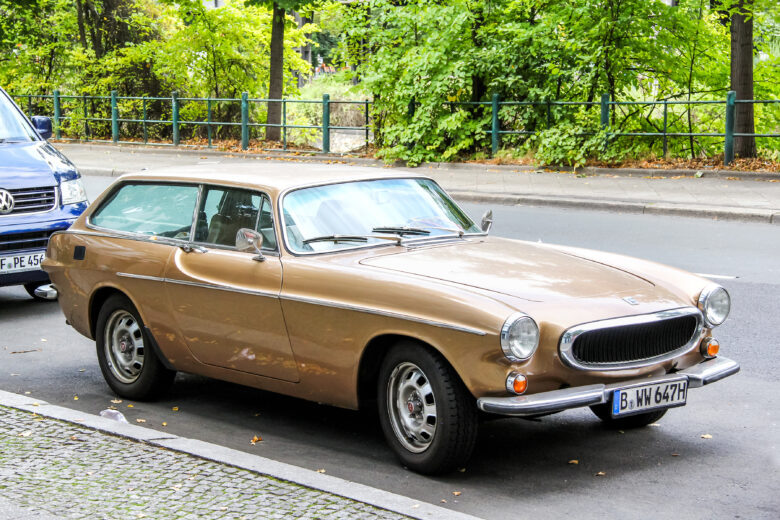
Volvo P1800 ES
A “shooting brake,” technically, not a plain wagon. 1972 to 1973 only. Sports car aesthetics grafted onto wagon functionality, which almost nothing else on the road attempted at the time. Almost nothing else has really attempted it since, either.
The bottom line
None of these were built to be special. Built to be practical, actually, which is exactly why so few survived in good shape. And exactly why the ones that did are worth this much now.
Ask us! What questions do you have about content, strategy, pop culture, lifestyle, wellness, history or more? We may use your question in an upcoming article!
Related:
Like MediaFeed’s content? Be sure to follow us.
This article was syndicated by MediaFeed.co.