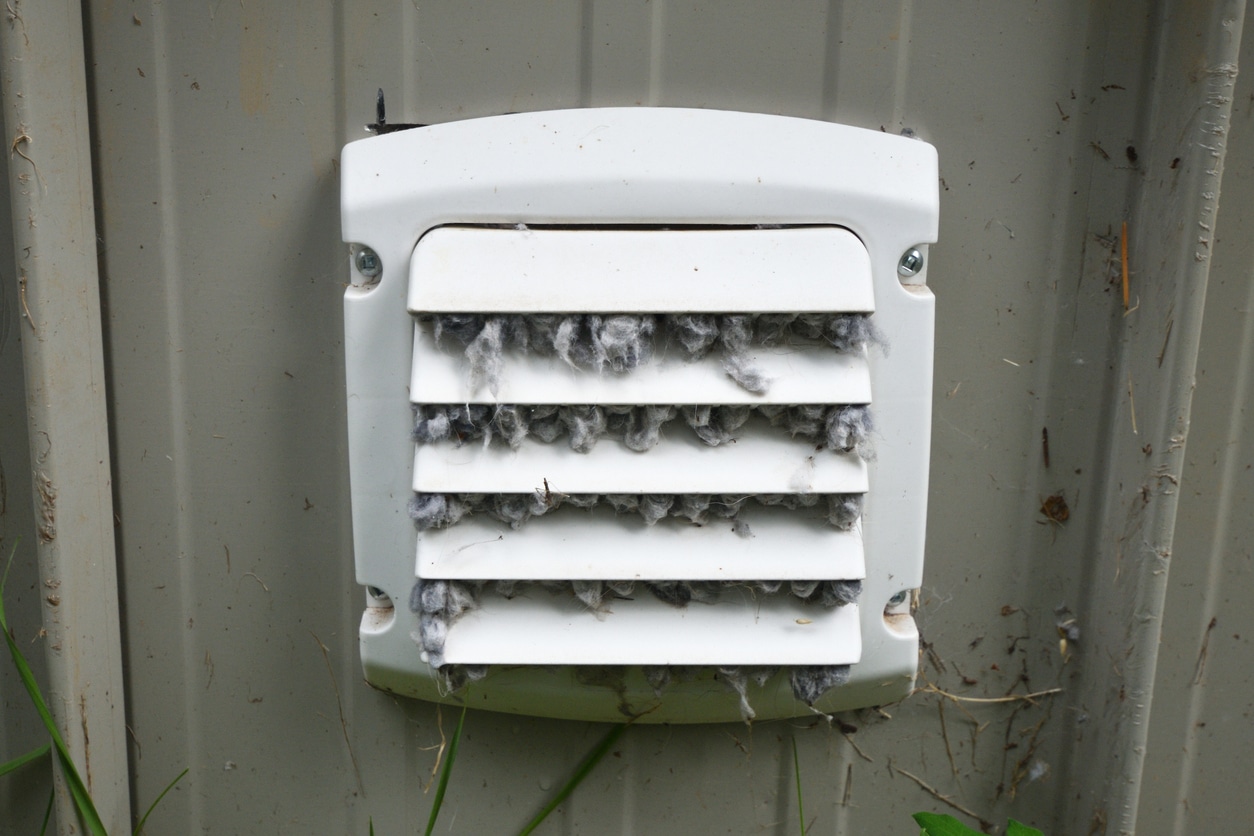
12 things you own that are a fire hazard (and you didn’t even know it)
House fires claim thousands of lives and cause billions in property damage annually, with most people assuming they understand the primary risks in their homes. While kitchen accidents and faulty heating systems receive significant attention, many devastating fires actually start from seemingly innocent everyday items that homeowners never consider dangerous. These hidden hazards lurk in plain sight throughout typical homes, creating risks that accumulate over time as people remain unaware of their fire potential.
The most hazardous fire hazards are often those we encounter daily without recognizing their potential for ignition, overheating, or creating conditions that can rapidly spread flames throughout a structure. Unlike obvious risks such as candles or fireplaces, these items blend into everyday household routines while gradually degrading or being misused in ways that increase the risk of fire. Understanding and addressing these overlooked hazards can prevent tragedies that catch families completely off guard.
This article examines twelve everyday household items that pose significant fire risks despite their seemingly innocuous appearance, along with simple steps to eliminate or mitigate these dangers immediately. Taking action to address these hazards requires minimal time and expense but can provide crucial protection for families and property against unexpected fires.
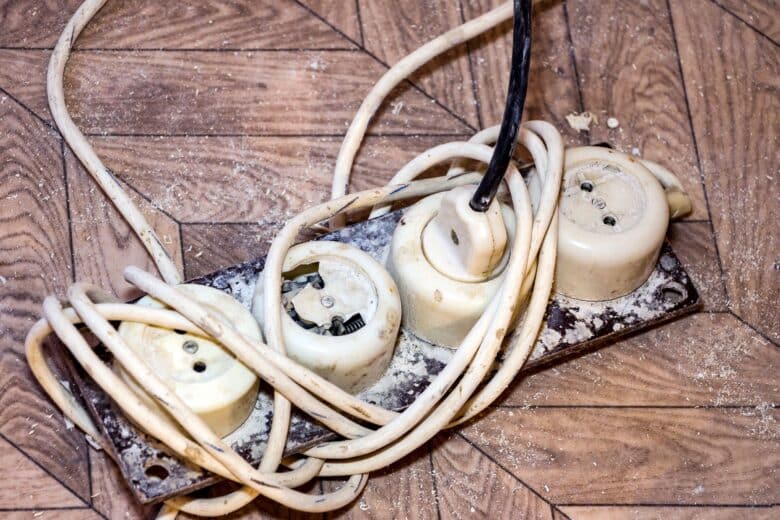
Old or damaged extension cords and power strips
Extension cords and power strips are among the most common and hazardous fire hazards in modern homes, particularly when they exhibit signs of wear, damage, or improper use, which can lead to electrical fires. Frayed wires expose bare conductors that can arc and ignite nearby materials, while cracked insulation allows moisture to intrude, creating short-circuit conditions. Overloading power strips beyond their rated capacity or daisy-chaining multiple strips together can create heat buildup that may ignite the plastic housings or surrounding materials.
Regular inspection of all extension cords and power strips should focus on identifying damaged insulation, loose connections, warm plugs, or burning odors that indicate developing electrical problems. Replace any damaged cords immediately rather than attempting repairs, and ensure power strips include surge protection and circuit breakers that provide safety shutoffs. Avoid using extension cords as permanent wiring solutions, and never exceed the manufacturer’s specified load ratings or connect multiple power strips in series.
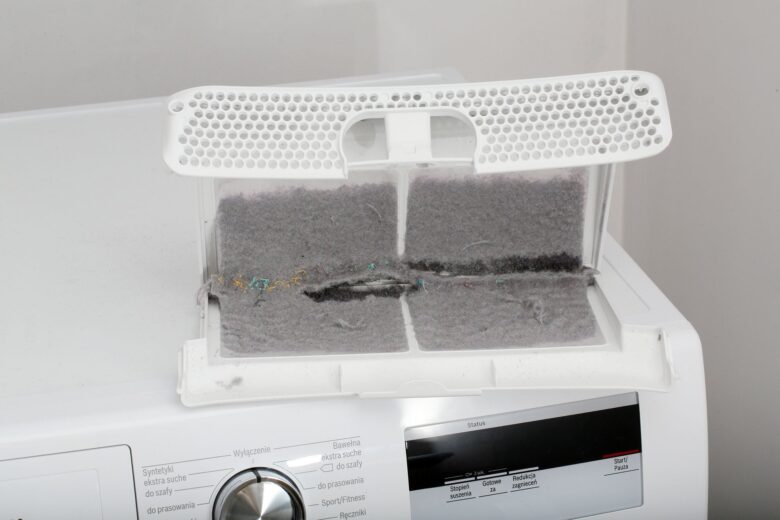
Lint-clogged dryer vents
Dryer fires rank among the most preventable yet common causes of house fires, with lint accumulation in vents and exhaust ducts creating highly flammable conditions that can ignite from the dryer’s regular heating operation. Lint consists of fine fabric fibers that burn extremely rapidly once ignited, and when combined with restricted airflow from clogged vents, it creates dangerous overheating conditions within the dryer system. The combination of heat, flammable material, and restricted ventilation creates ideal conditions for fires that can spread quickly through ductwork and into wall cavities.
Cleaning the lint filter after every load represents only the first step in dryer fire prevention, as lint also accumulates in the exhaust ductwork and external vent openings, where it’s less visible but equally dangerous. Professional duct cleaning should be performed annually, primarily for dryers that vent through long or complex ductwork, which may trap additional lint. Signs of inadequate ventilation include clothes taking longer to dry, excessive heat in the laundry room, or lint visible around the external vent opening.

Space heaters too close to flammable materials
Space heaters cause thousands of fires annually when placed too close to curtains, bedding, furniture, or other combustible materials that can ignite from radiant heat or direct contact with heating elements. The “three-foot rule” requires maintaining a clear space of at least three feet around all sides of space heaters. Still, many users violate this safety guideline by placing heaters near beds, under desks, or in corners where adequate clearance becomes impossible. Portable heaters also present risks when left unattended, used with extension cords, or operated in areas with foot traffic where they can be knocked over.
Modern space heaters often include safety features such as tip-over switches and overheat protection; however, these mechanisms cannot prevent fires caused by inadequate clearance from combustible materials. Never use extension cords with space heaters, as the high current draw can overload household wiring and create fire hazards at connection points. Always turn off space heaters when leaving rooms or going to sleep, and ensure they’re placed on stable, level surfaces away from high-traffic areas where they might be disturbed.

Counterfeit or knock-off chargers and batteries
Counterfeit phone chargers, laptop adapters, and replacement batteries pose a serious fire risk due to poor quality control, substandard components, and a lack of proper safety certifications that legitimate manufacturers typically provide. These devices often utilize inferior materials and manufacturing processes, which can lead to overheating, short-circuiting, or thermal runaway conditions that result in fires or explosions. Lithium-ion batteries present particular dangers when manufactured without proper safety controls, as they can experience thermal runaway, which creates extremely hot fires that are difficult to extinguish.
Purchasing only certified, name-brand charging accessories from reputable retailers provides the best protection against these hazards, even though counterfeit products may appear identical to genuine items. Signs of potentially dangerous chargers include unusually low prices, poor build quality, missing certification marks, or devices that become excessively hot during use. Dispose of swollen, damaged, or overheating batteries immediately through proper recycling channels, and never attempt to use damaged lithium-ion batteries that show signs of physical deformation.
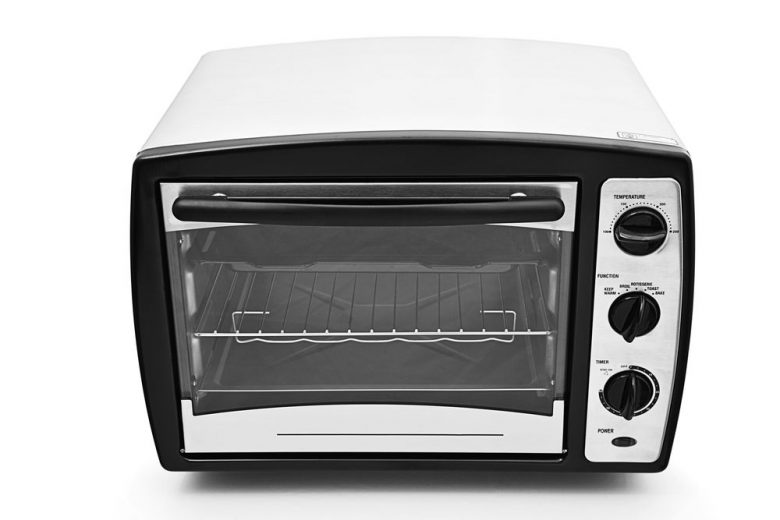
Small appliances with grease and oil residue
Toaster ovens, blenders, coffee makers, and other small kitchen appliances accumulate cooking residue over time that becomes increasingly flammable as grease and oil build up on heating elements and internal surfaces. This residue can ignite during regular operation when heated appliances reach temperatures sufficient to combust accumulated fats and oils. Crumb trays in toasters and toaster ovens present particular fire hazards when filled with bread crumbs and grease that can ignite and spread flames throughout the appliance.
Regular deep cleaning of small appliances should focus on removing all cooking residue from heating elements, crumb trays, and internal surfaces that come into contact with food or heat. Unplug appliances before cleaning and ensure they’re completely dry before reconnecting to prevent electrical hazards. Pay particular attention to hidden areas where grease might accumulate, such as behind heating elements or in ventilation openings that can trap flammable residue over time.

Old or faulty refrigerators and freezers
Older refrigerators and freezers can develop fire hazards through dust accumulation on compressor coils, worn electrical cords, or failing internal components that overheat during operation. Dust and pet hair on condenser coils force compressors to work harder and run hotter, creating conditions that can ignite accumulated debris or cause electrical components to fail. Damaged power cords near the back of units often go unnoticed until they create arcing conditions that can ignite nearby materials.
Regular maintenance should include cleaning condenser coils every six months and inspecting power cords for damage, particularly where they connect to the appliance or bend around corners. Keep the area behind and around refrigerators clear of stored items that could provide fuel for fires, and ensure adequate ventilation around the appliance. Replace any units that frequently trip circuit breakers, make unusual noises, or show signs of electrical problems that indicate failing components.

Cooking oils stored near stovetops
Cooking oils stored too close to stovetops are constantly exposed to heat, which can cause them to reach ignition temperatures, particularly when oil bottles become splattered with cooking residue that lowers their flash point. Heat from cooking operations can gradually raise oil temperatures, even in closed containers, and oils with lower smoke points, such as olive oil, present particular risks when stored in warm locations. Oil bottles can also become contaminated with food particles or other cooking residues, making them more susceptible to ignition.
Store all cooking oils in cool, dry locations, away from direct heat sources such as stoves, ovens, or heating vents, which can gradually raise their temperature over time. Clean oil bottles regularly to remove any splattered cooking residue, and replace oils that have become rancid or contaminated with food particles. Consider transferring oils from glass containers to appropriate storage containers if glass bottles present additional risks from heat exposure or accidental breakage.

Loose papers and clutter near heat sources
Basements and utility rooms often accumulate loose papers, cardboard boxes, cleaning rags, or other combustible clutter near furnaces, water heaters, or other heating appliances that can serve as ignition sources. These materials can ignite from radiant heat, sparks, or direct contact with hot surfaces, creating fires that spread rapidly through accumulated flammable materials. Storage of household items too close to heating equipment violates safety codes and creates unnecessary fire hazards that are easily prevented.
Maintain a clear space around all major heating appliances according to manufacturer specifications and local building codes, which typically require several feet of clearance on all sides. Store flammable materials, such as paper, cardboard, fabric, and cleaning supplies, in designated areas away from any heat sources. Regularly clean utility areas to prevent the accumulation of dust, lint, or debris that can provide fuel for fires starting near heating equipment.

Halogen lamps
Halogen torchiere lamps and other halogen lighting fixtures generate extremely high temperatures that can easily ignite curtains, ceiling materials, or any flammable objects that come into contact with the hot bulbs or fixtures. These lamps operate at temperatures exceeding 1,000 degrees Fahrenheit, hot enough to ignite paper, fabric, or wood within seconds of contact. The upward-directed light from torchiere styles presents particular risks to ceiling materials, while the high heat output can create fire hazards even without direct contact.
Switching to LED or CFL bulbs dramatically reduces heat output while providing equivalent lighting, eliminating the fire hazards associated with halogen technology. Ensure adequate clearance around any remaining halogen fixtures, and never place them near curtains, under low ceilings, or in areas where they might be knocked over. Consider replacing all halogen fixtures with safer alternatives rather than attempting to manage the ongoing fire risks they present.

Aerosol cans in hot storage areas
Aerosol containers stored in hot locations, such as garages, attics, or areas exposed to direct sunlight, can experience pressure buildup that leads to explosions, potentially igniting nearby materials or spreading flammable contents throughout storage areas. Temperature increases cause the propellant inside aerosol cans to expand, and excessive heat can cause containers to rupture violently or leak flammable contents. Many aerosol products contain flammable propellants or contents that become fire hazards when released in enclosed spaces.
Store all aerosol products in cool, well-ventilated areas away from direct sunlight, heating equipment, or other heat sources that can raise their temperature. Avoid storing aerosols in vehicles, garages, or attics where temperatures can exceed safe limits. Dispose of damaged or leaking containers immediately through an appropriate hazardous waste program. Check stored aerosols regularly for signs of damage, rust, or pressure loss that indicate potential safety problems.
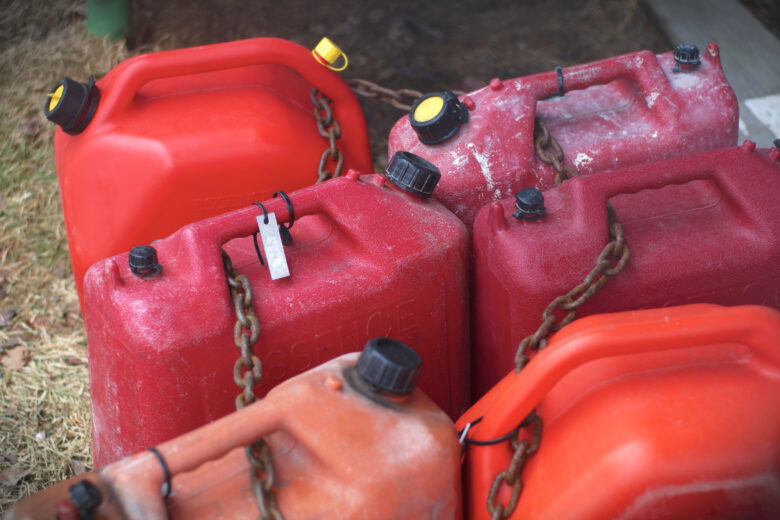
Improperly stored fuel and gasoline containers
Gasoline and other fuels stored improperly create serious fire and explosion hazards through vapor accumulation, container degradation, or proximity to ignition sources such as pilot lights, electrical equipment, or hot surfaces. Gasoline vapors are heavier than air and can travel significant distances to reach ignition sources, creating explosion hazards even when fuel containers appear to be safely separated from heat sources. Plastic containers can degrade over time, allowing fuel to leak and creating additional fire hazards.
Use only approved, properly labeled fuel containers designed for long-term storage, and store them in detached buildings or well-ventilated areas away from the main house and any potential ignition sources. Never store gasoline or other fuels in basements, attached garages, or near water heaters, furnaces, or electrical equipment. Inspect storage containers regularly for signs of damage or leakage, and dispose of old fuel safely through appropriate disposal programs rather than attempting long-term storage.
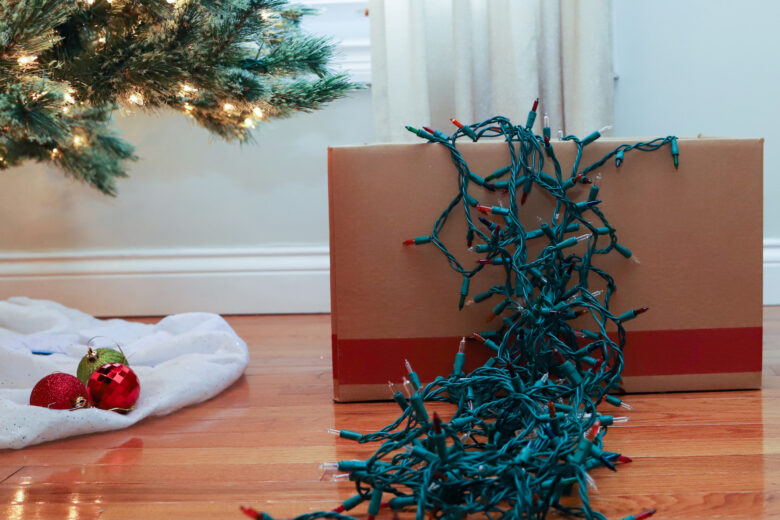
Old holiday and decorative string lights
Vintage holiday lights and decorative string lighting often use outdated wiring, worn insulation, or bulbs that generate excessive heat for the wire gauge, creating fire hazards that increase with age and repeated use. Old incandescent string lights generate significant heat while using electrical connections that may not meet current safety standards, particularly in outdoor applications where moisture can create additional hazards. Cracked sockets, frayed wires, or damaged plugs create arcing conditions that can ignite nearby decorative materials.
Inspect all decorative lighting before each use, checking for damaged wires, cracked sockets, broken or missing bulbs, or signs of overheating such as discolored insulation or melted plastic components. Replace old incandescent string lights with LED alternatives that generate minimal heat while providing equivalent illumination with better energy efficiency. Never repair damaged string lights with tape or temporary fixes, and dispose of any lighting that shows signs of electrical problems or physical damage.
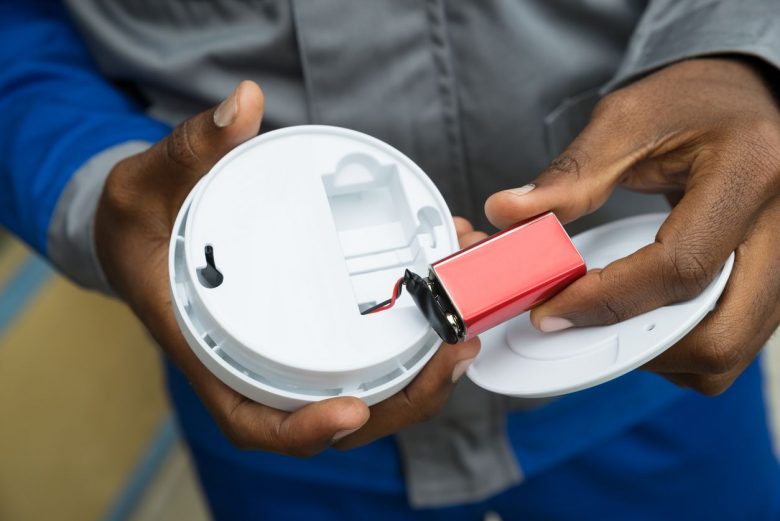
General fire safety best practices
Smoke detector maintenance provides the most critical fire safety protection, requiring monthly battery checks and complete unit replacement every ten years to ensure proper function when needed most. Install smoke detectors on every level of the home and in each sleeping area. Test them monthly and replace the batteries immediately when low-battery warnings activate. Interconnected smoke detectors provide the best protection by ensuring that detection in one area triggers alarms throughout the house.
Fire extinguishers should be easily accessible in key areas such as kitchens, garages, and basements, with family members trained in proper usage techniques, including the P.A.S.S. method (Pull, Aim, Squeeze, Sweep). Establish and practice family escape plans twice a year, ensuring all family members know multiple exit routes and designated meeting locations outside the home. These preparations can mean the difference between life and death in the event of a fire emergency.

Conclusion
Vigilance is the key to fire safety, as most household fire hazards develop gradually through normal wear, improper storage, or neglect of routine maintenance, which can prevent dangerous conditions. The items identified here demonstrate how everyday objects can become significant fire risks without obvious warning signs, making regular inspection and maintenance essential for home safety. Simple actions such as cleaning dryer vents, replacing damaged electrical cords, or relocating stored materials can eliminate significant fire hazards with minimal time and expense.
Take immediate action by conducting a thorough walk-through of your home to identify and address these critical hazards before they contribute to a fire emergency. Share this information with family members and friends to spread awareness about these often-overlooked fire risks that threaten homes and families across the country every day. Prevention remains far more effective and less costly than dealing with the devastating consequences of preventable house fires.
Related:
- 5 Common Household Hazards & How to Safeguard Against Them
- How fires and floods have upended the 2018 housing market
Like MediaFeed’s content? Be sure to follow us.
This article was syndicated by MediaFeed.org.