The 10 TV characters who ruined their shows (and we all silently agree)
Television history is littered with the uncomfortable truth that sometimes the worst enemy of a great show is one of its own characters, creating divisive moments that split fanbases and signal creative decline. While viewers expect occasional weak episodes or storylines, certain character additions or developments represent fundamental missteps that damage the entire series framework. These characters become lightning rods for fan frustration, representing everything wrong with a show’s direction through poor writing choices, misguided casting decisions, or narrative developments that betray established character dynamics.
“Ruined” in this context means a character whose presence or development significantly damaged their show’s quality, divided the fanbase, or accelerated cancellation through fundamentally flawed writing, annoying personality traits, or storylines that undermined what made the series successful initially. These aren’t simply disliked characters serving their intended antagonistic purposes, but rather characters whose existence represents creative failures that fans recognize instinctively. The damage often extends beyond individual episodes to affect entire seasons or series trajectories in ways that become apparent only in retrospect.
This article presents ten characters whose presence marks a significant decline in their respective shows’ quality, representing an unspoken agreement among fans that these additions or developments represented creative low points that damaged otherwise successful series.
Randy Pearson (That ’70s Show)
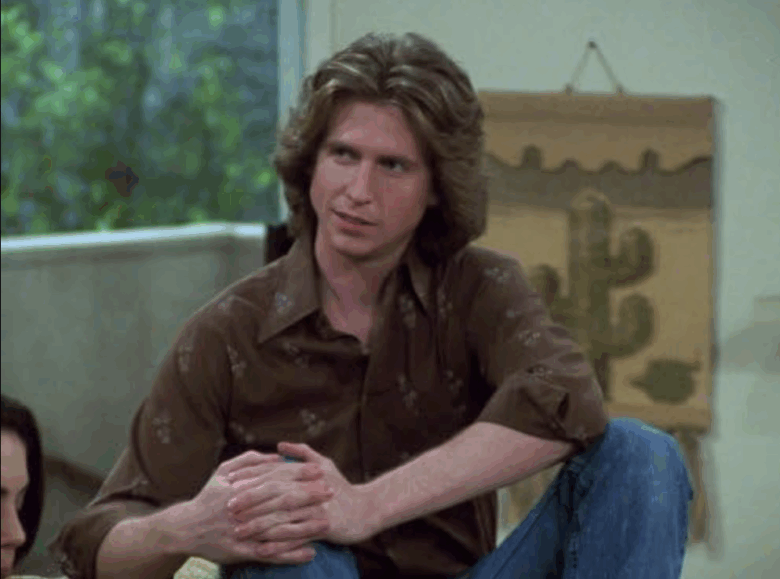
Randy Pearson’s introduction in That ’70s Show’s eighth season represented a desperate attempt to replace the irreplaceable chemistry of the original cast after key departures left the series struggling to maintain its identity. The character felt like a walking plot device designed to fill the void left by Eric Forman, but lacking any of the established relationships, history, or personality traits that made the original ensemble work effectively. Randy’s forced integration into established character dynamics felt artificial and highlighted how the show had lost its authentic voice.
The character’s bland personality and lack of meaningful connections to the show’s established mythology made every scene feel like an intrusion rather than a natural extension of the series’ world. Randy represented everything fans feared about the show’s decline – a generic replacement that demonstrated the writers’ inability to adapt creatively to cast changes while maintaining the series’ original appeal.
Cousin Oliver (The Brady Bunch)
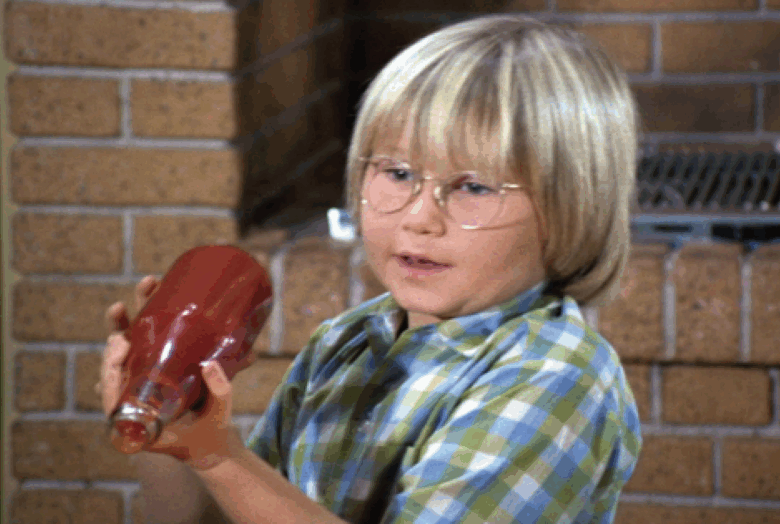
Cousin Oliver became the literal embodiment of a television trope named after his character, representing the misguided strategy of adding cute children to dying shows in desperate attempts to boost ratings and appeal to younger viewers. His sudden appearance in the Brady household felt utterly disconnected from the series’ established family dynamics and represented transparent manipulation rather than organic storytelling. The character’s presence highlighted the show’s creative exhaustion and inability to find fresh storylines within its existing framework.
Oliver’s brief tenure became synonymous with jumping the shark, creating a template for recognizing when shows resort to gimmicky additions rather than addressing fundamental creative problems. The character’s legacy extends far beyond The Brady Bunch, serving as shorthand for desperate network interference in struggling series.
Walden Schmidt (Two and a Half Men)
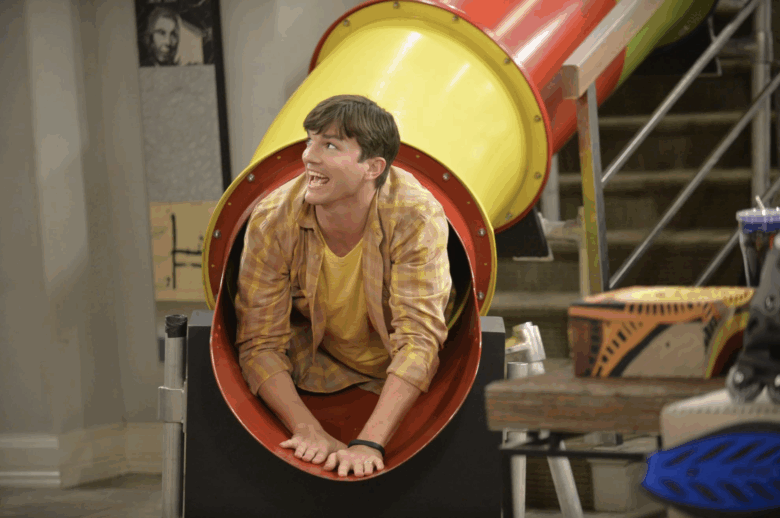
Walden Schmidt’s replacement of Charlie Harper fundamentally altered Two and a Half Men’s DNA in ways that highlighted the original character’s integral role in the series’s success and comedic sensibility. While Ashton Kutcher delivered competent performances, the character represented a completely different show masquerading under the same title, lacking the edge and unpredictability that made the original dynamic compelling. The series became generic and safe, losing the provocative elements that distinguished it from other sitcoms.
Walden’s characterization as a sensitive, wealthy tech entrepreneur created storylines that felt disconnected from the show’s established tone and supporting character relationships. The dramatic shift in the show’s central relationship dynamic exposed how dependent the series had been on Charlie Sheen’s specific chemistry with the ensemble cast.
Felicity Smoak (Arrow)
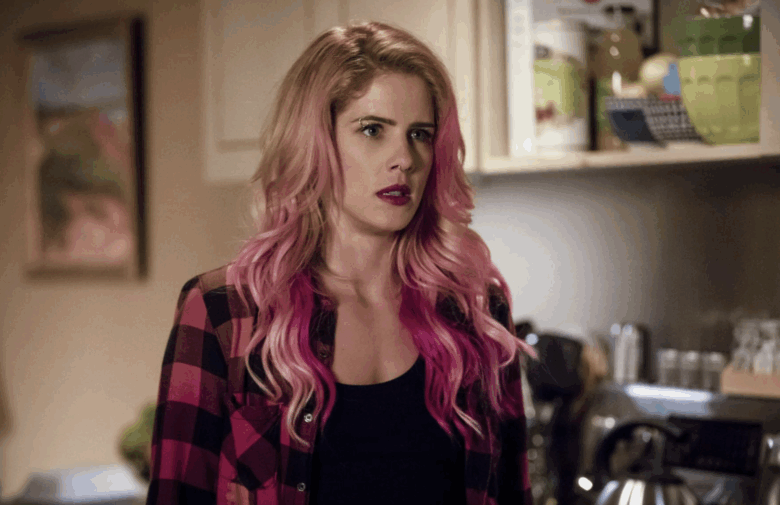
Felicity Smoak initially emerged as a compelling supporting character whose technical expertise and witty dialogue provided an excellent contrast to Oliver Queen’s brooding intensity. However, her elevation to romantic lead fundamentally altered the show’s focus in ways that alienated fans of the original comic book-inspired action format. The character’s relationship with Oliver became the central storyline, overshadowing superhero elements and creating repetitive relationship drama that felt disconnected from the show’s vigilante justice premise. Her transformation from tech support to emotional anchor shifted the series away from its strengths.
The relationship dynamic created toxic patterns where Oliver’s heroic activities were consistently undermined by romantic conflicts, making both characters less appealing while reducing complex superhero storytelling to relationship melodrama. Fan frustration centered on how the romance subplot consumed narrative space that could have been devoted to action sequences and villain development.
Emily Waltham (Friends)
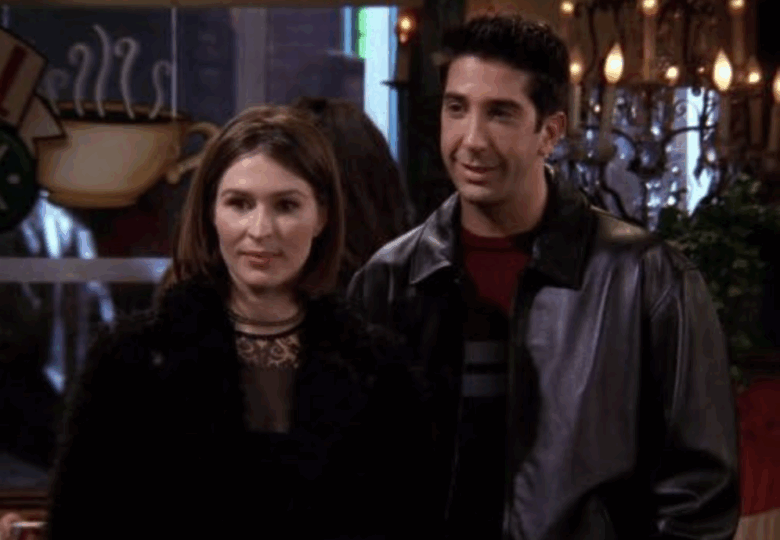
Emily Waltham’s controlling demands and manipulative behavior during her marriage to Ross made one of the series’ most beloved characters temporarily unlikable while creating storylines that felt designed to generate artificial conflict rather than organic character development. Her ultimatum, which required Ross to abandon his friendships, particularly with Rachel, violated the series’ core premise about the importance of friendship bonds. The character represented external interference in the established group dynamic that viewers had emotionally invested in.
Emily’s brief presence created some of the series’s most frustrating episodes, where Ross’s attempts to accommodate unreasonable demands made him appear weak and indecisive rather than romantically committed. The storyline highlighted how outside romantic interests could damage established character relationships when poorly integrated into existing dynamics.
Ted Mosby (How I Met Your Mother)
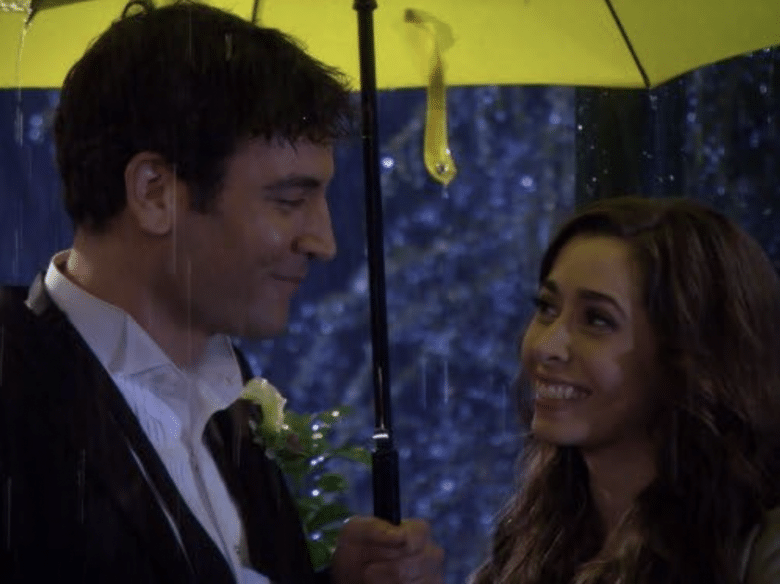
Ted Mosby’s evolution from a charming romantic lead to an insufferable “nice guy” whose obsessive behavior and self-centered worldview became increasingly grating represents one of television’s most dramatic character deteriorations over the course of a series run. His endless pursuit of “the one” while treating actual relationships as stepping stones created patterns that made him less sympathetic and more problematic as the series progressed. The finale’s revelation that the entire series was a manipulation to justify pursuing Robin retroactively poisoned earlier seasons.
Ted’s narration became unreliable in ways that suggested selfishness and revisionist history rather than nostalgic storytelling, making his romantic pursuits feel predatory rather than endearing. The character’s inability to commit to relationships, despite constantly complaining about being single, created cognitive dissonance that frustrated viewers invested in his supposed growth.

Andy Bernard (The Office)
Andy Bernard’s character assassination in later seasons of The Office transformed him from an endearing, flawed manager trying to fill Michael Scott’s shoes into an unlikable, irresponsible character whose behavior contradicted everything established about his personality and growth throughout earlier seasons. His abandonment of responsibilities for a boat trip and subsequent treatment of colleagues violated the series’s core message about workplace relationships and personal development. The character became a cautionary tale about how poor writing can destroy years of character building.
Andy’s regression felt particularly jarring because earlier seasons had invested significant time in his relationship with Erin and his attempts to become a better leader and person. The later seasons’ portrayal made previous character growth meaningless while creating storylines that felt designed to write the character out rather than serve the series’ narrative needs.

Che Diaz (And Just Like That…)
Che Diaz became a lightning rod for criticism of And Just Like That’s handling of contemporary social issues, with many viewers perceiving the character as an unsubtle caricature rather than an authentic representation of non-binary identity and modern comedy. Their relationship with Miranda disrupted established character dynamics in ways that felt forced and inorganic, fundamentally altering Miranda’s personality and life choices in a manner that seemed designed to create controversy rather than foster meaningful character development. The storyline divided fans between those who appreciated the representation and those who felt the execution was poorly handled.
The character’s comedy routines and personality often felt like lectures rather than natural dialogue, resulting in scenes that prioritized message delivery over entertainment value and character authenticity. Che’s impact on Miranda’s character arc represented broader concerns about how the sequel series handled legacy characters and their established relationships.

Piper Chapman (Orange is the New Black)
Piper Chapman’s privileged perspective and self-centered behavior in Orange is the New Black made her increasingly unlikable as the series progressed, particularly when contrasted with the compelling backstories and complex characterizations of the diverse ensemble cast surrounding her. Her white privilege and inability to understand the realities of incarceration experienced by other inmates created frustrating storylines where viewers wished the series would focus on literally any other character. Piper’s problems often felt trivial compared to the systemic issues and personal tragedies affecting other inmates.
The character’s development arc failed to create meaningful growth, instead reinforcing negative traits, while the supporting cast provided more compelling storylines about justice, survival, and human dignity. Many viewers actively hoped for less Piper screen time in favor of exploring the rich backgrounds and current struggles of characters who felt more authentic and sympathetic.
Scrappy-Doo (Scooby-Doo)
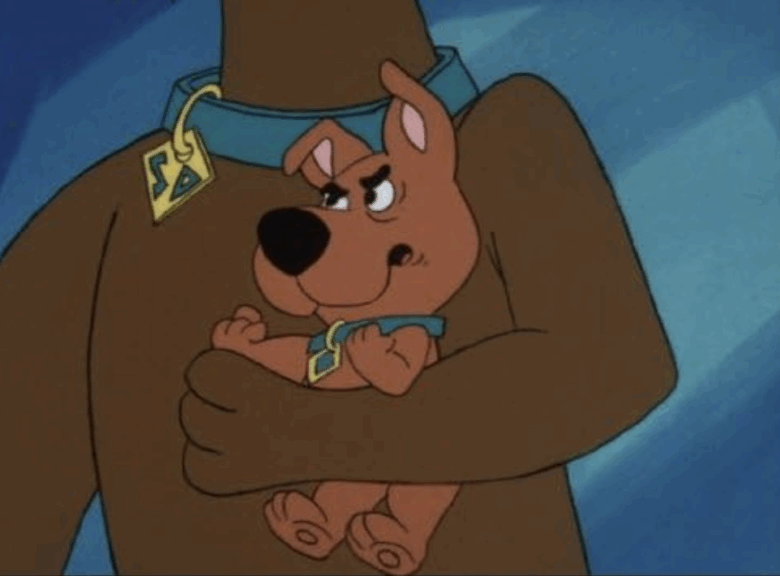
Scrappy-Doo represents the all-time infamous character addition, becoming universally maligned as a transparent attempt to boost ratings for a declining franchise through the addition of an obnoxious puppy whose aggressive personality contradicted everything appealing about the original Scooby-Doo dynamic. His catchphrases, e.g., “Let me at ’em!” and constant desire for confrontation, undermined the cowardly but lovable nature that made Scooby and Shaggy endearing to audiences. The character became shorthand for franchise creative bankruptcy and desperate network interference.
Scrappy’s presence fundamentally altered the show’s tone from gentle comedy to aggressive action, eliminating the mystery-solving elements that made the original format successful. His universal rejection by fans created a template for recognizing when character additions represent creative desperation rather than genuine improvement, making “Scrappy-Doo” synonymous with franchise-killing additions.

Conclusion
These ten characters represent various forms of creative failure, including poor writing, forced inclusion, and a fundamental misunderstanding of what initially made their respective series successful. Whether through desperate attempts to recapture lost chemistry, misguided efforts to modernize established formulas, or simple creative exhaustion, each character became a roadblock to their show’s success rather than enhancing the viewing experience. Their negative impact often extended beyond individual episodes to affect the entire series and its overall fan perception.
The silent agreement among fans regarding these characters reflects shared recognition of creative missteps that damage established series dynamics and viewer investment in beloved shows. While individual tolerance levels vary, these characters represent the collective frustration of fandom with decisions that prioritize ratings, controversy, or demographic targeting over storytelling integrity and character authenticity.
Television writing requires a delicate balance between innovation and consistency, and these characters demonstrate how the wrong addition or development can catalyze a show’s creative demise, transforming beloved series into cautionary tales about the importance of understanding what makes entertainment properties successful in the first place.
Related:
- 12 TV characters who deserved better send-offs
- Actors whose careers got derailed after one bad movie role
Like MediaFeed’s content? Be sure to follow us.
This article was syndicated by MediaFeed.org.