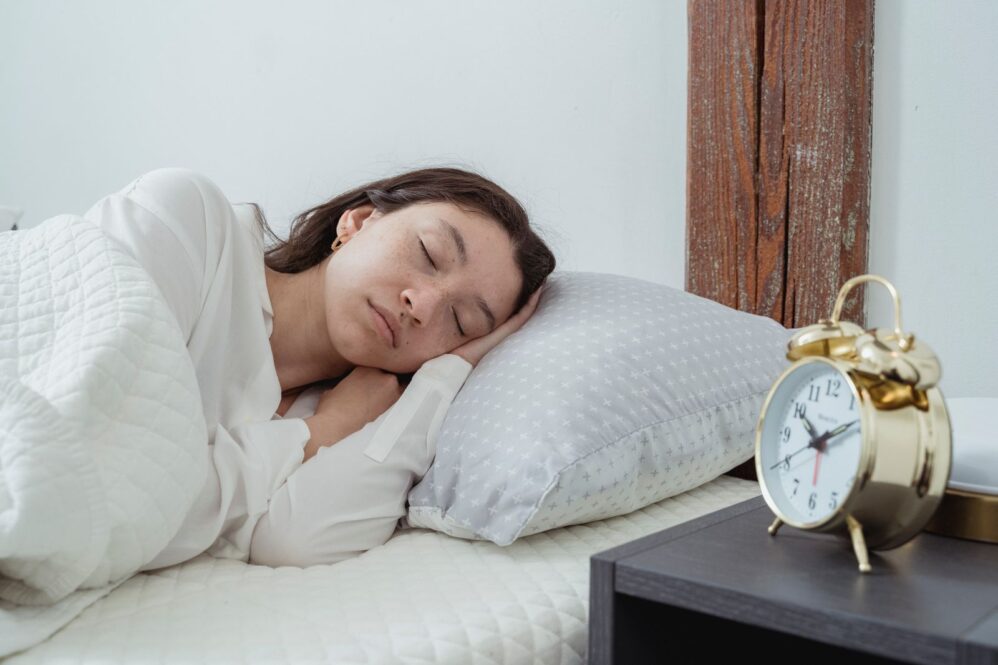
10 Surprising Connections Between Psoriasis and Sleep Health
Psoriasis is often recognized for its visible impact on the skin, but its influence extends far beyond what meets the eye. Recent research highlights a surprising connection between psoriasis severity and sleep health, revealing that the condition can significantly affect how we rest and rejuvenate. Understanding these connections can be crucial for those managing psoriasis, as well as for healthcare providers aiming to improve patient outcomes.
While many people focus on the visible symptoms of psoriasis, it’s essential to consider how this condition might be affecting sleep quality. The nuances of sleep disruption in psoriasis sufferers are often overlooked, yet they play a critical role in overall health and well-being. Here are 10 surprising connections between psoriasis and sleep health that everyone should be aware of.

10. Delayed Sleep Onset
Psoriasis can make it harder to fall asleep quickly, leaving sufferers lying awake longer than usual.
This delay in sleep onset is particularly pronounced in those with more severe forms of the disease, leading to less restorative sleep and greater fatigue the following day.

9. Daytime Fatigue
Many individuals with psoriasis report feeling unusually tired during the day, despite seemingly adequate sleep.
This daytime dysfunction can manifest as difficulty staying awake or maintaining enthusiasm, which are often misattributed to stress or lifestyle rather than psoriasis.

8. Impact on Sleep Quality Scores
Overall sleep quality scores might not reflect the true impact of psoriasis on sleep.
Two individuals with similar scores can have vastly different sleep experiences, highlighting the need for more nuanced assessments.
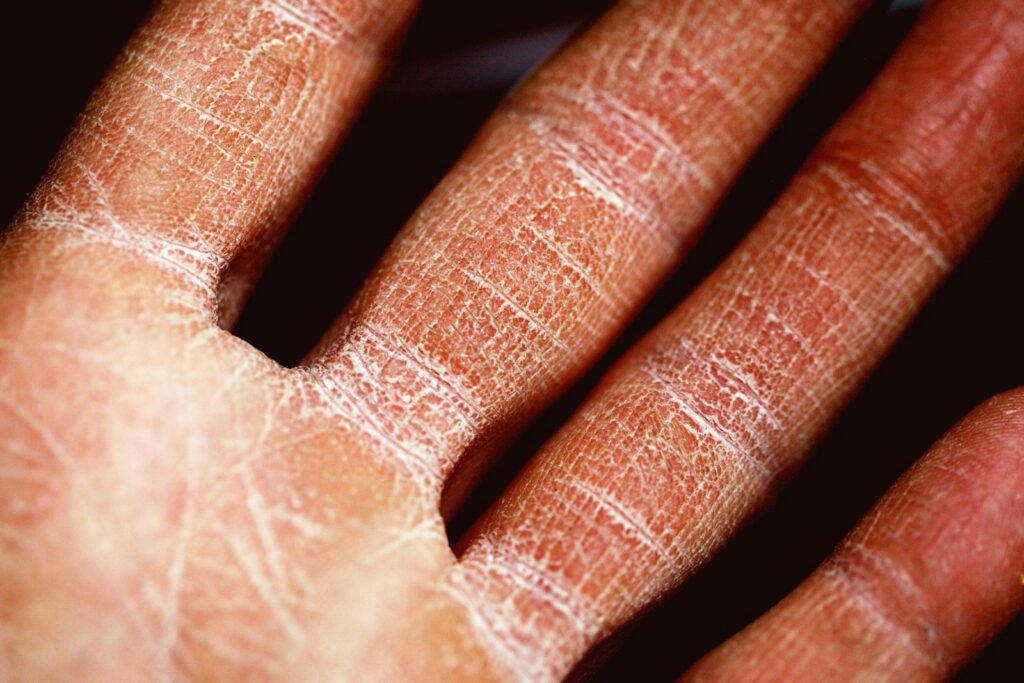
7. Influence of Disease Severity
The severity of psoriasis can directly correlate with how much it disrupts sleep.
As the disease becomes more active, the challenges of falling asleep and staying alert during the day become more pronounced.
6. Overlooked Aspects of Sleep
Routine sleep assessments often miss specific disruptions caused by psoriasis.
Focusing on how long it takes to fall asleep and next-day functioning can provide a more accurate picture of sleep health in psoriasis patients.
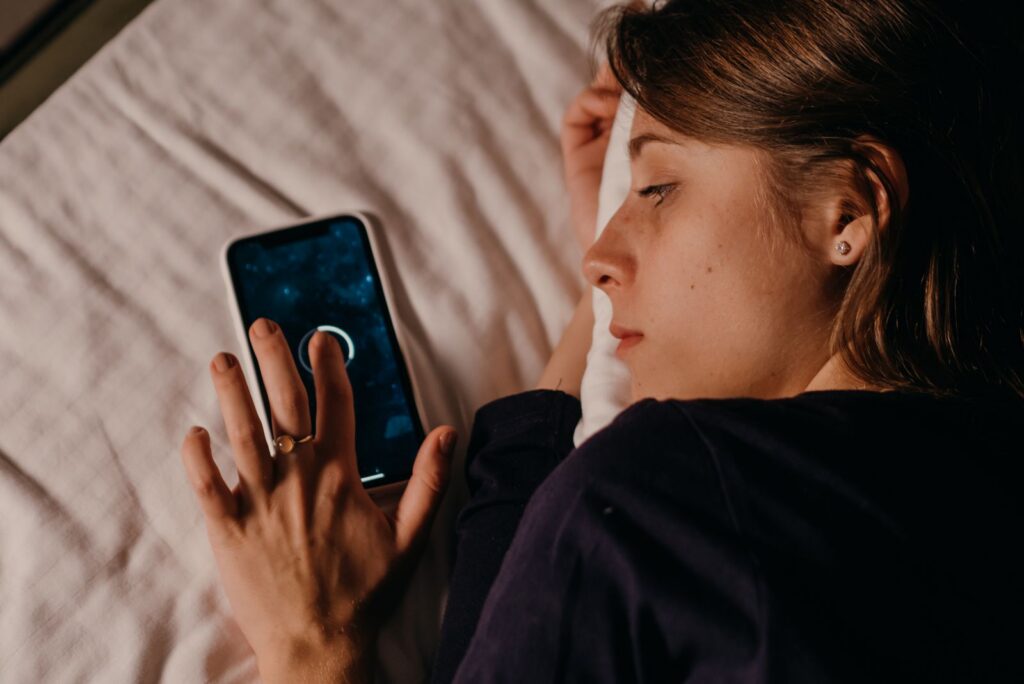
5. Importance of Personalized Sleep Metrics
Generic sleep metrics might not capture the full impact of psoriasis on sleep.
Patients should track specific issues like sleep onset delay and daytime fatigue to better manage their condition.

4. Role of Dermatological Care
Effective management of psoriasis can lead to better sleep outcomes.
Consulting with a dermatologist to keep psoriasis activity low may help improve sleep onset and reduce daytime dysfunction.

3. Misattribution of Symptoms
Symptoms like fatigue and lack of enthusiasm are often wrongly attributed to lifestyle factors.
Recognizing these as potential indicators of psoriasis severity can lead to more effective treatment strategies.

2. Snapshot Versus Long-term Studies
Current research provides a snapshot of the relationship between psoriasis and sleep.
Long-term studies are needed to fully understand the bidirectional influence of sleep and psoriasis severity.

1. Holistic Health Management
Addressing both psoriasis and sleep issues can lead to better overall health outcomes.
By focusing on both skin health and sleep quality, individuals can improve their quality of life and manage psoriasis more effectively.
Read More:
- 10 Daytime Habits to Improve Your Sleep and Reduce Stress
- 10 Reasons Not to Feel Guilty for Sleeping In on the Weekends
- Sleep Hygiene in the Digital Age: 10 Simple Tweaks That Actually Work
Ask us! What questions do you have about content, strategy, pop culture, lifestyle, wellness, history or more? We may use your question in an upcoming article!
Like MediaFeed’s content? Be sure to follow us.
This article originally appeared on Resourcebuzz and was syndicated by MediaFeed.co.