
10 of the world’s most popular religions
Roughly 76 percent of the planet identifies with some religious tradition, as of 2020. That number sounds tidy, but the actual landscape underneath it spans thousands of distinct faiths practiced across every continent on Earth.
The same handful of traditions account for the overwhelming majority of believers worldwide.
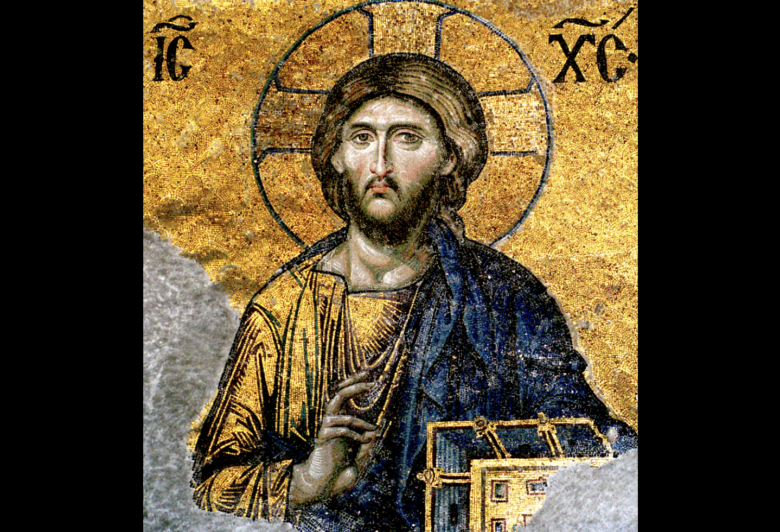
Christianity
2.4 billion followers. Nearly a third of humanity. Spread across the Americas, Europe, Oceania, and sub-Saharan Africa, roughly half identify as Catholic, 37 percent as Protestant, and 12 percent as Orthodox. Biggest Christian population anywhere? The United States, Brazil and Mexico trailing close behind.

Islam
Founded in 610 CE, when Muhammad received the first revelation — the Islamic calendar itself starts in 622 CE, the year of his migration to Medina. Nearly 2 billion adherents have followed since then, split primarily between Sunni and Shia traditions. Muslims hold majority status in 49 countries across the Middle East, North Africa, and South Asia. One projection worth noting is that Islam could overtake Christianity as the world’s largest religion sometime after 2070.

Hinduism
Rooted in Northern India roughly four thousand years ago. Never really left, either. Around 1.2 billion followers today, and roughly 95 percent still live in India. Genuinely one of the most concentrated major religions on this list.

Buddhism
No creator god. Non-theistic at its core, the Buddha himself favoring practical inquiry over dogma. Plenty of Western scholars call it a philosophy first, a religion second. Many Buddhist traditions still lean heavily on ritual, rebirth, karma, and devotional worship, though, all functioning religiously in every sense sociologists actually use. 500 million practitioners. Half in China alone. The rest spread across Mongolia, Thailand, Myanmar, Laos, Cambodia.
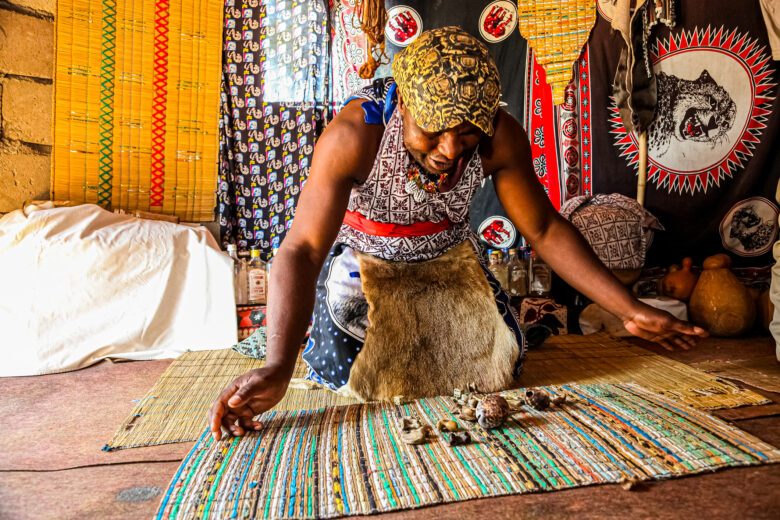
Folk and traditional religions
African traditional religions. Chinese folk religions. Native American religions. Australian Aboriginal traditions. More than 400 million people practice one of these. None of it fits one tidy box. That resistance to easy categorization is basically the point.
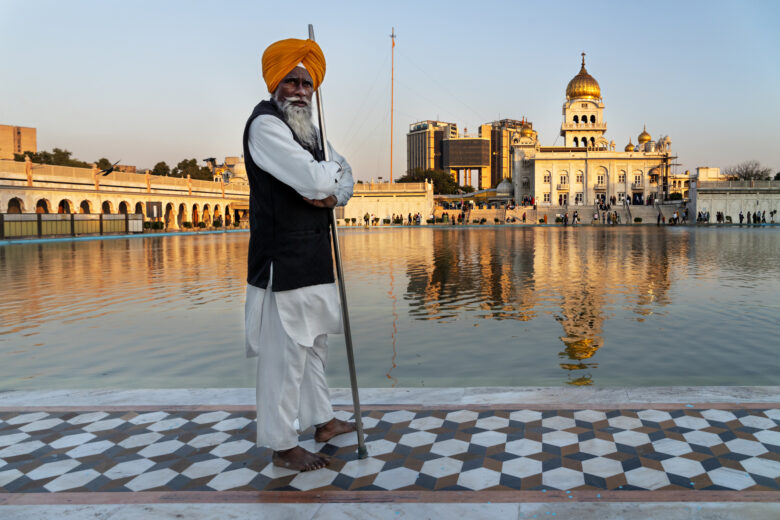
Sikhism
Guru Nanak founded this one in Punjab. Roughly 30 million followers now, a dharmic religion primarily practiced across India and North America. Small by raw numbers. Still major by any real measure.
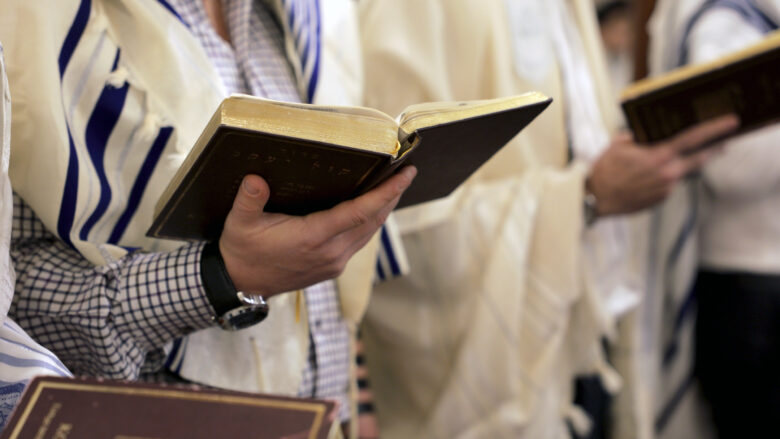
Judaism
Around 14-15 million adherents worldwide, concentrated mostly in Israel and the United States. It is one of the oldest continuously practiced monotheistic traditions still standing.
Image credit: it:Davizro / iStock
The Bahá’í Faith
19th-century Persia. That’s where it started. Low millions in total followers today, folded by researchers into a broader catch-all category of smaller world faiths, but the geographic spread tells a different story entirely. Communities recognized across more countries than almost anything else on this list.

Jainism
Nonviolence toward all living beings. That’s the whole foundation, and it hasn’t shifted in millennia. Jainism dates back to at least the 6th century BCE in India, and the vast majority of its few million followers still live there today, alongside diaspora communities in Kenya, the US, Canada, and the UK.

Shinto
Practiced almost entirely in Japan. So woven into national culture that separating religion from identity barely makes sense here. Nearly half of Japan’s population participates in Shinto rituals, even though most of them would also describe themselves as Buddhist in the same breath.

The bottom line
None of these traditions exist in isolation from each other, and plenty of people practice some blend of more than one. What the numbers actually show isn’t competition. It’s how beliefs get organized differently depending on where someone grows up.
Ask us! What questions do you have about content, strategy, pop culture, lifestyle, wellness, history or more? We may use your question in an upcoming article!
Related:
- Historical “discoveries” that turned out to be elaborate hoaxes
- Some of the most surprising record deals in music history
Like MediaFeed’s content? Be sure to follow us.
This article was syndicated by MediaFeed.co.