
10 Misrepresentations of Ancient Greece in Movies
Hollywood has long been captivated by the allure of ancient Greece, weaving tales of gods, warriors, and epic battles. While these films capture the imagination, they often sacrifice historical accuracy for dramatic effect. This has led to widespread misconceptions about what life was truly like in ancient Greece.
From the portrayal of politics and warfare to art and technology, many aspects of ancient Greek life have been distorted or oversimplified on the big screen. Here are ten ways movies have misrepresented this fascinating civilization.

10. Greece Was Not a Unified Nation
Films often depict ancient Greece as a single, unified nation, which is far from the truth.
In reality, ancient Greece consisted of multiple city-states, each with its own government and identity. These city-states, such as Athens and Sparta, were frequently in conflict with one another.
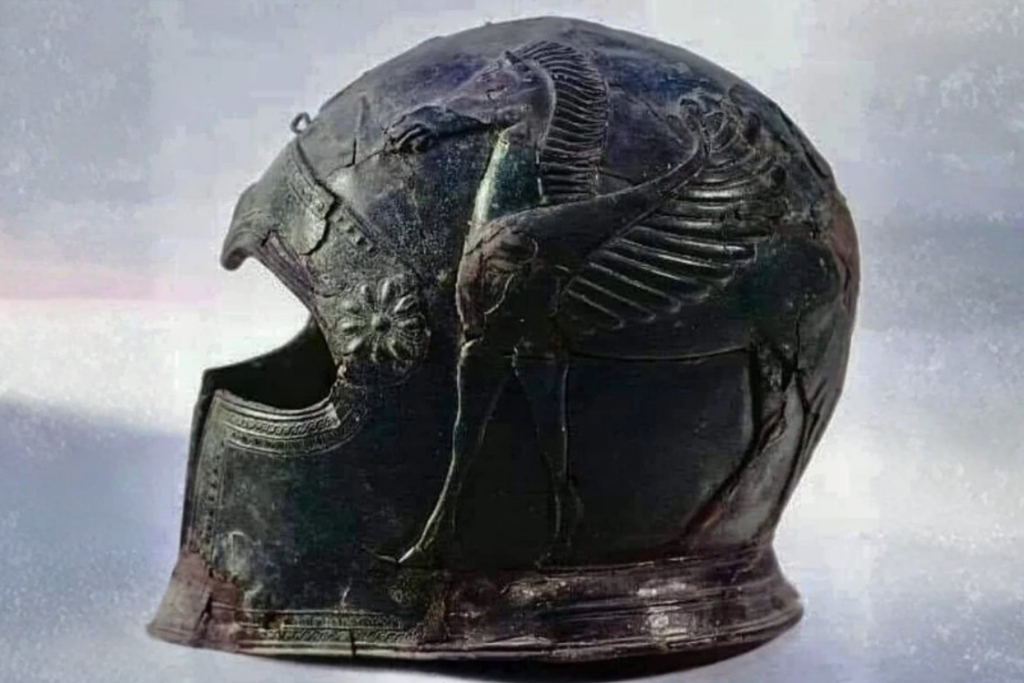
9. Their Armor Was Not Polished Bronze
Movies often show Greek warriors in uniform sets of flawless, gleaming bronze armor, but real equipment was far more varied.
Historical records indicate that Greek armor was made from a combination of linen and bronze, designed for practicality rather than appearance. The polished look is more Hollywood than history.
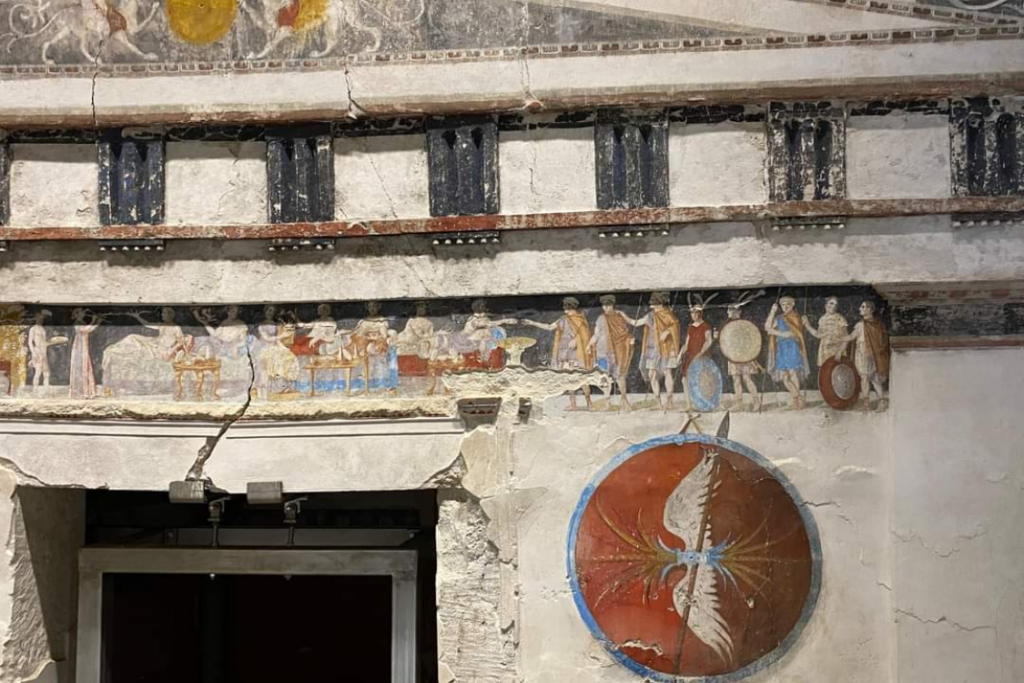
8. Statues and Temples Were Colorful
The stark white statues and temples seen in movies are a misrepresentation of ancient Greek art.
In reality, these structures were vibrantly painted, with colors that have faded over time. This colorful approach reflected the Greeks’ maximalist style in art and architecture.

7. Ancient Greece Was Technologically Advanced
Films often overlook the technological prowess of ancient Greece, portraying it as less sophisticated than it was.
The Greeks were pioneers in various fields, boasting inventions like complex water systems, mechanical devices, astronomical instruments, and military machinery. Their innovations were far ahead of their time.
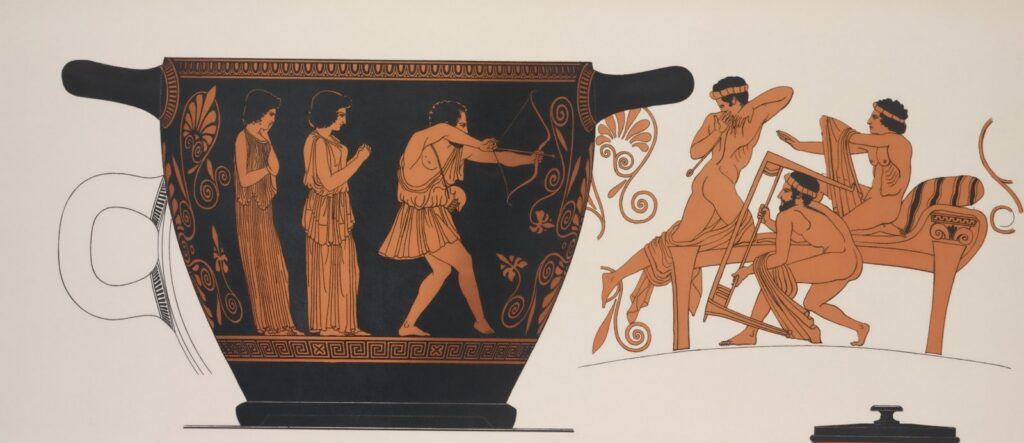
6. Greek Society Was Not Exclusively Male-Dominated
Movies often portray ancient Greece as a male-dominated society, sidelining the roles of women.
While Greek society was overwhelmingly patriarchal, women held significant roles in religion and domestic life, and some city-states like Sparta allowed women more freedoms than others.
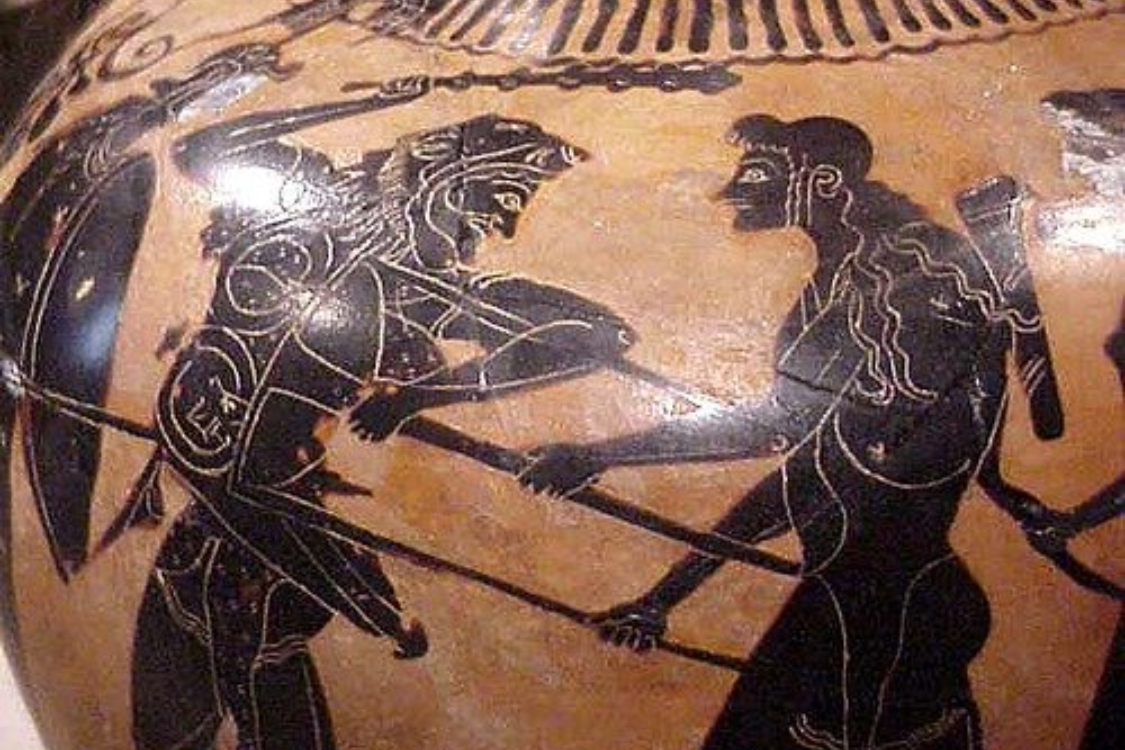
5. Mythology and History Are Blended
Films often blur the lines between Greek mythology and historical events.
This blending creates a skewed perception of reality, where mythical heroes and gods are treated as historical figures, complicating the understanding of Greek history.
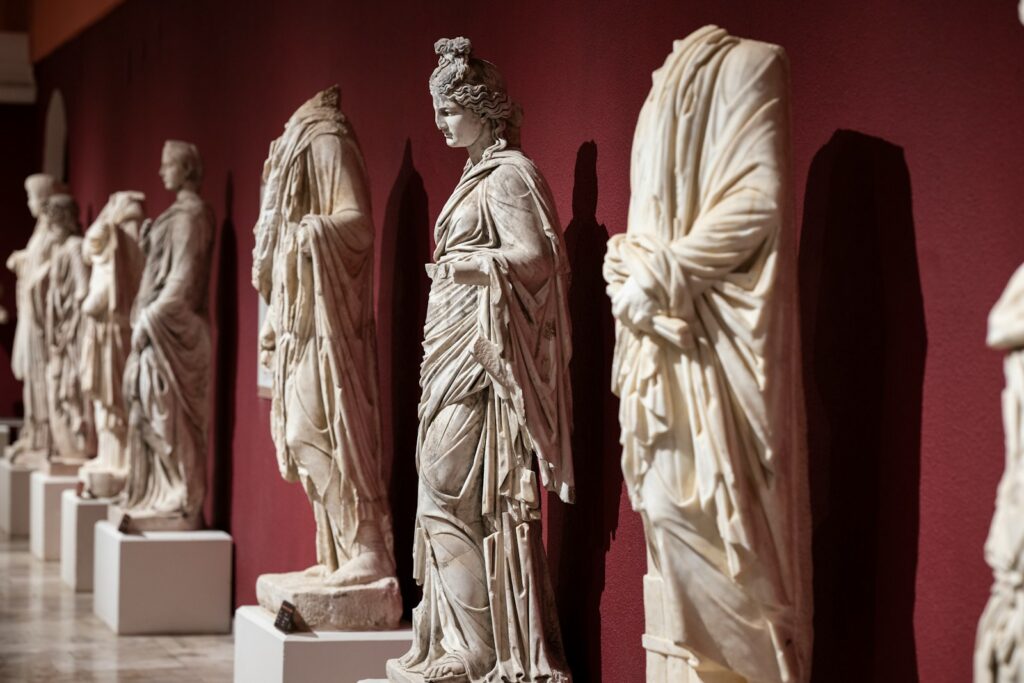
4. The Depiction of Greek Gods Is Simplified
Movies often present Greek gods in a simplified, monolithic manner.
The complexity and diversity of the Greek pantheon are often lost, with gods reduced to caricatures rather than powerful deities with intricate stories and personalities.

3. Greek Philosophy Is Oversimplified
Films tend to oversimplify Greek philosophy, reducing it to a few famous quotes or ideas.
The rich and varied philosophical traditions of ancient Greece are often underrepresented, missing the depth and influence they had on Western thought.
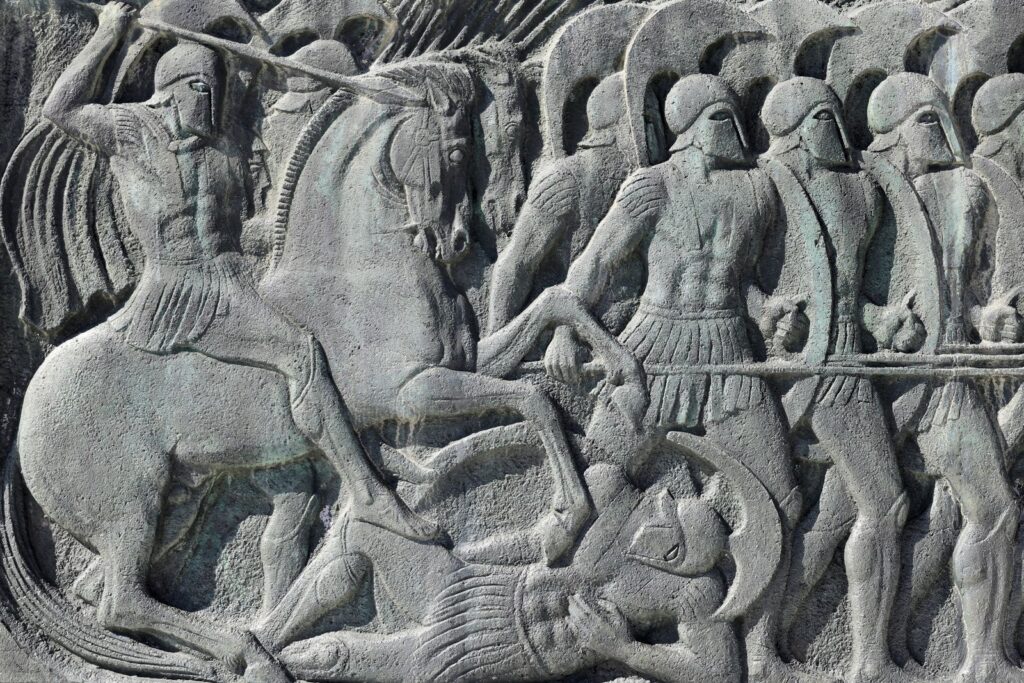
2. Warfare Was Not Always Glorious
Movies often glamorize ancient Greek warfare, portraying it as noble and heroic.
In reality, warfare was brutal and devastating, with significant losses and hardships for soldiers and civilians alike. The glorified portrayal overlooks the harsh realities of battle.
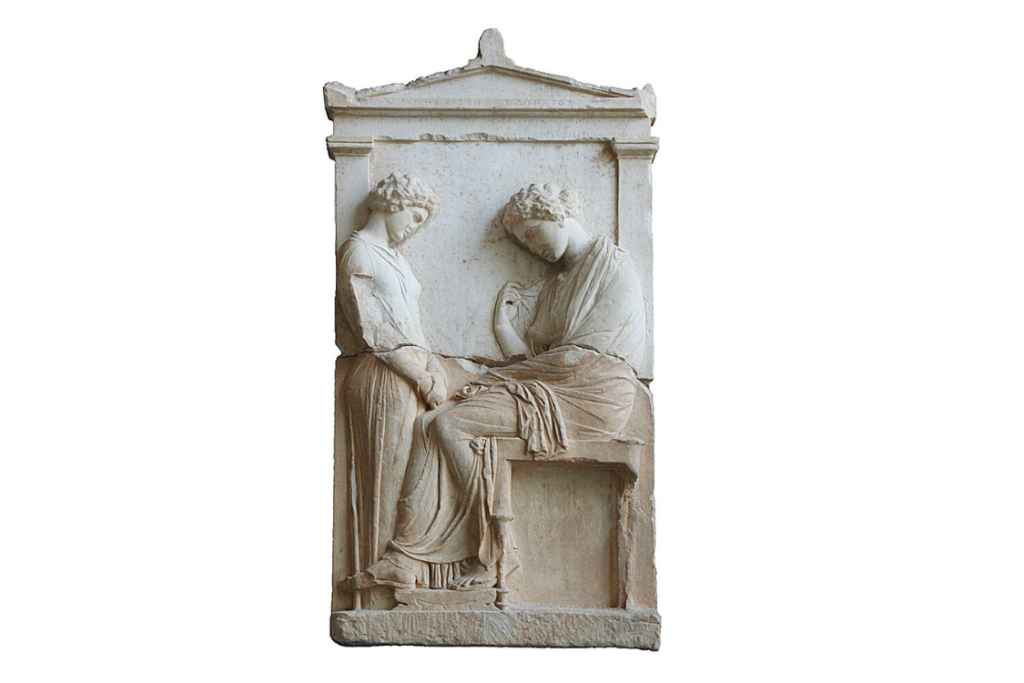
1. The Role of Slavery Is Underplayed
Films often downplay or ignore the role of slavery in ancient Greek society.
Slavery was a significant aspect of many Greek societies, integral to their economy and daily operations. This aspect is often glossed over, leading to an incomplete picture of ancient Greek society.
Read More:
- 10 Greek Mythology Words You Use Every Day
- 9 Intriguing Mysteries About Homer’s Existence
- 9 Things You Didn’t Know About the Trojan Horse
Ask us! What questions do you have about content, strategy, pop culture, lifestyle, wellness, history or more? We may use your question in an upcoming article!
Like MediaFeed’s content? Be sure to follow us.
This article originally appeared on Resourcebuzz and was syndicated by MediaFeed.co.